If you have ever walked Silver Lake and felt like every few blocks tell a different design story, you are not imagining it. This neighborhood holds one of Los Angeles’ most layered mixes of historic and modern residential architecture, shaped by hillside streets, stairways, and decades of design experimentation. If you are buying, selling, or simply trying to understand what gives a home its appeal here, knowing the main architectural styles can help you read value more clearly. Let’s dive in.
Why Silver Lake Architecture Stands Out
Silver Lake is not defined by just one housing type. SurveyLA identifies residential properties as the majority of the plan area and notes a Silver Lake historic district with 1,171 properties that is significant for Period Revival and Mid-Century Modern architecture.
The same survey also describes Silver Lake as one of Los Angeles’ most important concentrations of Early Modern, International Style, and Mid-Century Modern residences. That helps explain why a single walk can include a 1920s revival house, a compact Craftsman bungalow, a glassy hillside modern, and newer contemporary infill.
Topography plays a big role in that identity. The Silver Lake Community Plan emphasizes steep hillsides, public staircases, and the need for development to stay compatible with existing terrain and neighborhood character.
Spanish and Mediterranean Revival Homes
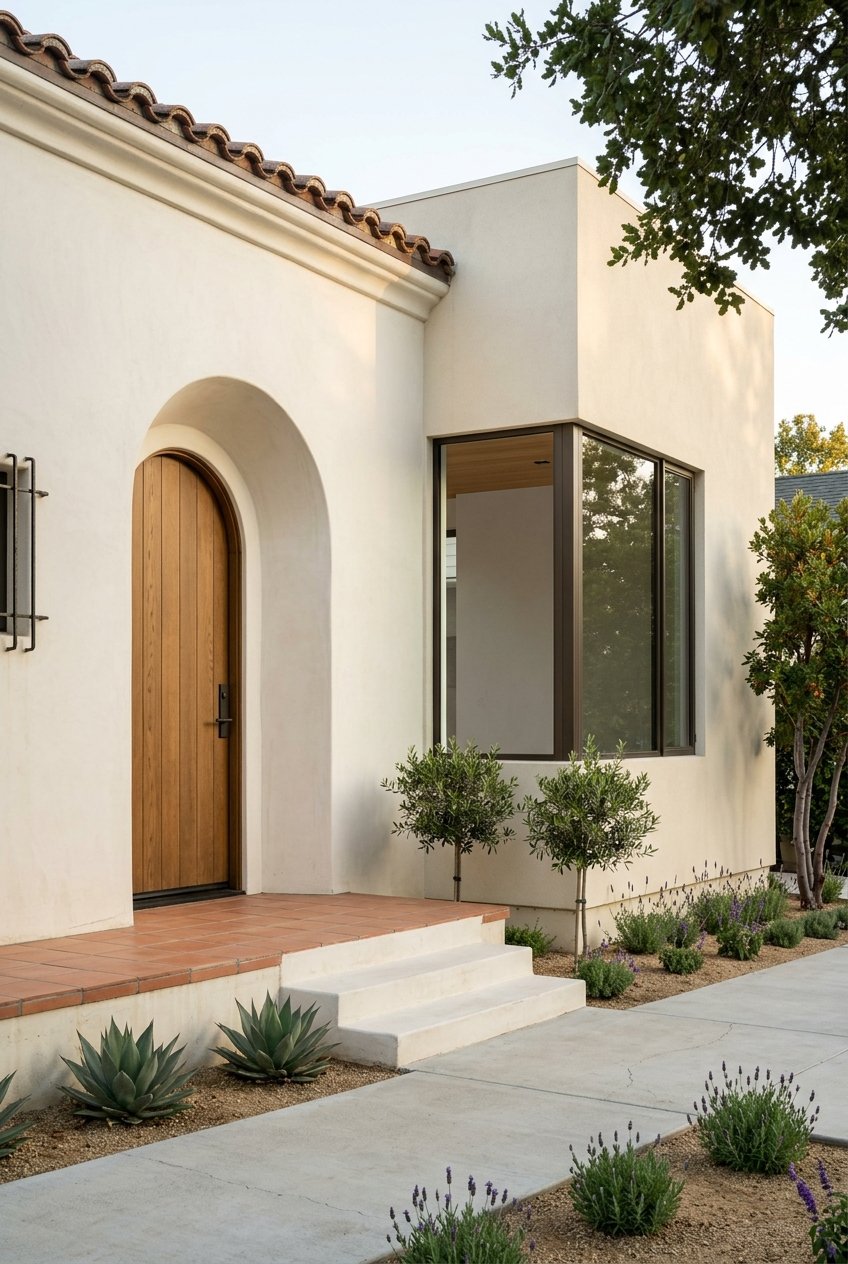
For many buyers, Silver Lake’s romantic side starts with Spanish Colonial Revival and Mediterranean Revival homes. These houses became especially common in Los Angeles during the 1920s, and they remain some of the area’s most recognizable character properties.
Key features to look for
Spanish and Mediterranean Revival homes often include:
- Stucco or plaster walls
- Low-sloped red tile roofs
- Arched openings
- Patios and courtyards
- Loggias or balconies
- Wrought iron details or window grilles
These homes usually feel more layered than later modern houses. Instead of one large open space, you often get a room-by-room layout with outdoor areas doing a lot of the work to connect the home.
Why buyers respond to them
The appeal is easy to understand. These homes offer texture, warmth, and a strong sense of period character that many design-minded buyers value.
In Silver Lake, original details often matter. Intact stucco, roof tile, ironwork, and the home’s overall massing can shape how authentic the property feels, which is often part of its long-term appeal.
What sellers should pay attention to
If you are selling a Spanish or Mediterranean Revival home, the strongest presentation usually starts with clarity about what is original and what has been updated. Buyers who love architecture often notice whether the details feel preserved or replaced.
That does not mean a house must be untouched. It means updates tend to land better when they respect the scale, materials, and overall composition that define the style.
Craftsman and Bungalow Homes
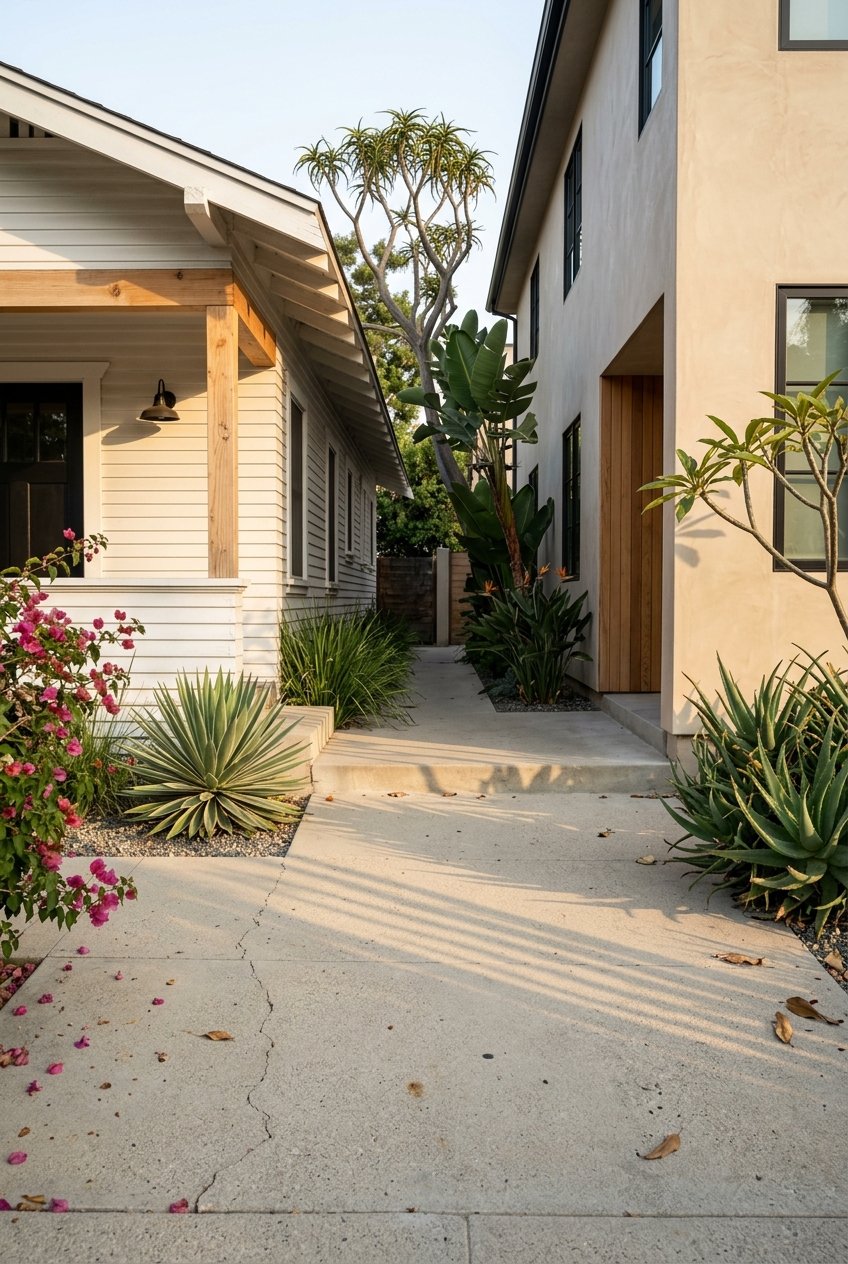
Silver Lake also includes earlier Arts and Crafts era homes, including Craftsman houses and bungalow variants. Survey material notes related types such as the airplane bungalow, which adds another layer to the neighborhood’s architectural mix.
Key features to look for
Craftsman and bungalow homes often include:
- One- to one-and-a-half-story massing
- Low-pitched gabled roofs
- Broad front porches
- Exposed rafter tails
- Shingle or clapboard exteriors
- Grouped windows
These homes tend to feel compact and grounded. The layout usually creates a strong sequence from the front porch to the living room, rather than the open-plan flow you see in many later houses.
Why the style still resonates
Craftsman homes often win people over through scale and detail. Original woodwork, built-ins, and porch proportions can make even a smaller home feel intentional and inviting.
In a neighborhood like Silver Lake, that human scale matters. Homes that keep their roofline and porch character often feel more architecturally coherent than ones that have been expanded without much regard for proportion.
Silver Lake’s Modernist Identity
If there is one architectural category that gives Silver Lake its broader design reputation, it is modernism. SurveyLA says the neighborhood contains one of Los Angeles’ most important concentrations of Early Modern, International Style, and Mid-Century Modern residences.
The area includes notable examples tied to Richard Neutra, Rudolph Schindler, Raphael Soriano, Harwell Hamilton Harris, John Lautner, and A.E. Morris. The Community Plan specifically notes that the largest collection of significant modernist-era homes is around the Silver Lake Reservoir.
Key modernist features
Modernist and Mid-Century Modern homes in Silver Lake often include:
- Flat roofs
- Deep overhangs
- Open floor plans
- Extensive glass
- Strong indoor/outdoor flow
- Concrete slab foundations
- Carports
- Steel, concrete, and redwood materials
These are not just visual choices. In Silver Lake, modern homes often use these features to respond directly to slope, light, privacy, and views.
How hillside siting shapes the floor plan
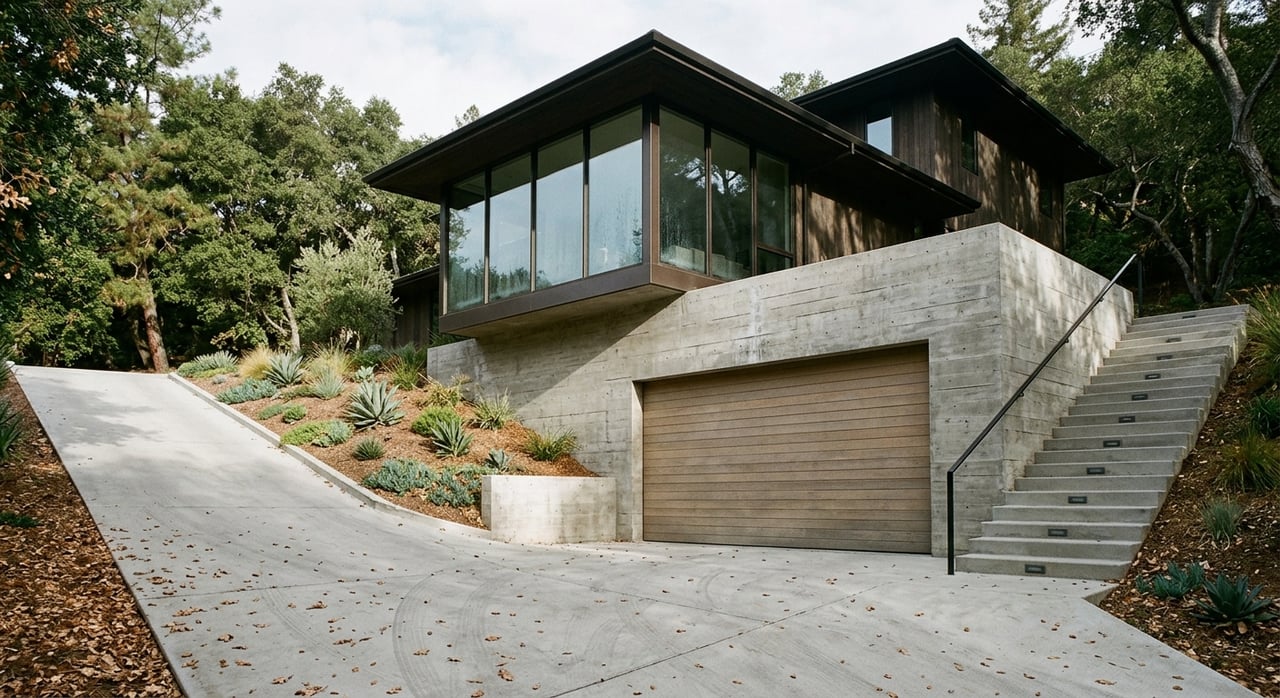
On flatter lots, a modern house may read as horizontal and open. On Silver Lake’s hillsides, those same design ideas often become stepped, split-level, or terraced compositions that follow the site.
That approach is visible in local modern landmarks. The result for you as a buyer is often a home that feels closely tied to its setting, with living areas oriented toward daylight, views, and outdoor access.
Livability and upkeep
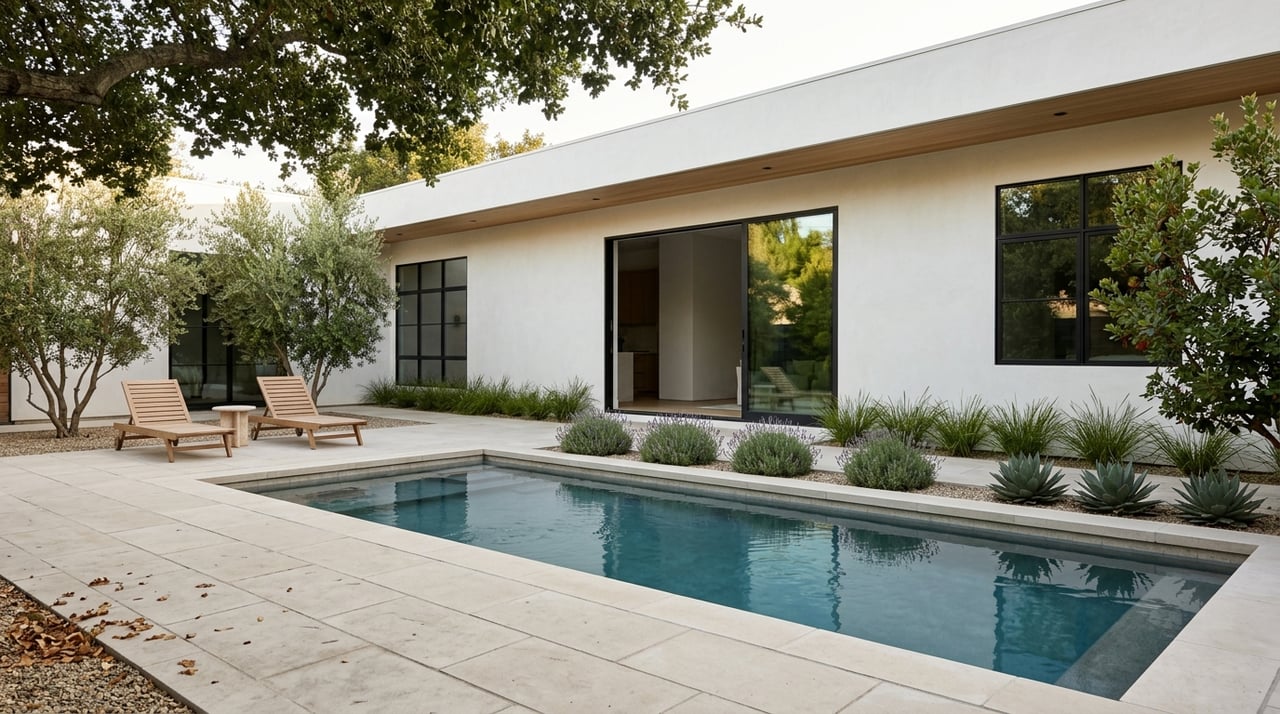
Modern homes can offer a special quality of life. Daylight, openness, and the connection between inside and outside are major reasons buyers are drawn to them.
At the same time, these houses usually ask for thoughtful stewardship. Glass-heavy designs, roof conditions, hillside drainage, and sensitive additions all deserve careful attention, especially when the home’s original massing and site relationship are part of its architectural value.
Contemporary Homes on Silver Lake Hillsides
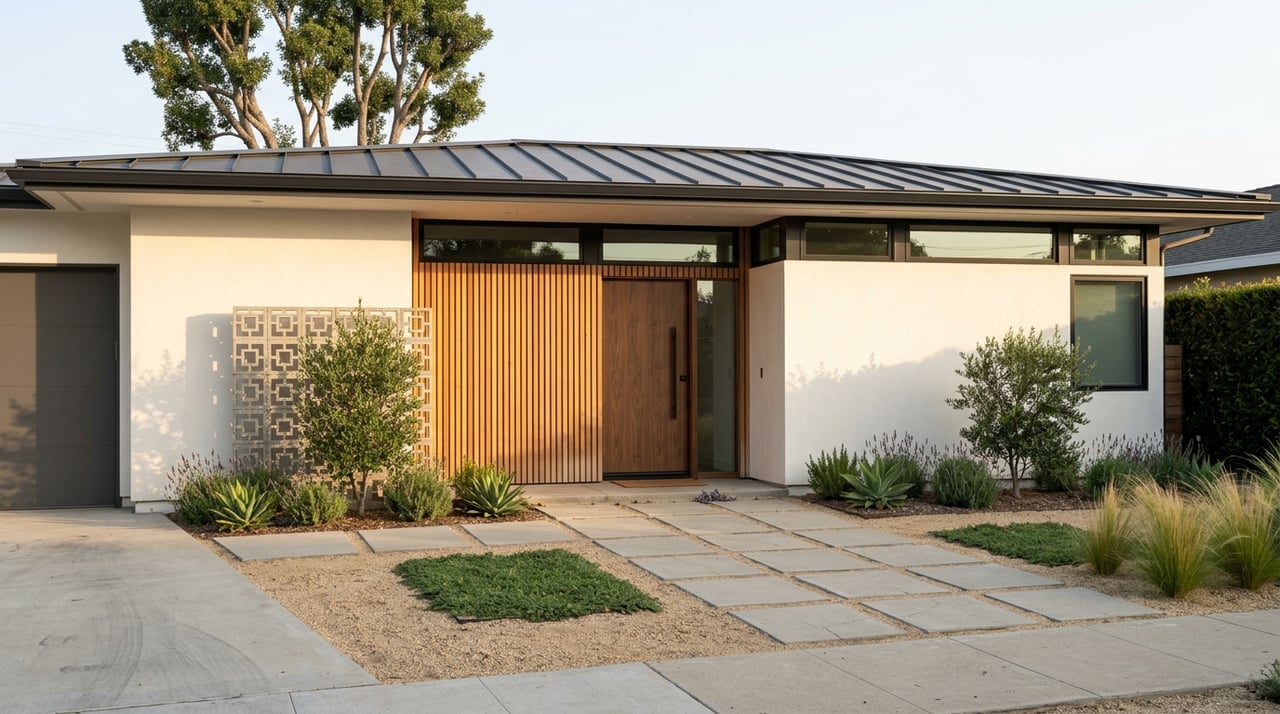
Newer homes in Silver Lake are often contemporary rather than strictly historic in style. The strongest examples usually do not try to copy older homes exactly.
Instead, they respond to the same hillside conditions that shaped earlier architecture. That often means stacked levels, terraces, restrained material palettes, and a balance between openness and privacy.
What makes newer design feel right here
In Silver Lake, contemporary design tends to resonate more when it feels site-aware. Homes that follow the slope, manage views carefully, and use materials in a disciplined way often feel more connected to the neighborhood than generic infill.
That matters because the Community Plan calls for infill to incorporate significant modernist features when possible. In practical terms, buyers often respond to newer homes that feel architecturally grounded in Silver Lake rather than dropped in from somewhere else.
What Style Means for Resale
In Silver Lake, architecture is not just aesthetic. It often affects how a home is perceived, marketed, and compared.
For sellers, the most compelling story is usually a focused one. A preserved period home, a careful modernist restoration, or a strong contemporary hillside design can each perform well when the property’s identity is clear.
For buyers, style helps frame what to inspect and what to protect. In this neighborhood, siting, proportions, materials, and architectural integrity often matter as much as square footage.
Buyer checklist for architectural homes
If you are evaluating a Silver Lake home, it helps to look beyond finishes and ask a few style-specific questions:
- Is the roof condition consistent with the age and design of the home?
- Have windows been replaced, and do the replacements fit the architecture?
- Does stair access affect daily use, parking, or entry?
- How does the property handle drainage on the hillside?
- Do additions preserve original proportions and massing?
Those details can shape both livability and future resale. They also help you understand whether a home’s character has been preserved or diluted over time.
Seller checklist for stronger positioning
If you are preparing to sell, consider how the home’s architecture is going to be understood by buyers. A clear presentation often includes:
- Calling out original style elements
- Showing how updates respect the home’s design
- Explaining hillside features in plain language
- Highlighting light, views, and indoor/outdoor flow where relevant
- Framing the property as a cohesive architectural story
That kind of positioning tends to matter in Silver Lake, where many buyers are looking for more than just a house. They are looking for a home with design logic, character, and a strong connection to its setting.
Historic Context and Exterior Changes
Some Silver Lake properties sit in or near historic resources or protected areas. Los Angeles City Planning notes that local historic districts require new projects to complement historic character.
If you are buying or planning future work, that is worth understanding early. Exterior changes may be more constrained, particularly when a property’s design, setting, materials, or neighborhood context contribute to its significance.
Why Local Guidance Matters
Silver Lake is one of those neighborhoods where architectural value can hide in plain sight. Two homes with similar square footage may read very differently once you account for siting, integrity, materials, and how well the house fits its style.
That is where an architecture-focused lens helps. If you can understand not just what looks good, but why a home works and what should be preserved, you are in a better position to make smart decisions whether you are buying or selling.
If you are thinking about buying or selling a design-forward home in Silver Lake, John Iglar can help you evaluate the architecture, the tradeoffs, and the market positioning with a clear, strategic approach.
FAQs
What architectural styles are most common in Silver Lake homes?
- Silver Lake is especially known for Period Revival homes, including Spanish and Mediterranean Revival, along with Early Modern, International Style, and Mid-Century Modern residences. The area also includes Craftsman and bungalow homes.
Why are Mid-Century Modern homes important in Silver Lake?
- SurveyLA identifies Silver Lake as one of Los Angeles’ most important concentrations of Early Modern, International Style, and Mid-Century Modern homes, with many notable architect-designed residences in the area.
What defines a Spanish Revival home in Silver Lake?
- Spanish Revival homes in Silver Lake often feature stucco walls, red tile roofs, arches, courtyards, balconies, and wrought iron details, with a more layered floor plan than later modern homes.
What should buyers inspect in a Silver Lake hillside home?
- Buyers should pay close attention to roof condition, window replacements, stair access, drainage, and whether additions preserve the home’s original proportions and architectural character.
Do exterior changes face limits in Silver Lake historic areas?
- Yes. Los Angeles City Planning notes that local historic districts require new projects to complement historic character, so exterior changes may be more limited for some properties in or near protected areas.
How should sellers market an architectural home in Silver Lake?
- Sellers usually benefit from telling a clear architectural story, whether that means preserved period character, a thoughtful modernist restoration, or a well-executed contemporary response to the hillside site.