If you are moving up on the Westside, Cheviot Hills tends to come up for one simple reason: it offers detached homes, meaningful lot variation, and strong access to major job centers in a part of Los Angeles where those things can be hard to find. You may be weighing more space, a better lot, or a home with stronger long-term upside, while also trying to avoid overpaying for the wrong property. This guide will help you understand how the Cheviot Hills micro market works, what really drives value here, and where move-up buyers need to stay disciplined. Let’s dive in.
Why Cheviot Hills Stands Out
Cheviot Hills is a low-density Westside neighborhood with about 1,400 single-family homes. Much of the housing stock dates from the 1920s through the 1940s, which gives the area a different feel from neighborhoods made up mostly of newer construction or attached housing.
The neighborhood’s setting is a major part of its appeal. The City’s historic-resources survey describes the planning district as south of 20th Century Fox Studios, southwest of Century City, and next to the Cheviot Hills Recreation Center and Hillcrest Country Club. Curving streets, mature trees, and view-oriented topography all shape how the neighborhood feels block to block.
For move-up buyers, that combination matters. You are not just buying square footage. You are often buying a more flexible piece of land, a detached-home lifestyle, and a location with convenient access to Westside employment hubs.
Job Access Supports Demand
Cheviot Hills benefits from its position near major employment centers. Century City is described by the Century City BID as a business hub with about 2,500 businesses and 50,000 employees, and nearby Culver City continues to be tied to media, creative technology, and production employment.
That proximity helps explain why the neighborhood stays relevant for buyers who want to reduce commute friction while upgrading their home. If you work near Century City, Culver City, Fox, or the broader Westside business corridor, Cheviot Hills can offer a practical lifestyle advantage along with a residential feel.
This is one reason the market tends to stay selective rather than soft. Buyers are often paying for a location that supports both daily convenience and long-term desirability.
Housing Styles Are Part of the Story
One of the most important things to understand is that Cheviot Hills is not a one-style neighborhood. The City’s survey identifies American Colonial Revival, Ranch, French Norman Revival, Mediterranean Revival, Tudor Revival, and some Spanish Colonial Revival homes within the planning district.
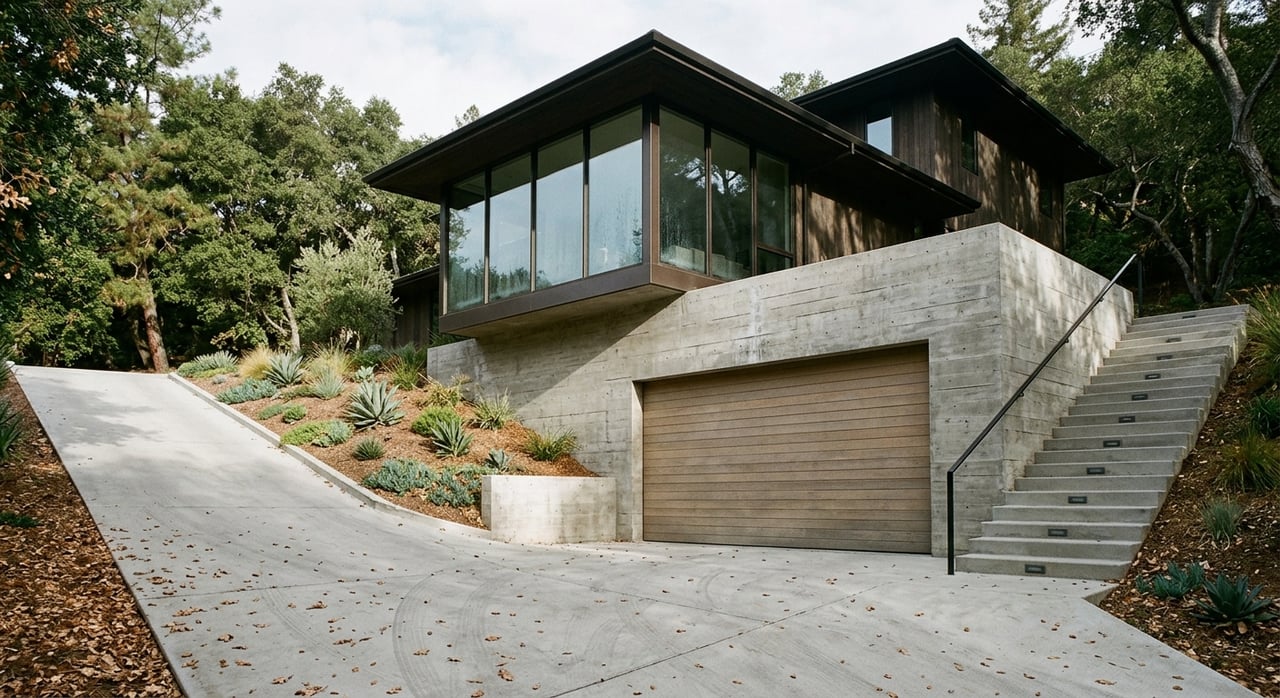
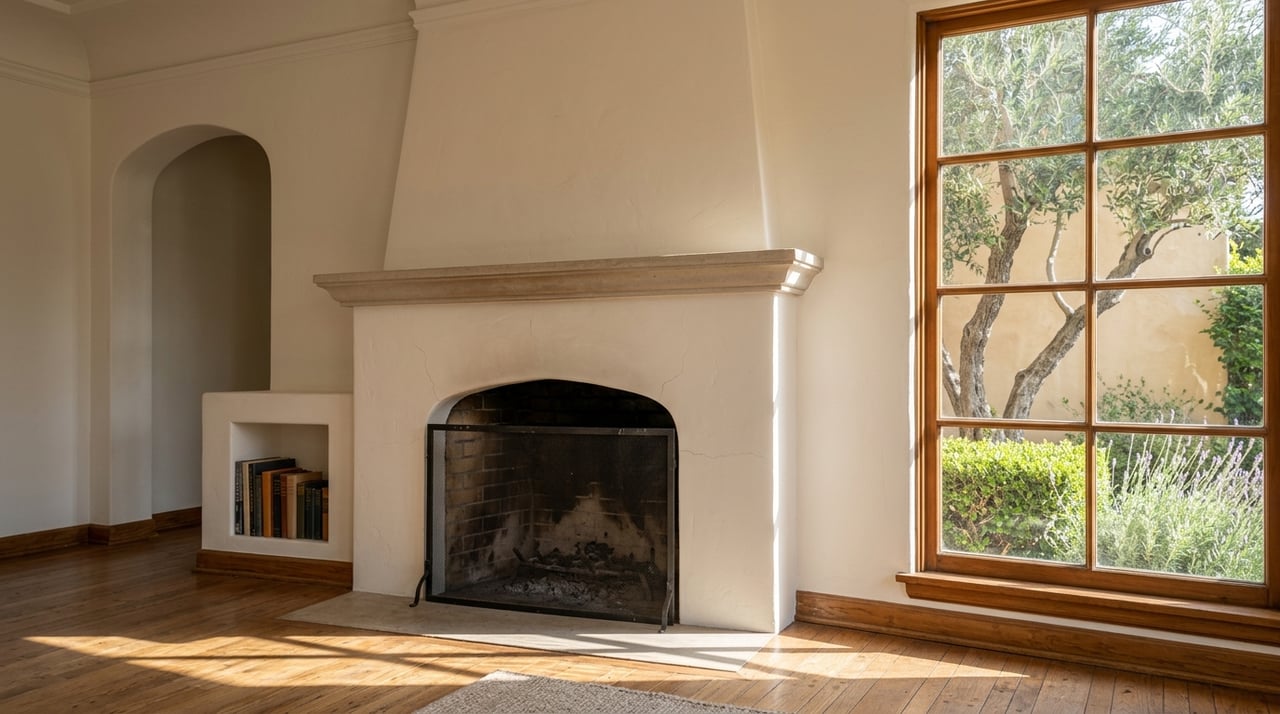
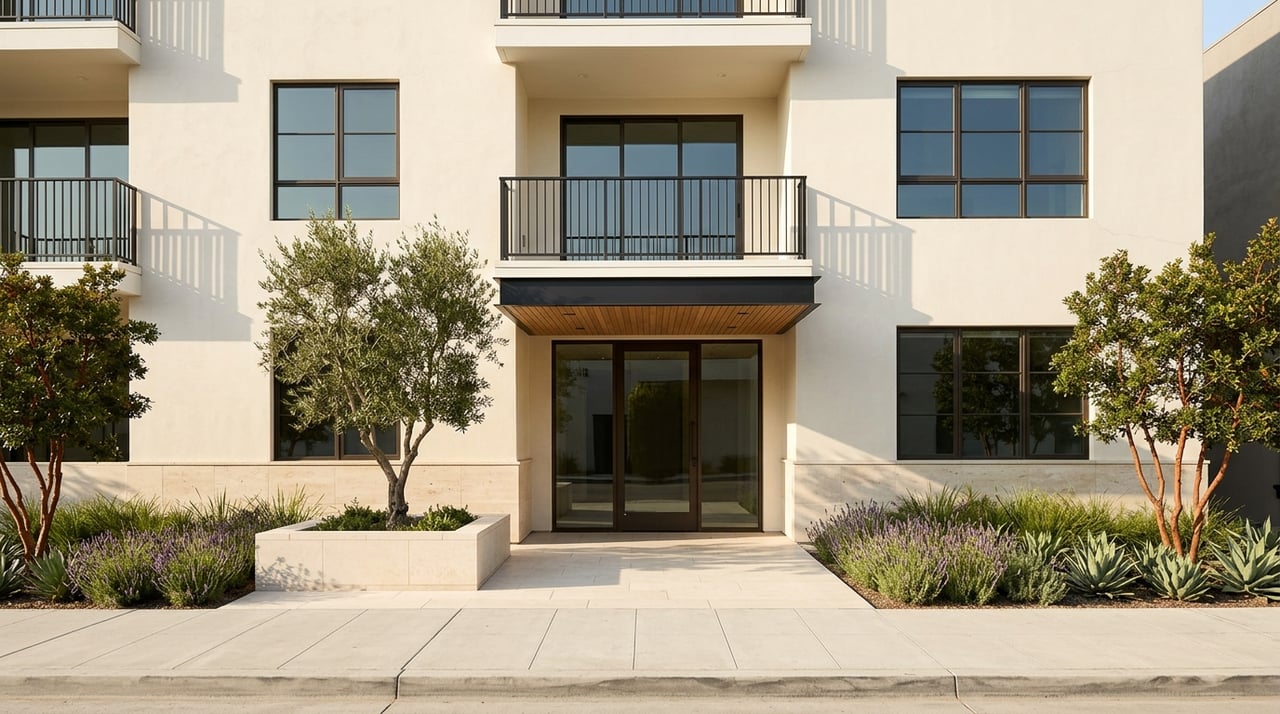
That variety is meaningful if you care about architecture and design. Some buyers are drawn to original character homes from the 1920s, while others prefer mid-century ranch layouts or newer contemporary builds. In Cheviot Hills, those options can exist within the same broader neighborhood.
Monte Mar Vista is one of the area’s core subdivisions and is described as a 1920s-era section with Tudor, American Colonial Revival, and Spanish Colonial Revival homes on moderate to large lots. There is also a separate mid-century pocket, the California Country Club Planning District, known for ranch-style homes, wide streets, and larger lots tied to a 1952 to 1955 period of significance.
For a move-up buyer, this means your search should go beyond bedroom count and list price. You also want to think about plan efficiency, natural light, lot layout, privacy, and whether the architecture fits how you want to live.
Lot Size Often Drives the Upgrade
In Cheviot Hills, lot size can be one of the biggest value separators. A city document cited in a local planning debate says 50% of the lots are under 7,000 square feet, while current public listing examples show properties around 6,532 square feet, 9,232 square feet, 12,000-plus square feet, and 12,491 square feet.
That range creates a very real pricing ladder. Some homes sit on smaller original parcels, while others offer larger usable lots, view lots, or even double-lot potential at the top end of the market. For many move-up buyers, that land utility is the actual reason to stretch.
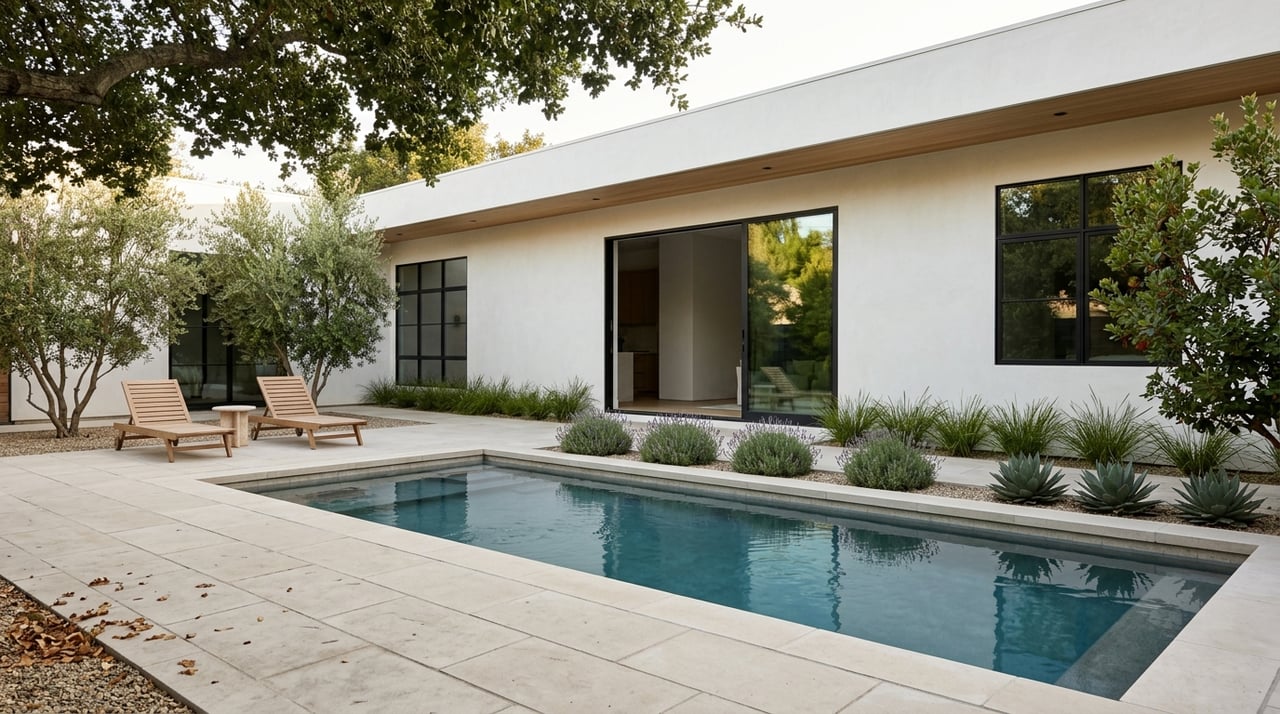
When you compare two homes at similar interior size, the lot may be what truly changes the lifestyle. A flatter yard, better setback, more privacy, room for outdoor use, or stronger future flexibility can matter just as much as the floor plan itself.
Rebuilds and Renovations Shape Inventory
The neighborhood has a mix of preserved character homes, altered originals, and newer construction. The City’s survey notes that many original houses have been altered or replaced, and that the district does not appear eligible for historic-district listing even though it retains special planning significance.
In practical terms, that helps explain why teardown and rebuild activity remains part of the local market. You may see a classic older home next to a more recently reimagined property, or a contemporary infill home alongside older architectural styles.
This matters for buyers because “move-up” can mean very different things here. For one buyer, it may mean finding a turnkey renovation. For another, it may mean buying a strong lot with a house that can be improved over time. The right choice depends on your timeline, budget, and comfort with future projects.
What Prices Look Like Right Now
Recent public market snapshots suggest a high-priced but measured market. Redfin reports a median sale price of $3.0 million over the three months ending March 2026, up 5.3% year over year, with a median sale price per square foot of $1.24K and a median of 51 days on market.
That same snapshot shows 9 homes sold versus 21 a year earlier. Redfin also describes the neighborhood as somewhat competitive, with average homes selling about 1% below list and hot homes about 3% above list.
Other public snapshots show the market through a slightly different lens. Realtor.com reports 20 active listings, a median sale price of $3.99 million, 32 days on market, a median price per square foot of about $1.1K, and a 100% sales-to-list ratio. Zillow’s home value index is $2.44 million as of May 31, 2026, up 1.7% over the past year, though that figure reflects estimated values across the neighborhood rather than only closed sales.
The takeaway is simple: Cheviot Hills is expensive, but it does not read as uniformly overheated. Buyers still need to move decisively on the right property, yet pricing, condition, and lot quality continue to matter.
The Real Pricing Ladder
A single median price only tells part of the story. Public sales examples make the neighborhood’s pricing ladder clearer.
In the low-$2 million range, examples include 10337 Dunleer Dr at $2.405 million in November 2025 and 10436 Cheviot Dr at $2.5 million on a 6,532 square foot lot. In the core move-up range, examples include 2770 Club Dr at $3.151 million on a 9,232 square foot lot, 10021 Cheviot Dr at $4.183 million on a 0.25-acre lot, and 2700 Monte Mar Ter at $5.027 million on a 7,291 square foot lot.
At the upper end, 2856 Forrester Dr sold for $8.5 million in May 2025, while 2838 Medill Pl was marketed as a 12,000-plus square foot view lot and described as the largest view lot currently available in Cheviot Hills. These examples show how sharply values can separate based on lot utility, views, condition, and overall product quality.
For move-up buyers, this is a useful reminder that Cheviot Hills is not a market where price per square foot tells the whole story. Land, topography, orientation, and improvement quality can all push value in a major way.
What Move-Up Buyers Should Prioritize
If you are moving from a condo or smaller home, it helps to define your actual upgrade before you start chasing listings. In Cheviot Hills, the best purchase is not always the biggest house. It is usually the home that improves your daily living while still making sense as a long-term asset.
Focus on these priorities first:
- Lot utility: Look at usable outdoor space, slope, setbacks, and overall flexibility.
- Location within the neighborhood: Street feel, topography, and views can materially affect value.
- Condition and renovation quality: Updated does not always mean well executed.
- Architecture and layout: The right floor plan can live larger than a technically bigger house.
- Future optionality: Consider whether the property supports your needs now and later.
This is where a measured, property-specific approach matters. A design-forward house can still have tradeoffs, and a large lot can still come with layout compromises. You want to understand both clearly before you stretch on price.
How To Compete Without Overpaying
The current market structure suggests that the best homes can still draw strong interest, while the broader market remains selective. That means you should expect real competition for the best lots and best-renovated homes, not necessarily for every listing.
A disciplined approach usually looks like this:
- Set your non-negotiables early. Decide whether lot size, architecture, or turnkey condition matters most.
- Study the micro pockets. Cheviot Hills has meaningful variation by street, subdivision, and topography.
- Compare land, not just living area. Two homes with similar square footage can offer very different value.
- Review renovation quality carefully. Finishes are easy to see, but layout logic and building decisions matter more.
- Move fast on the right fit. If a home checks the right boxes, waiting can cost you.
A calm strategy is often the winning strategy here. The goal is not simply to “win” a house. It is to buy the right property at a price that still makes sense when you look back in five or ten years.
Why Micro-Market Guidance Matters
Cheviot Hills rewards buyers who can read nuance. This is a neighborhood where architecture, lot shape, view orientation, and block-by-block feel can all affect both lifestyle and value.
That is especially important if you are making a bigger financial jump. When you move up in price, mistakes get more expensive. A thoughtful process can help you sort out which premium is justified and which one is just packaging.
If you are considering Cheviot Hills, it helps to work with someone who can evaluate the house itself, explain the tradeoffs in plain English, and keep the decision grounded in both design and long-term value. If you want strategic guidance on Westside homes and how Cheviot Hills compares within your move-up search, connect with John Iglar.
FAQs
What makes Cheviot Hills appealing for move-up buyers?
- Cheviot Hills offers detached homes, varied lot sizes, and strong access to Century City, Culver City, and other Westside job centers, which makes it attractive for buyers upgrading from condos or smaller houses.
How expensive is the Cheviot Hills housing market?
- Recent public market snapshots show a median sale price of $3.0 million on Redfin for the three months ending March 2026, while Realtor.com shows a median sale price of $3.99 million, reflecting a high-priced market with variation by property type and listing mix.
Why do lot sizes matter so much in Cheviot Hills?
- Lot sizes vary widely, and public data suggest they are a major value driver because they affect outdoor use, privacy, future flexibility, and overall property utility.
Are most homes in Cheviot Hills historic homes?
- Many homes date from the 1920s through the 1940s, but the neighborhood includes a mix of character homes, altered originals, ranch houses, and newer contemporary infill.
Is Cheviot Hills a competitive market for buyers?
- Public market data suggest the neighborhood is somewhat competitive, with the strongest competition often focused on the best lots and best-renovated homes rather than on every listing.
What should a move-up buyer compare besides square footage in Cheviot Hills?
- You should compare lot utility, topography, renovation quality, architecture, layout, views, and future flexibility, since those factors often drive value as much as interior size.