Buying a condo in Westwood is not just about finding a place to live. If you are thinking long term, it can also be a strategic way to build wealth in one of Los Angeles’ most durable demand pockets. The key is knowing that in Westwood, the building often matters as much as the address. This guide will show you what supports long-term value, what costs can affect your returns, and how to think about a Westwood condo with a clear, practical lens. Let’s dive in.
Why Westwood Holds Long-Term Appeal
Westwood benefits from a rare mix of housing demand, employment access, and neighborhood infrastructure. City planning materials note that Westwood Village is a roughly 50-acre area with about 4,500 jobs and 1,400 residents, and it sits next to UCLA, which has nearly 46,000 students and 49,000 faculty and staff. That kind of built-in activity helps support steady housing demand over time.
UCLA also describes Westwood as the neighborhood closest to campus and notes that housing near campus is competitive and high-rent. Two-thirds of UCLA students live within five miles of campus. For a condo owner, that does not guarantee future appreciation, but it does point to a strong long-term demand base.
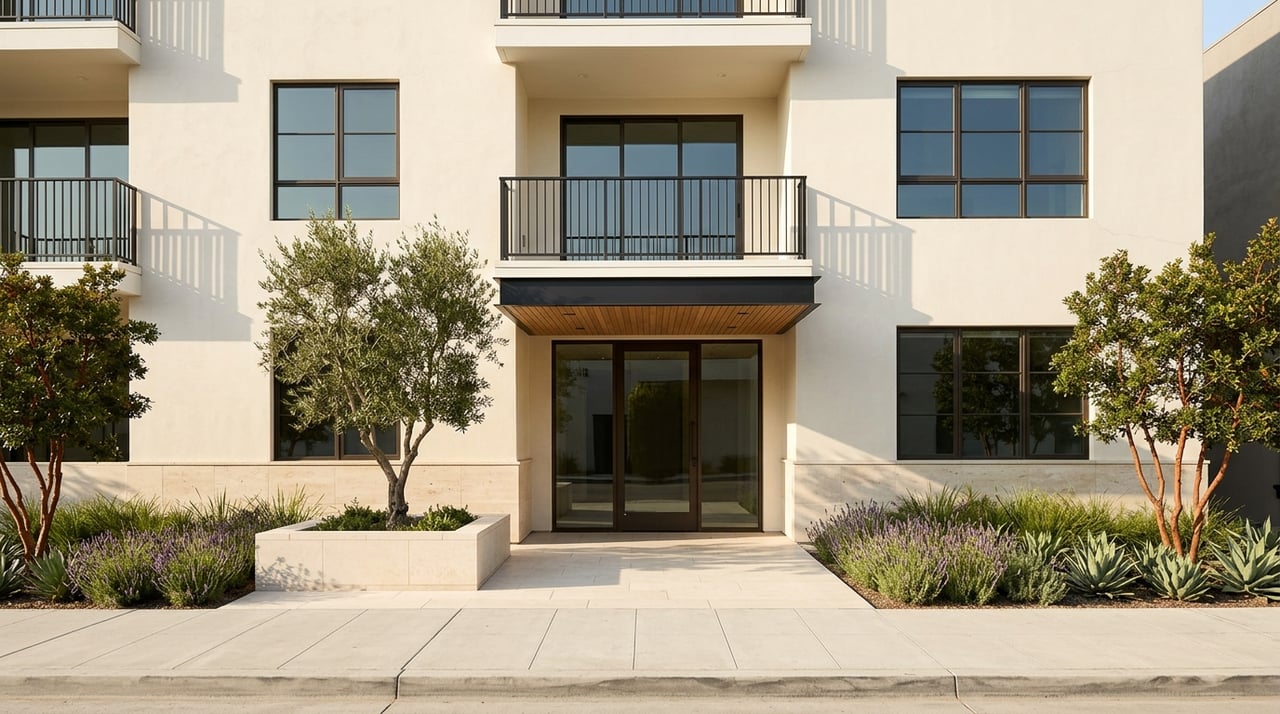
There is also an important physical difference within the area. The Westwood Community Plan describes two distinct condo environments: lower-rise, village-adjacent housing and the larger high-rise buildings along the Wilshire Corridor. If you are evaluating a condo as a wealth-building tool, that split matters because each product type can behave differently in resale, maintenance, and buyer appeal.
Westwood Condos and Wealth Building
A condo can build wealth in a few simple ways. Over time, you may benefit from price appreciation, principal paydown as you reduce your loan balance, and the relative predictability of owning compared with renting. In a market like Westwood, the long-term case tends to rest on durable location demand and careful building selection.
Current market data supports the idea that Westwood remains a high-value market. Redfin reported a March 2026 median sale price of $1.8 million, up 12.5% year over year, with median days on market at 76. Zillow also showed Westwood home values and median sale prices at high levels, though with different methodology, which is why those figures are best read as directional rather than identical.
For condos specifically, Redfin showed 157 Westwood condos for sale with a median listing price of $1.15 million, and those properties were taking about 80 days to sell. Realtor.com described Westwood as a balanced market in March 2026, with homes selling at about 98% of list price on average. That suggests a market with meaningful value but not one where every condo performs the same.
Why Building Quality Matters So Much
In Westwood, you are not buying into a uniform condo market. You are buying into a specific building with its own reserves, rules, maintenance history, and monthly costs. That is especially true along the Wilshire Corridor, where planning rules regulate development intensity, parking, height, landscaping, signage, and design, and where projects may require Design Review Board approval.
The corridor’s history also supports a building-by-building approach. A Los Angeles Times overview described Wilshire Boulevard as a market shaped by apartment stock, later condo conversions, and purpose-built towers. That means two condos with similar square footage can have very different ownership experiences depending on the quality of the building behind them.
From a practical standpoint, building quality often shows up in very ordinary things. Think elevator reliability, common-area upkeep, parking, security, reserve funding, and how consistently the HOA handles maintenance. These are not glamorous details, but they can have a real impact on both your monthly budget and future resale appeal.
The Costs That Shape Long-Term Returns
If you want a condo to function as a wealth-building tool, you need to underwrite the full cost of ownership. The monthly payment is only part of the picture. HOA dues, property taxes, insurance, repairs, and possible special assessments all affect what you actually carry over time.
HOA dues deserve close attention. Consumer guidance cited in the research notes that dues can range from a few hundred dollars per month to more than $1,000, and they are usually separate from the mortgage. In a high-rise setting, those dues may support staffing, elevators, insurance for common areas, and ongoing maintenance, so they should be treated as a core housing cost, not a side note.
Reserve funding is another major piece of the equation. The California Department of Real Estate explains that reserve studies estimate the long-term cost of repairing and replacing major common-area components, and state law requires periodic visual inspection of accessible major components when reserve-study thresholds are met. In plain terms, strong reserves can reduce the chance that owners get hit with large surprise costs.
Underfunded HOAs can create the opposite problem. The California DRE warns that weak reserve funding can lead to special assessments, which can change the economics of ownership quickly. A lower purchase price is not always a better deal if the building is carrying deferred costs that may land on owners later.
Property Taxes Can Help Long-Term Planning
California property taxes are an important part of the long-hold math. The California Board of Equalization explains that Proposition 13 generally limits the tax rate to 1% of assessed value plus voter-approved charges. Assessed value also typically rises by no more than 2% per year unless there is a change in ownership or new construction.
That structure can make ownership costs more predictable for long-term holders than many buyers expect. It does not eliminate expenses, and a purchase can trigger a supplemental assessment, but it does offer a degree of tax stability that can support longer-range planning. For buyers thinking in decades rather than just a few years, that predictability matters.
Transit and Access Support Future Demand
Long-term value is often tied to access. In Westwood, the demand story is not only about the neighborhood itself. It is also about how well the area connects to major work and activity centers across the Westside.
Metro says the D Line extension will eventually serve Westwood/UCLA and Westwood/VA Hospital, with Section 3 expected in fall 2027. Better rail access can strengthen the area’s appeal over time by improving connections to other parts of Los Angeles and reducing dependence on driving. For many buyers, that kind of infrastructure is part of the long-term value case.
This matters because Westwood functions as more than a residential enclave. Planning materials describe it as tied to employment, services, and regional movement. That broader role can help support condo demand beyond any one buyer profile or short-term market cycle.
How to Evaluate a Westwood Condo Smartly
If your goal is long-term wealth building, focus less on finding the cheapest unit and more on finding the right building in the right pocket of Westwood. A design-forward condo with strong management and healthy reserves may offer a more durable ownership experience than a superficially cheaper unit in a weaker building. In this neighborhood, details matter.
Start with the basics:
- Review HOA dues and what they cover
- Check reserve funding and the most recent reserve study
- Ask about past or pending special assessments
- Understand parking arrangements and guest parking limits
- Review building rules on remodeling and design changes
- Look at common-area condition, elevators, security, and overall upkeep
Then step back and assess how the property fits your life. If you value UCLA proximity, Westside access, and a more lock-and-leave ownership model over land ownership or yard space, a condo may be a strong fit. If your priorities are different, another property type may align better with your goals.
A Strategic View of Westwood Ownership
The strongest case for a Westwood condo is usually not about speculation. It is about buying into a neighborhood with durable demand drivers, understanding the building’s financial health, and holding a property that matches how you want to live. That is a more disciplined and often more durable way to think about wealth building.
Westwood can reward buyers who pay attention to design, operations, and the true cost of ownership. In my experience, the right condo is one where the building works well, the numbers make sense, and the property still feels compelling years from now when you go to sell. That combination is what turns a purchase into a stronger long-term asset.
If you are weighing whether a Westwood condo fits your long-term goals, John Iglar can help you evaluate the building, the numbers, and the tradeoffs with a clear, strategic approach.
FAQs
What makes Westwood condos appealing for long-term wealth building?
- Westwood benefits from strong housing demand tied to UCLA, employment access, and long-term transit improvements, which can support resale demand over time.
How important are HOA reserves for a Westwood condo buyer?
- HOA reserves are very important because they help cover future repair and replacement costs for common areas, which can reduce the risk of large special assessments.
Are all Westwood condos similar as investments?
- No. Westwood is a building-specific market, especially along the Wilshire Corridor, so management quality, reserves, dues, parking, and upkeep can vary significantly from one building to another.
How do HOA dues affect condo wealth building in Westwood?
- HOA dues are part of the real monthly cost of ownership, and higher dues can still make sense if they support a well-run building with solid maintenance, insurance, and amenities.
How do California property taxes affect long-term condo ownership?
- California’s Proposition 13 system generally limits the tax rate to 1% of assessed value plus voter-approved charges, with annual assessed value increases typically capped unless there is a change in ownership or new construction.
Will the Metro D Line extension matter for Westwood condo values?
- Transit improvements can strengthen long-term demand by improving access to major job centers and making the area less dependent on driving, though future resale value is never guaranteed.