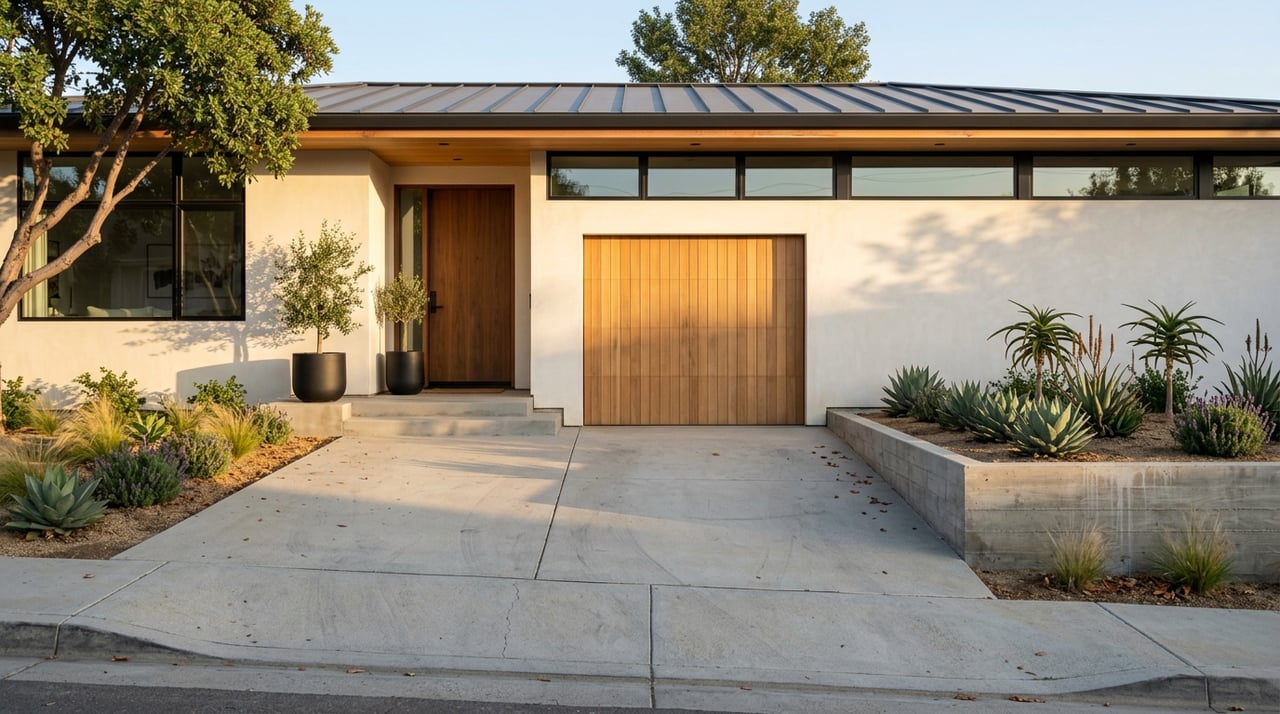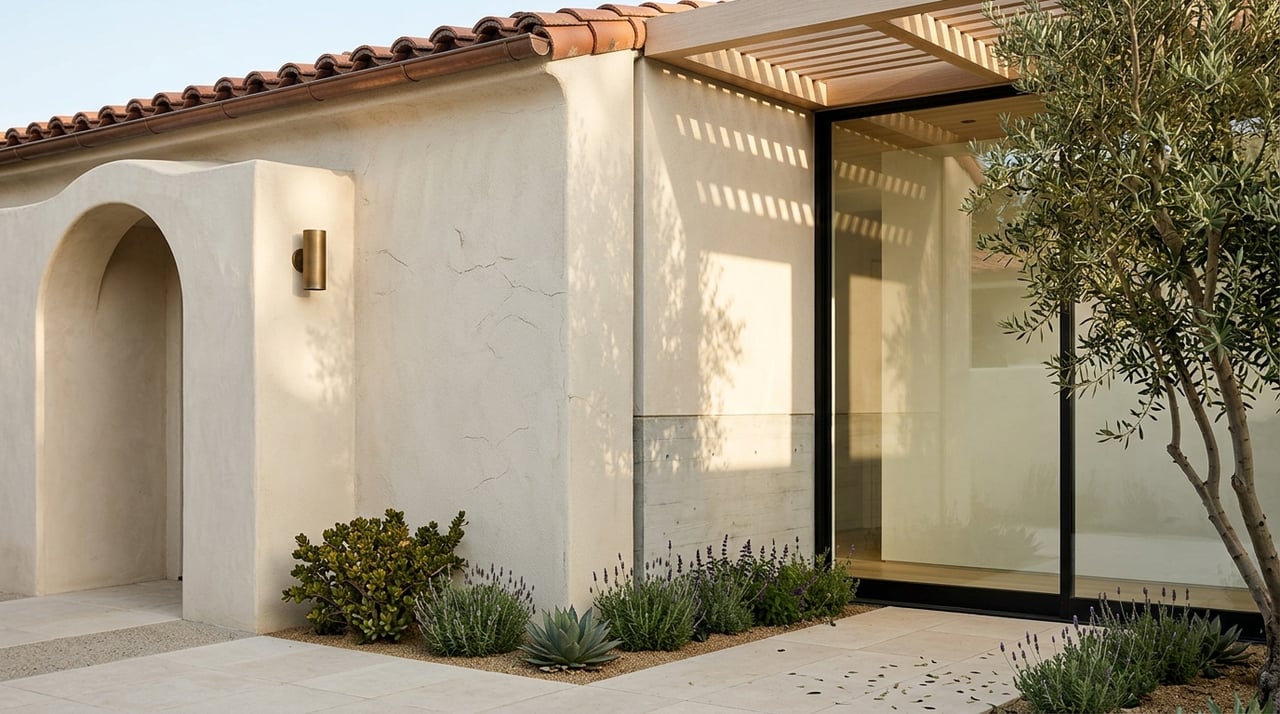
Wondering whether an older Brentwood home or a newer one is the better buy? It is a smart question, especially in a neighborhood where housing spans multiple eras and the differences go far beyond style alone. If you are weighing charm, layout, maintenance, comfort, and long-term upside, this guide will help you think through the real tradeoffs in Brentwood with more clarity. Let’s dive in.
Brentwood Has Homes From Different Eras
Brentwood is not a one-era neighborhood. SurveyLA describes it as a mostly single-family, low-density area shaped by several development waves rather than one single build period.
That matters because “older versus newer” in Brentwood is rarely a simple good-versus-bad choice. In many cases, you are comparing architectural character, larger lots, and mature landscaping on one side with more current floor plans and newer building systems on the other.
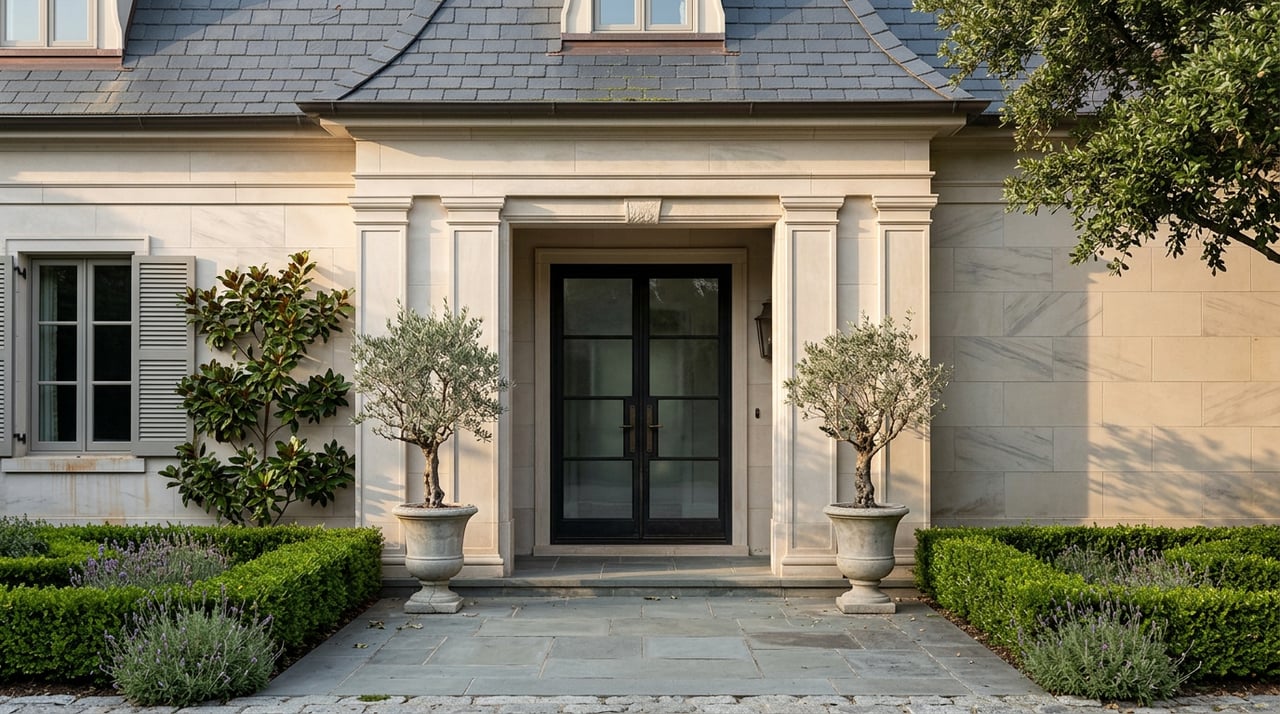
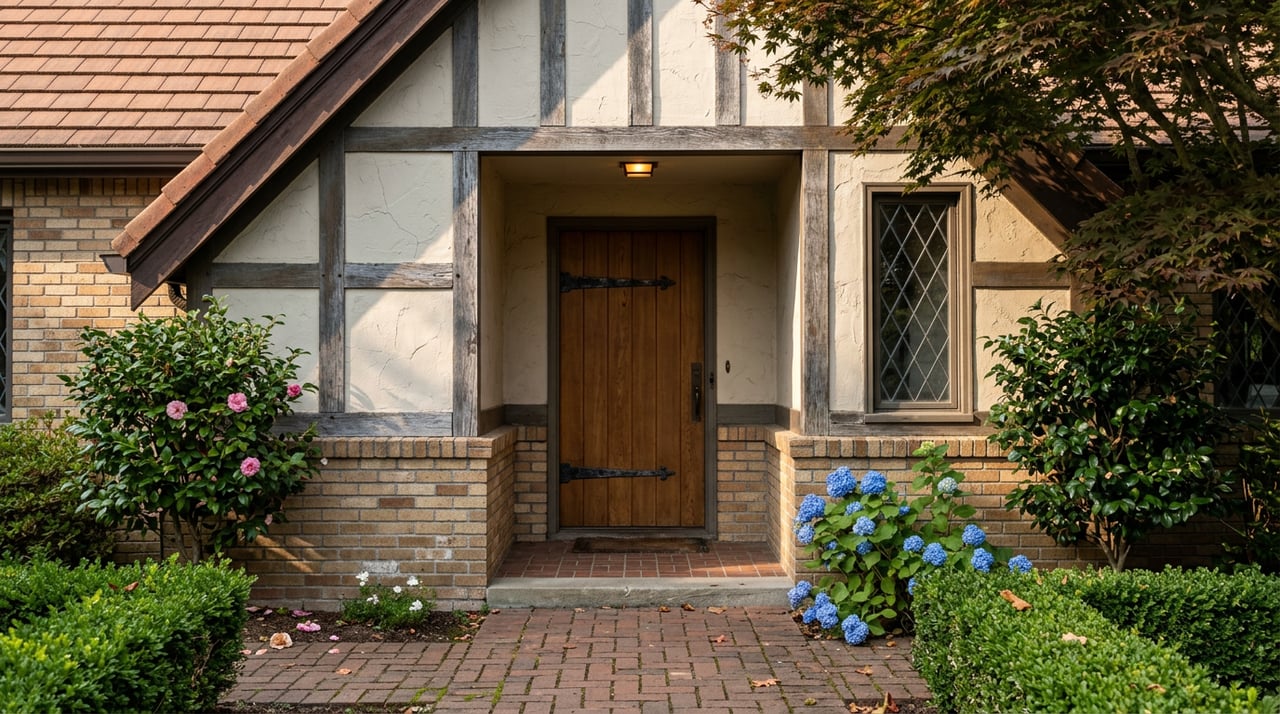
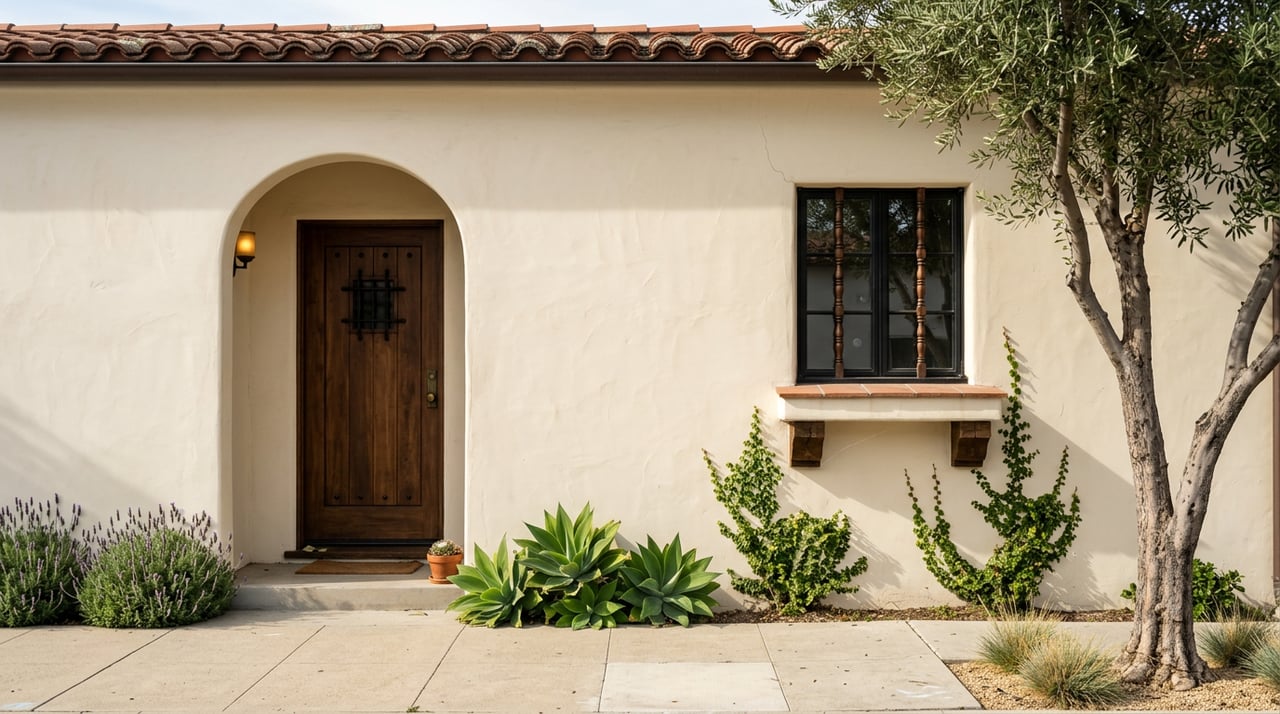
One of Brentwood’s earliest subdivisions, Brentwood Park, was first subdivided in 1906. SurveyLA notes that original residences there date from the 1920s through the 1950s and include American Colonial, Spanish Colonial, Tudor, early Modern, and Ranch styles.
Why Older Homes Appeal to Buyers
If you are drawn to design, older Brentwood homes often have a distinct point of view. Many offer details that are harder to find in newer construction, including more individual massing, millwork, and room-by-room separation.
Older homes can also come with a different site experience. SurveyLA notes features such as curving streets, original traffic circles and ovals, large lots, and mature trees, all of which shape how these properties feel day to day.
In practical terms, the appeal is often about location, lot, and renovation upside rather than low maintenance. An older home may give you the chance to buy strong architecture in an established setting and improve it over time.
What Older Homes May Require
The tradeoff is usually in the systems. Older homes are more likely to have aging roofs, foundations, plumbing, electrical components, insulation, windows, drainage issues, or HVAC systems that need closer review.
That does not mean every older home is a problem. It means you should go in with a clear understanding of condition, repair costs, and how much work you are comfortable taking on after closing.
For pre-1978 homes, lead-based paint is another important point. The EPA says homes built before 1978 are more likely to contain lead-based paint, sellers must disclose known information before sale, and buyers have a 10-day period for a lead inspection or risk assessment.
In Los Angeles, seismic considerations can matter too. LADBS says the city’s mandatory retrofit program covers certain pre-1978 wood-frame soft-story buildings and non-ductile concrete buildings, and the California Earthquake Authority’s Earthquake Brace + Bolt program offers grants of up to $3,000 for qualifying residential seismic retrofits that bolt a house to its foundation and brace the crawl space.
What To Inspect In An Older Brentwood Home
If you are considering an older property, your inspection strategy matters. The goal is not just to identify flaws, but to understand which issues affect comfort, safety, future renovation scope, and near-term cost.
Focus on these areas first:
- Roof condition
- Foundation condition
- Plumbing systems
- Electrical systems
- Drainage and grading
- Windows
- Insulation
- HVAC performance
California’s Transfer Disclosure Statement is also part of the picture. The California Department of Real Estate states that this disclosure is meant to report the property’s condition, but it is not a warranty and not a substitute for inspections.
That is an important distinction. In a character home, finishes can be beautiful while core systems still need work, so it helps to look past the cosmetic layer.
Why Newer Homes Appeal To Buyers
If your priority is a more turnkey daily experience, newer construction often has a strong case. The biggest advantage is usually not just appearance, but how the home performs.
Newer homes tend to align more closely with current code requirements for comfort and efficiency. The California Energy Commission says the 2025 Energy Code expands heat pumps in newly constructed residential buildings, encourages electric-readiness, strengthens ventilation standards, and applies to permit applications filed on or after January 1, 2026.
For you as a buyer, that often translates to more predictable interior temperatures, better ventilation, and systems built around modern performance expectations. In plain English, the house may simply feel easier to live in day to day.
Another practical benefit is documentation. The California Energy Commission says Title 24 compliance paperwork must be left in the home for the owner, which can be useful later when you sell, refinance, or need to confirm what was installed.
What Newer Homes Still Need Review
Newer does not mean risk-free. A home can look polished and still deserve careful review, especially if it is recently built, heavily remodeled, or marketed as move-in ready.
LADBS says permits are required for new construction, additions, alterations, and demolition or removal work in Los Angeles. Permit records can be important later for both future sale and refinance.
That is why buyers should still verify:
- Grading n- Drainage
- Waterproofing
- Permit sign-off
- Final inspections
- Finish quality
For recent seller-held projects, California disclosure rules may add another layer of review. The California Department of Real Estate says that if a seller acquired title within the previous 18 months, the seller must disclose certain contractor-performed room additions, structural modifications, alterations, or repairs of $500 or more made since taking title, along with contractor names and permit copies.
So if a home looks new, ask whether it is actually new construction, a major remodel, or a cosmetic update. Those are very different categories from a due diligence standpoint.
Brentwood Planning Rules Matter
In Brentwood, the lot and its review status can matter almost as much as the house itself. City Planning notes that the Brentwood-Pacific Palisades area includes overlays such as the Brentwood/Pacific Palisades dual coastal plan zone and the San Vicente Scenic Corridor.
This matters if you plan to remodel, expand, or rebuild. Some parcels may be subject to additional review, which can affect timelines, design options, and what kind of exterior work is possible.
If a property sits within a Local Historic District or HPOZ, City Planning says exterior work, landscaping, alterations, additions, and new construction receive additional review. In some cases, even work that does not require a building permit may still be reviewed.
For a buyer, that can be either a positive or a constraint. If you value neighborhood continuity and architectural stewardship, it may support your goals. If you want maximum flexibility to change the property, it is something to understand before you write an offer.
How To Decide Which Home Fits You
The better choice usually comes down to your tolerance for systems work and your priorities as an owner. Brentwood gives you options, but each option comes with a different ownership experience.
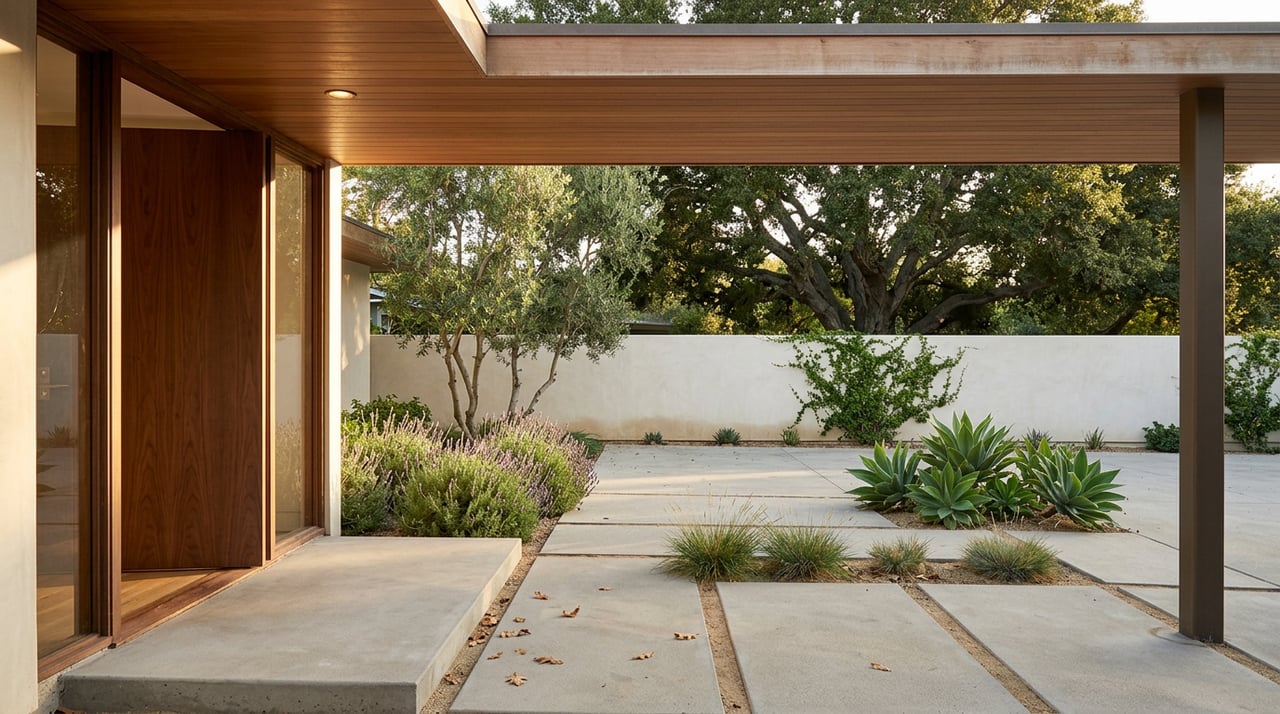
An older home may fit you well if you value architectural identity, established lots, and the possibility of improving a property over time. A newer home may fit you better if you want more immediate comfort, more contemporary flow, and fewer near-term unknowns in the major systems.
Here is a simple way to frame the decision:
| If you value... | Older home may fit | Newer home may fit |
|---|---|---|
| Architectural character | Yes | Sometimes |
| Mature landscaping and larger lots | Often | Less often |
| Private, separated rooms | Often | Less often |
| Turnkey living | Less often | More often |
| Modern systems | Less often | More often |
| Renovation upside | Often | Sometimes |
In my experience, the right answer is rarely just about age. It is about whether the house, the lot, and the paper trail all line up with how you want to live and what you want to take on.
What To Check Before You Write An Offer
Before you move forward on either an older or newer home in Brentwood, slow down and review the basics carefully. A measured review now can save you time, money, and frustration later.
Use this checklist:
- Confirm the home’s approximate build era
- Review disclosures closely
- Understand whether the home is pre-1978
- Prioritize inspections for major systems
- Check permit history for visible improvements
- Confirm final inspections where applicable
- Ask whether the parcel falls in a planning or review overlay
- Think honestly about your tolerance for projects after closing
This is where a clear, practical lens helps. A beautiful house can still be the wrong fit if the maintenance scope, permit history, or renovation limitations do not match your goals.
Brentwood has some of Los Angeles’ most compelling homes across multiple architectural periods. If you want help evaluating the real tradeoffs between a character property and a newer build, John Iglar can help you look past surface appeal and make a more informed decision.
FAQs
What is the main difference between older and newer homes in Brentwood?
- Older Brentwood homes often offer more architectural character, larger lots, and mature landscaping, while newer homes usually offer more contemporary layouts and newer building systems.
What should buyers inspect in an older Brentwood home?
- Buyers should pay close attention to the roof, foundation, plumbing, electrical system, drainage, windows, insulation, and HVAC, since these areas often have the biggest impact on comfort, cost, and renovation scope.
What should buyers verify in a newer Brentwood home?
- Buyers should still review grading, drainage, waterproofing, finish quality, permits, and final inspection sign-off, because newer construction and recent remodels are not automatically problem-free.
Do pre-1978 Brentwood homes need extra review?
- Yes. Pre-1978 homes may require lead-based paint awareness, and buyers have a 10-day period for a lead inspection or risk assessment under federal law.
Can you freely renovate any home in Brentwood?
- Not always. Some Brentwood properties may fall within planning overlays or historic review areas where exterior work, additions, landscaping, or new construction may receive added review.
Why do permit records matter when buying a Brentwood home?
- Permit records help you confirm that construction, alterations, and repair work were properly reviewed and inspected, which can matter for future resale, refinance, and your own peace of mind.