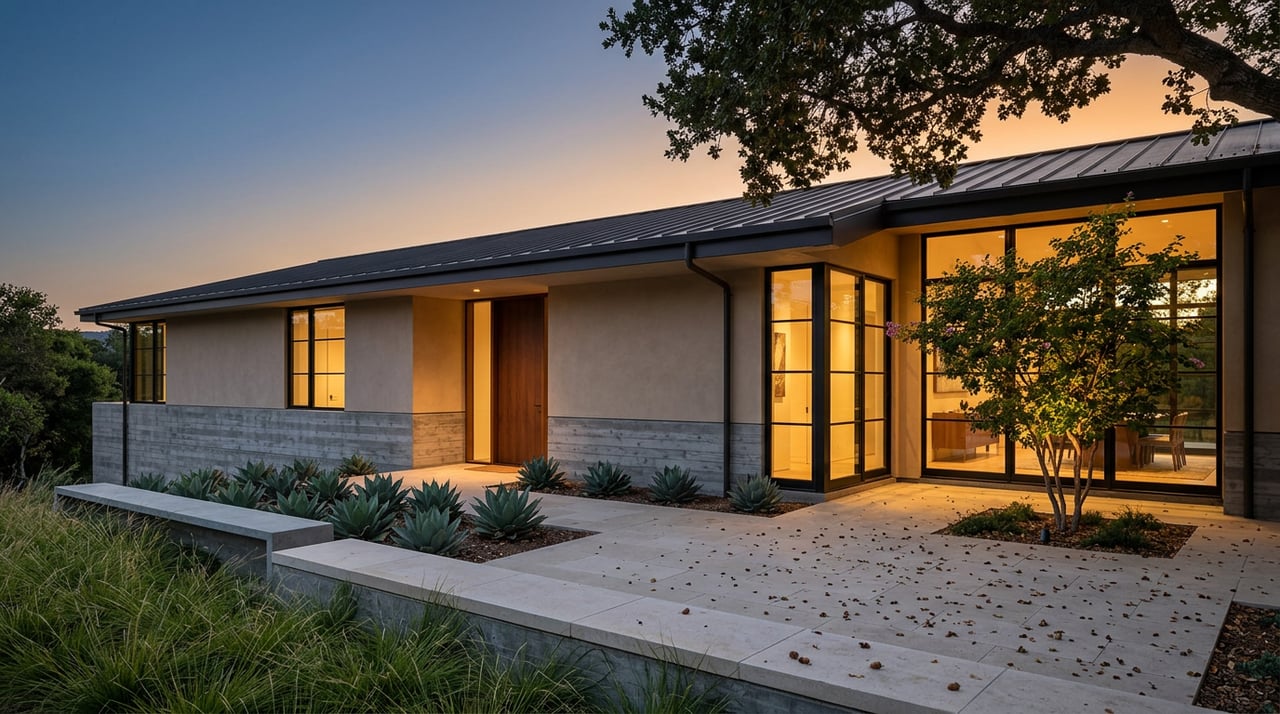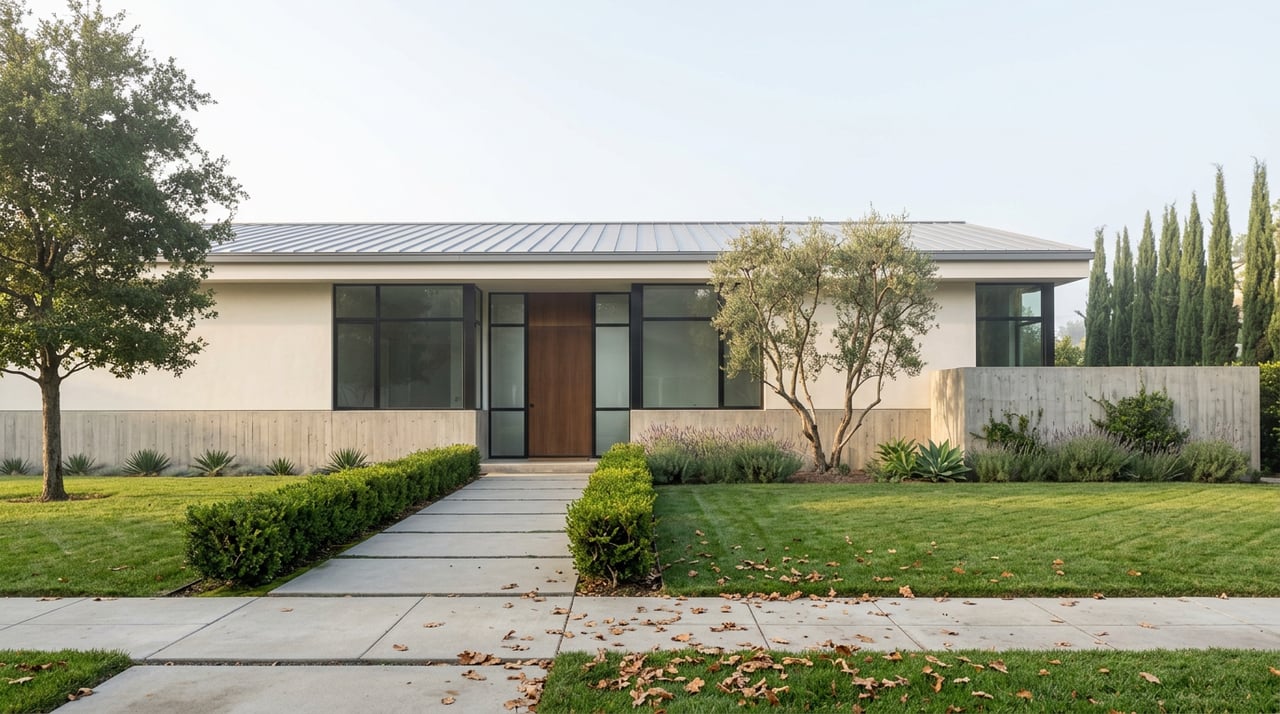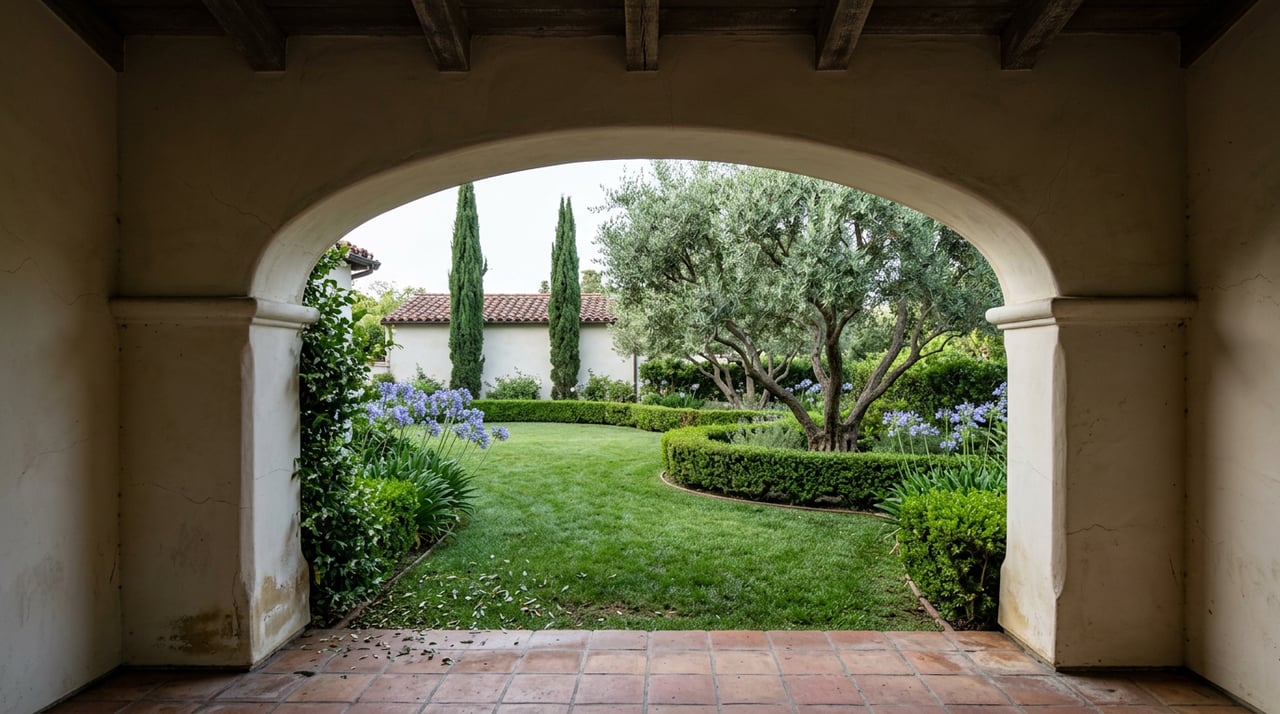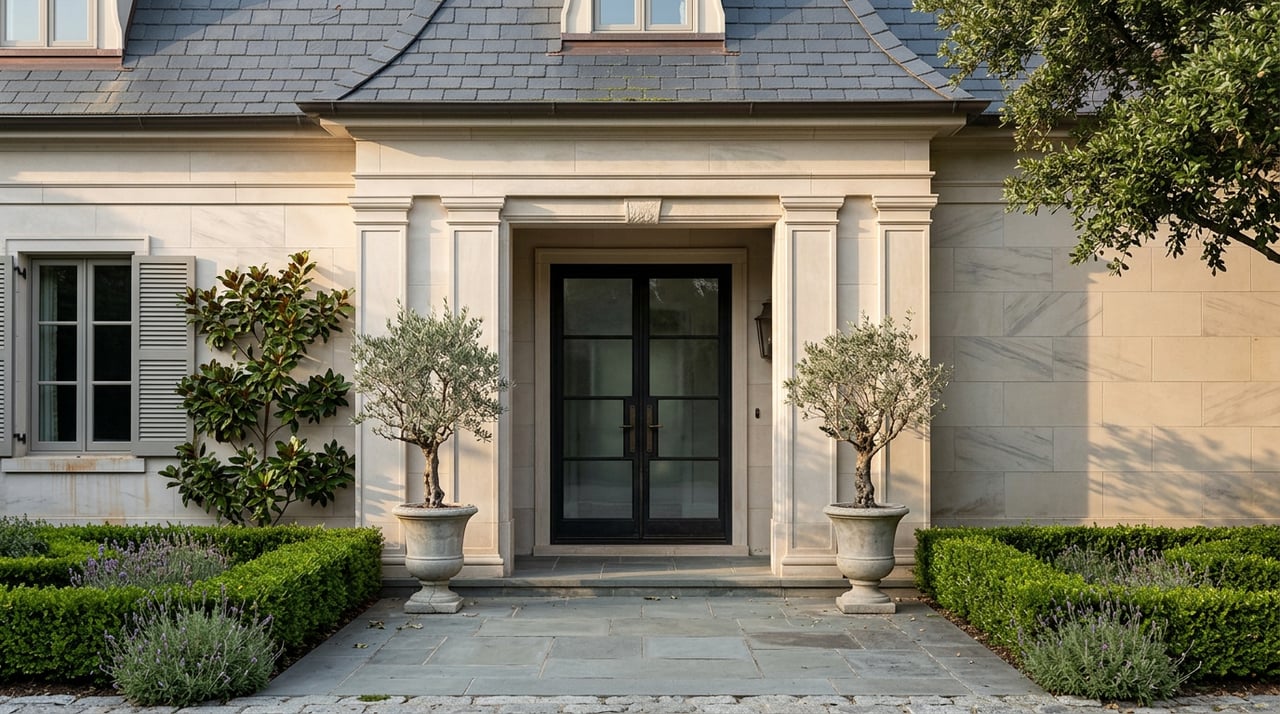
If you are selling a character home in Hancock Park, you are not just bringing square footage to market. You are presenting architecture, setting, and a piece of a historic district that buyers often value for its period details and street presence. With the right prep, pricing, and marketing plan, you can protect what makes your home special while still positioning it competitively. Let’s dive in.
Why Hancock Park requires a thoughtful approach
Hancock Park is an official Historic Preservation Overlay Zone, or HPOZ, and that matters when you prepare a home for sale. According to Los Angeles City Planning, the district is meant to preserve Hancock Park as a collection of period-revival residences, not as isolated homes viewed without context.
That framework changes how your property is seen. In Hancock Park, buyers are often responding to the relationship between the home and the street, the setback, the driveway approach, the front garden, and original architectural elements as much as they are responding to bedroom count or finishes.
The neighborhood developed largely in the 1920s and is known for Period Revival architecture. Most homes sit about 50 feet back from the street, often with side driveways and porte-cocheres, which means curb presence plays an outsized role in both marketing and buyer perception.
Focus on what creates value
Before you spend money, it helps to understand what the preservation plan treats as most sensitive. In Hancock Park, work affecting street-visible facades, visible side elevations, rooflines, roof materials, visible hardscape, front-yard walls and fences, and visible accessory structures may receive closer review.
By contrast, many interior improvements are generally exempt from HPOZ review. Paint color is generally exempt too, as are rear- and side-yard landscaping, rear-yard fences and walls, rear facades, and work that does not affect the street-visible facade.
For most sellers, that leads to a simple strategy: preserve what gives the house its identity, and update what improves safety, function, and presentation. A thoughtful sale plan is usually less about replacing character and more about clarifying it.
Repair before replacing
The Hancock Park preservation plan says historic fabric should be preserved whenever possible and that repair should be attempted before replacement. That is especially important for windows, doors, roof forms, eaves, chimneys, and specialty materials.
If you replace original windows or doors with generic new products, you may weaken one of the home’s most valuable assets. Replacement windows should closely match the original in size, shape, pane arrangement, materials, hardware, construction method, and profile.
This is where a measured pre-listing plan can protect both marketability and future buyer confidence. Buyers shopping in Hancock Park often notice the difference between original character that has been cared for and updates that feel disconnected from the home’s era.
Be careful with front-yard changes
Many sellers assume landscaping can hide or soften a less-than-perfect facade. In Hancock Park, the preservation plan defines street-visible facades broadly, including side elevations visible from the street or sidewalk, even if plantings partly obscure them.
That means front-facing presentation still matters, even when mature landscaping is part of the setting. It also means visible hardscape and front-yard elements deserve more attention than owners sometimes expect.
Front-yard parking is specifically discouraged in the plan. If your pre-sale ideas involve changing the front approach, it is worth evaluating whether that move helps the sale or works against the home’s architectural presentation.
Smart pre-listing updates for sellers
A thoughtful pre-listing budget usually goes farther when it supports the home’s original language instead of competing with it. In Hancock Park, the goal is often to make the house feel well-kept, functional, and visually coherent.
Useful updates may include:
- deep cleaning and decluttering
- repairing original windows and doors where possible
- refreshing paint where needed
- restoring damaged trim, hardware, plaster, or other visible period details
- improving lighting for showings and photography
- servicing major home systems so buyers feel fewer unknowns
- refining landscaping to frame the architecture rather than overwhelm it
Interior remodeling is generally exempt from HPOZ review, but that does not always mean a major remodel is the best pre-sale investment. If your goal is to sell thoughtfully, it is often smarter to avoid expensive work that erases character or narrows the buyer pool.
Pricing a character home in a balanced market
Hancock Park is not a market where broad averages tell the whole story. Realtor.com’s March 2026 snapshot shows a median listing price of $2.79 million, 26 active for-sale properties, a median 56 days on market, and a 98% sale-to-list ratio, and it characterizes the area as a balanced market.
In a balanced premium market, pricing discipline matters. Buyers may pay a premium for architecture and setting, but they still compare condition, layout, authenticity, and lot configuration closely.
That is why pricing a Hancock Park character home should rely on tight comparables, not just neighborhood-wide numbers. A Spanish Revival with intact original details, for example, should not simply be grouped with any large house nearby if the style, condition, lot placement, or level of preservation are meaningfully different.
What should be matched in comps
When evaluating comparable sales, it helps to match as closely as possible on:
- architectural style
- lot configuration and setback
- contributing versus non-contributing status within the district
- condition and level of modernization
- retention of original character details
- street presence and facade quality
- size and usability of outdoor areas
This is one reason a thoughtful seller strategy matters so much in Hancock Park. The story of the home and the quality of its preservation often influence value alongside the usual metrics.
Do not overlook transfer taxes
For higher-value sales, net proceeds planning should include Los Angeles transfer taxes. The Los Angeles Office of Finance says the base real-property transfer tax is 0.45%.
Measure ULA adds 4% for conveyances over $5.3 million but under $10.6 million, and 5.5% at or above $10.6 million. The city also notes that for closings after June 30, 2026, those thresholds rise to $5.4 million and $10.9 million.
If your likely sale price is near one of those thresholds, pricing is not just about attracting buyers. It can also affect your net in a meaningful way.
Marketing that respects the home
A Hancock Park character home usually performs best when marketing is clean, restrained, and architecture-forward. You want buyers to understand the home clearly, not sift through visuals that feel over-produced or disconnected from the property.
That approach also aligns with how buyers engage with listings. In the National Association of Realtors 2025 staging report, 83% of buyers’ agents said staging made it easier for buyers to visualize a property as a future home, and photos, videos, and virtual tours were important to clients.
For a home with architectural value, good marketing should reveal the house honestly and beautifully. The goal is not to manufacture interest. The goal is to show buyers what is already there.
What to feature in photography
In Hancock Park, the most important images often include the elements that define the home’s relationship to the street and its era. That can include:
- the front elevation
- roofline and chimney details
- the entry sequence
- stairs, walkways, and approach
- mature front landscaping
- porte-cochere or side driveway
- original windows, doors, and hardware
- major interior rooms with preserved period character
NAR’s 2025 staging report also found that the most commonly staged rooms were the living room, primary bedroom, dining room, and kitchen. Those rooms usually deserve extra attention because they help buyers connect emotionally while still seeing the home’s architecture.
Use image editing carefully
In California, accurate marketing is not optional. The Department of Real Estate says advertising content generated by AI still must be truthful and independently verified.
As of January 1, 2026, digitally altered listing images must be clearly disclosed, and the original unaltered image must be made available to consumers. That applies to edits such as sky swaps, object removal, virtual staging, and other changes that alter the property’s appearance.
For sellers, the takeaway is simple: conservative editing is safer. In a neighborhood like Hancock Park, credibility matters, and buyers of character homes often respond best to honest presentation.
Copy that sells stewardship, not just finishes
The strongest listing copy for Hancock Park usually does more than recite upgrades. It identifies the architecture, era, setting, and details that make the home distinct.
That may include references to period-revival style, original windows and doors, a formal entry, mature landscaping, a porte-cochere, or the home’s setback and orientation on the lot. Done well, the copy helps buyers understand not just what the house has, but what the house is.
This matters because many Hancock Park buyers are not simply shopping for a renovated floor plan. They are often looking for a home they can appreciate, maintain, and carry forward with care.
A calm, strategic selling plan
Selling thoughtfully in Hancock Park means balancing preservation, market realities, and presentation. It means knowing which updates are worth doing, which original features should be protected, how the HPOZ framework shapes buyer expectations, and how pricing and marketing should reflect the home’s actual place in the market.
When that process is handled well, your home can stand out for the right reasons. You are not chasing attention. You are giving buyers a clear, credible, architecture-literate picture of the opportunity in front of them.
If you are preparing to sell a character home in Hancock Park and want a strategy grounded in design, pricing discipline, and clear communication, reach out to John Iglar.
FAQs
What makes selling a Hancock Park home different from selling in other Los Angeles neighborhoods?
- Hancock Park is an HPOZ, so the home’s street-visible character, architectural details, and relationship to the streetscape often carry unusual importance in both prep and marketing.
What kinds of home improvements are generally exempt from Hancock Park HPOZ review?
- Interior improvements, paint color, rear- and side-yard landscaping, rear-yard fences and walls, rear facades, and work that does not affect the street-visible facade are generally exempt.
What exterior changes to a Hancock Park home may receive closer review?
- Changes to street-visible facades, visible side elevations, rooflines, roof materials, visible hardscape, front-yard walls and fences, and visible accessory structures may receive closer review.
Should you replace original windows before selling a Hancock Park character home?
- Usually, careful repair is the better first step because the preservation plan says historic fabric should be preserved whenever possible and replacement windows should closely match original features.
How should you price a Hancock Park character home?
- Pricing should be based on close comparables that match style, condition, lot configuration, architectural character, and level of preservation, rather than relying only on broad neighborhood averages.
What should Hancock Park sellers know about Measure ULA?
- In Los Angeles, Measure ULA adds transfer tax above certain sale-price thresholds, so sellers near those price points should factor tax impact into their net-proceeds planning.
Can you use virtual staging when selling a home in Hancock Park?
- Yes, but in California digitally altered listing images must be clearly disclosed, and the original unaltered image must be made available to consumers.
Which rooms matter most when staging a Hancock Park listing?
- The 2025 NAR staging report found the living room, primary bedroom, dining room, and kitchen were the most commonly staged rooms.
Should listing photos for a Hancock Park home be heavily edited?
- No. Conservative, accurate editing is the safer approach because California requires truthfulness in advertising and disclosure of digitally altered listing images.
What if your Hancock Park property has a Mills Act contract?
- Los Angeles says owners should contact Planning first, and sellers should keep in mind that some work may affect Mills Act eligibility even if it otherwise fits preservation guidelines.