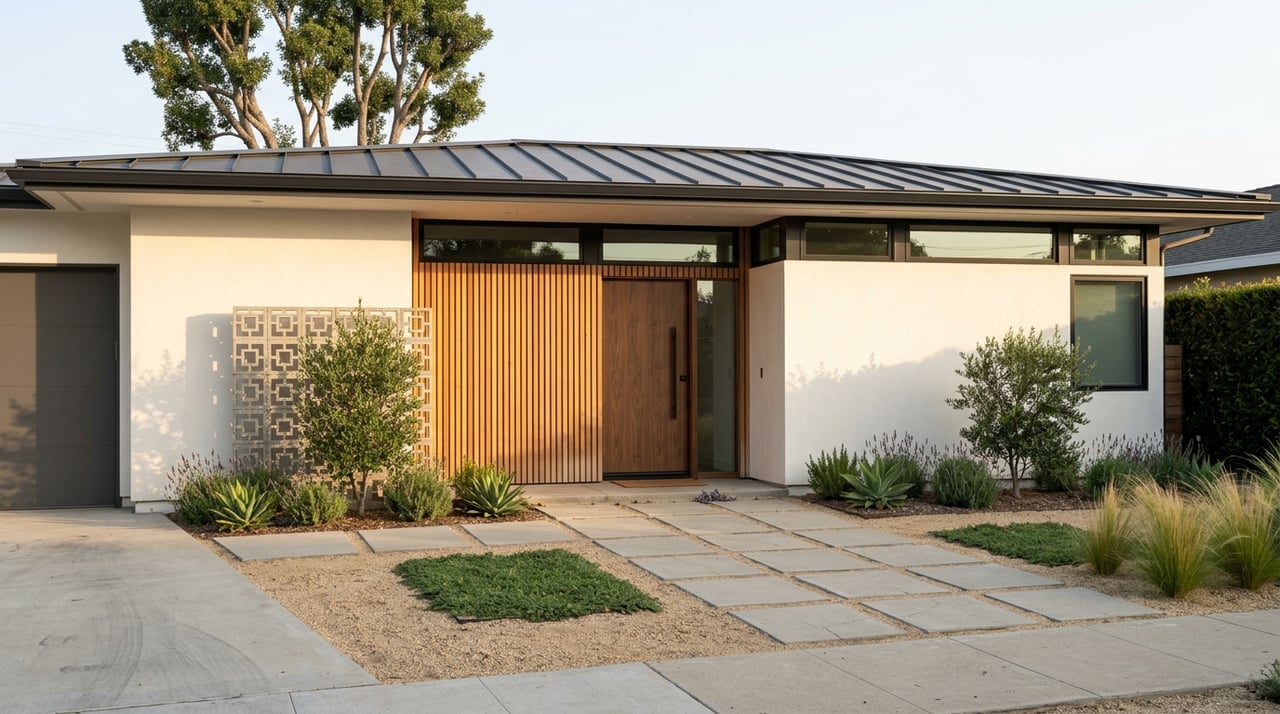
If you think Mar Vista is one uniform neighborhood, the street-level reality can be a surprise. This part of Los Angeles changes block by block, especially if you care about architecture, lot patterns, street feel, and how a home actually lives. If you are trying to buy or sell here with a design lens, understanding Mar Vista’s micro-neighborhoods can help you make a smarter move. Let’s dive in.
Why Mar Vista Feels So Varied
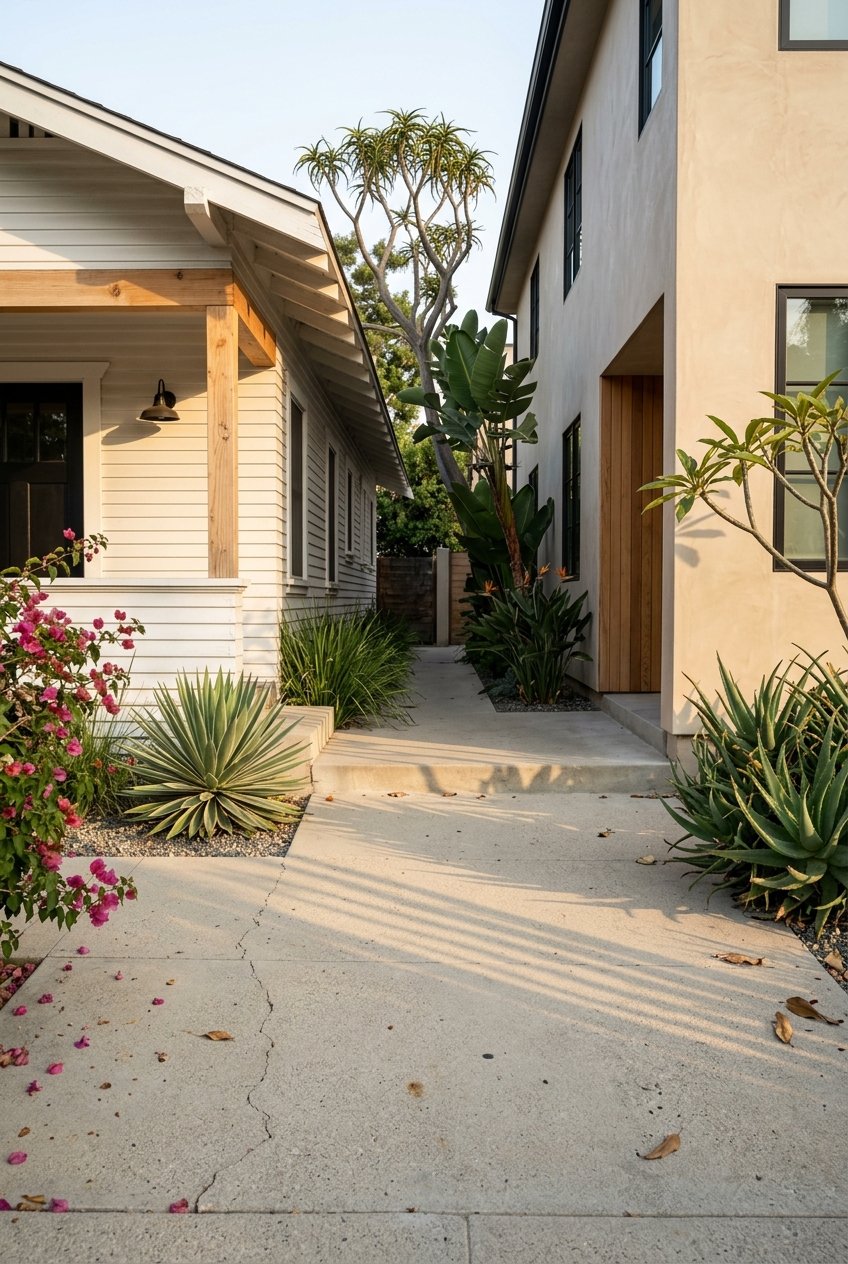
Mar Vista sits within the City of Los Angeles’ Palms-Mar Vista-Del Rey Community Plan area, and city planning materials describe it as predominantly residential. Most of the lower-scale development sits west of Sawtelle Boulevard in Mar Vista, while more medium- and high-scale multi-unit development is concentrated east of Sawtelle, primarily in Palms. That planning framework helps explain why Mar Vista often feels calmer and lower-scale than some nearby areas.
In practice, buyers rarely evaluate Mar Vista as one single, uniform neighborhood. The Mar Vista Community Council uses zone names and neighborhood labels such as Westdale, North Westdale, Westside Village, Hilltop, South Mar Vista, West Mar Vista, and Mar Vista Neighbors. That is a useful reminder that your experience here depends a lot on which pocket you are actually touring.
From a design perspective, Mar Vista works best when you break it into a few distinct categories. Some areas read as classic postwar tracts, some lean older and leafier, some carry real mid-century design significance, and some feel more tied to active commercial corridors. Those differences affect not just aesthetics, but also pricing, inventory, and the kind of lifestyle each block supports.
Westdale and North Westdale
Postwar homes and uniform streets
Westdale is one of the clearest postwar residential pockets in Mar Vista. City planning describes it as a post-World War II planned subdivision generally bounded by National Boulevard, Inglewood Boulevard, Palms Boulevard, and Sawtelle Boulevard, with about 800 parcels developed primarily with one-story single-family homes in Minimal Traditional and Ranch styles. Mature street trees and consistent setbacks give the area a noticeably cohesive look.
This is the part of Mar Vista that often feels the most low-slung and visually orderly. If you are drawn to tract-era planning, broad residential streets, and houses that sit in a consistent rhythm on the block, Westdale stands out. It is less about dramatic architectural variety and more about a steady, livable neighborhood pattern.
North Westdale shares some of that residential identity while reading as its own pocket. The Westdale tract history points to a later expansion to roughly 900 homes overall, and North Westdale sits just north of National and west of the 405 with its own long-running neighborhood association. For many buyers, that means a similar residential feel with a slightly different market entry point.
What pricing suggests here
Current Realtor.com data shows Westdale with a median listing price of $2.2175 million, 10 homes for sale, and 37 median days on market. North Westdale shows a median listing price of $1.295 million, 16 homes for sale, and 24 median days on market. Even within adjacent pockets, the spread is meaningful.
For buyers, that gap is a reminder to compare specific micro-areas instead of assuming all of Mar Vista trades the same way. For sellers, it reinforces how important it is to position your home within its exact neighborhood context. A house in Westdale is not marketed the same way as a house a few pockets over, even when the ZIP code matches.
Gregory Ain Tract
Mar Vista’s mid-century landmark
If your search starts with mid-century modern architecture, the Gregory Ain Mar Vista Tract is the pocket to know. City Planning describes it as 52 parcels designed by Gregory Ain in the Modern style and built in 1948. It is also designated as the city’s first post-World War II Historic Preservation Overlay Zone.
What makes this enclave especially important is that its design value is not just anecdotal. City materials highlight Ain’s use of standardized elements arranged with varied siting, along with indoor-outdoor planning and Garrett Eckbo’s landscape treatment. In plain terms, this is a small but highly distinct design district, not just a neighborhood with a few mid-century homes scattered around.
Why buyers watch this area closely
Because the tract contains only 52 parcels, it behaves more like a niche architectural market than a broad residential subdivision. Inventory is naturally limited, and preservation status shapes what buyers should expect. If you are targeting this pocket, you are usually buying into both design history and a specific planning framework.
That matters because not all mid-century homes offer the same experience. Some buyers want the style language only, while others want a home with recognized architectural significance and a defined streetscape. In Mar Vista, the Gregory Ain tract is where those priorities align most clearly.
The Oval and Older Blocks
Where classic character shows up
For older character homes, The Oval Planning District is one of the strongest pockets to study. City Planning describes it as an early-20th-century subdivision of roughly 200 parcels generally bounded by Venice Boulevard, Inglewood Boulevard, Washington Boulevard, and McLaughlin Avenue. Its oval-shaped street pattern, deep front setbacks, wide landscaped parkways, and mature palm trees give it a very different feel from the postwar tracts.
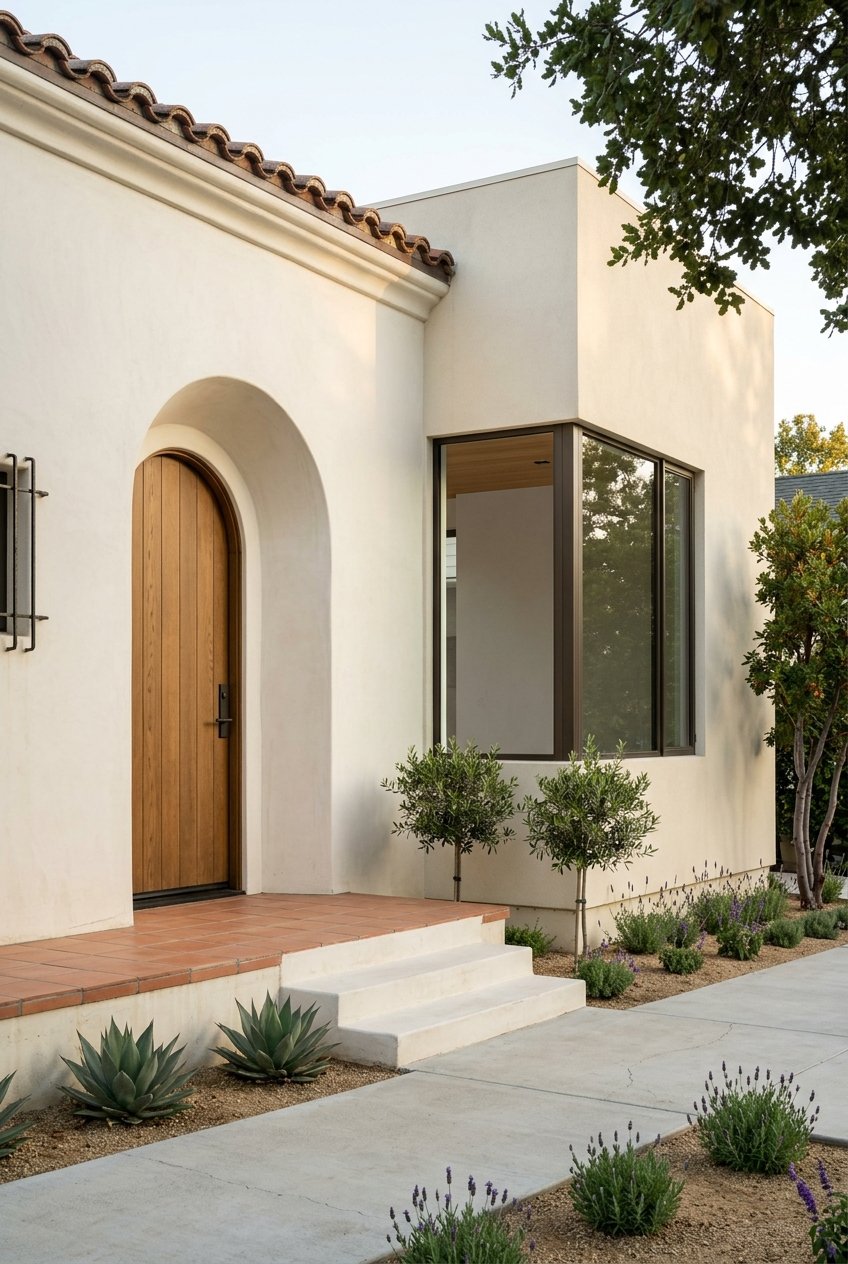
This is where it makes sense to talk about classic Mar Vista character. Community plan materials note that many Mar Vista properties from the 1910s to 1930s include Craftsman, Neoclassical, Spanish Colonial Revival, and Tudor Revival styles. If you are looking for older housing stock with prewar design cues, this is the right lane.
What the streetscape tells you
The Oval tends to feel older and leafier because the subdivision pattern itself is different. Deeper setbacks and wider parkways shape the visual experience before you even look at the architecture. That kind of planning detail often matters to design-minded buyers because it changes how a block feels on foot and how homes present from the street.
There is some variation from later infill, which is normal in a long-evolving Los Angeles neighborhood. Still, for buyers who want an established residential feel with more historical texture, The Oval is one of the clearest places to focus. For sellers, the story here is usually about setting, pattern, and character rather than just square footage.
Hilltop and Elevated Streets
A more view-driven pocket
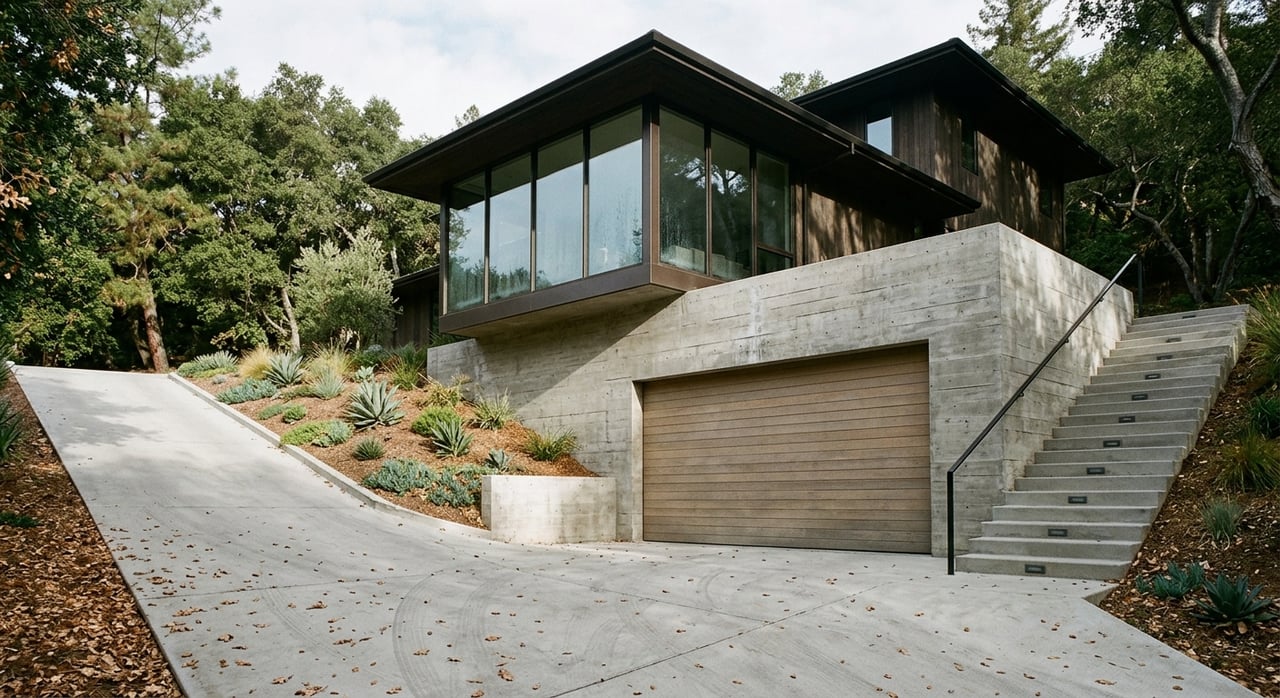
Hilltop is the Mar Vista pocket most closely associated with elevation and view-oriented housing. City planning materials identify a Mar Vista Hilltop area between Centinela and Inglewood from Charnock Road to National Boulevard, and the Mar Vista Community Council also lists a Hilltop Neighborhood Association. That gives the area a recognized place in the neighborhood map, even if the housing stock is less uniform than Westdale.
Market data here is thinner, which matters. Realtor.com’s Mar Vista summary shows only 5 homes for sale and 2 rentals in Hilltop, so any pricing read should be treated carefully. Small sample sizes can make one quarter or one listing set look more dramatic than the broader pattern really is.
What to expect from the housing mix
The market language around Hilltop suggests a more view-oriented and contemporary product mix, though that should be framed as an inference rather than a hard rule. In practical terms, this is the pocket where you are more likely to encounter modern rebuilds, larger remodels, and homes that emphasize outlook. If your priority is a stronger architectural contrast to the traditional tracts, Hilltop may be worth a closer look.
For buyers, this is where it helps to evaluate not just the finishes, but also siting, natural light, privacy, and the quality of the view relationship. For sellers, presentation matters because buyers in this segment often respond to spatial qualities and design decisions as much as raw numbers.
Streets Near Venice Boulevard
More active and mixed-use blocks
Not every Mar Vista block is quiet and interior-facing. Venice Boulevard is the main commercial corridor in the plan area, and city planning also identifies commercial clusters along Sawtelle, Sepulveda, Pico, and Culver. Newer mixed-use buildings have appeared along corridors such as Venice, National, Pico, Overland, and Motor in the 2010s and 2020s.
That means homes closer to these edges can feel more active and more connected to retail and daily services. For some buyers, that is a plus because it supports a more urban rhythm. For others, the quieter interior streets will feel like a better fit.
Historic commercial context matters too
Mar Vista also includes recognized commercial historic districts. The Venice-Grand View Commercial Historic District sits near Venice Boulevard and Grandview Avenue along the former Venice streetcar line, while Colonial Corners at National and Barrington is identified as a pedestrian-oriented commercial landmark. Those details add another layer to how certain blocks are experienced and marketed.
If you are comparing homes near these corridors, think beyond the house itself. The surrounding commercial fabric, traffic pattern, and building mix can shape value and lifestyle just as much as the architecture on the lot.
What Pricing Looks Like Across Mar Vista
Mar Vista is firmly a high-price Westside market, but the number changes depending on the metric. Redfin shows a median sale price of $1.824 million over the three months ending May 2026, Zillow shows a typical home value of $1.87 million as of May 31, 2026, and Realtor.com shows a median listing price of $2.497 million with homes selling at about 99% of asking. Across those measures, Mar Vista remains a multi-million-dollar market with relatively short market time.
The internal spread is where micro-neighborhood analysis becomes useful. Realtor.com shows South Mar Vista at a $2.399 million median listing price, Westdale at $2.2175 million, Westside Village at $1.595 million, and North Westdale at $1.295 million. That range is wide enough that broad neighborhood averages can hide important differences.
For context, Venice’s Redfin median sale price was $1.952 million over the same recent period, while Palms’ Zillow typical home value was $1.199 million as of May 31, 2026. In practical terms, Mar Vista sits between Venice and Palms in current pricing and density. It offers a lower-scale residential setting than denser nearby areas, while still competing in a premium Westside price bracket.
How to Choose the Right Pocket
If you are buying in Mar Vista with a design lens, start by matching your priorities to the right micro-neighborhood. For example:
- If you want mid-century modern significance, focus on the Gregory Ain tract and related preserved postwar pockets.
- If you want classic character homes, spend more time in The Oval and other early tracts with prewar styles.
- If you want contemporary homes or view orientation, look closely at Hilltop and elevated infill streets.
- If you want a quiet postwar residential pattern, Westdale and North Westdale are often the clearest fit.
- If you want more commercial adjacency and mixed-use energy, compare blocks near Venice Boulevard and other major corridors.
If you are selling, the same framework applies in reverse. The strongest marketing strategy usually starts with the right neighborhood story. In Mar Vista, buyers respond differently to a preserved mid-century enclave, an older character block, a tract-style residential pocket, or a corridor-adjacent home with a more active setting.
A design-forward read of Mar Vista is ultimately a clarity tool. It helps you separate style from substance, understand what you are actually paying for, and compare homes on the level that matters most: the block, the streetscape, and the built environment around you.
If you want help evaluating Mar Vista through that lens, John Iglar brings a design-focused, strategic approach to buying and selling Los Angeles homes.
FAQs
What are the main micro-neighborhoods in Mar Vista?
- Commonly referenced Mar Vista pockets include Westdale, North Westdale, Westside Village, Hilltop, South Mar Vista, West Mar Vista, and Mar Vista Neighbors, based on Mar Vista Community Council neighborhood and zone naming.
Where can you find mid-century modern homes in Mar Vista?
- The Gregory Ain Mar Vista Tract is the most recognized mid-century modern pocket, with 52 parcels designed in 1948 and protected as the city’s first post-World War II HPOZ.
Which part of Mar Vista has older character homes?
- The Oval Planning District is one of the clearest areas for older character homes, with an early subdivision pattern and nearby housing styles that include Craftsman, Neoclassical, Spanish Colonial Revival, and Tudor Revival.
What is Westdale known for in Mar Vista?
- Westdale is known as a postwar planned residential tract with one-story single-family homes, mature street trees, and uniform setbacks that create a cohesive neighborhood feel.
How expensive is Mar Vista compared with nearby areas?
- Recent data in the research report places Mar Vista between Venice and Palms in pricing and density, with Mar Vista remaining a multi-million-dollar Westside market overall.
Are homes in Hilltop different from other Mar Vista homes?
- Hilltop is generally associated with elevated streets, a more view-oriented feel, and a greater likelihood of contemporary rebuilds or larger remodels, though current market data there is based on a small sample.