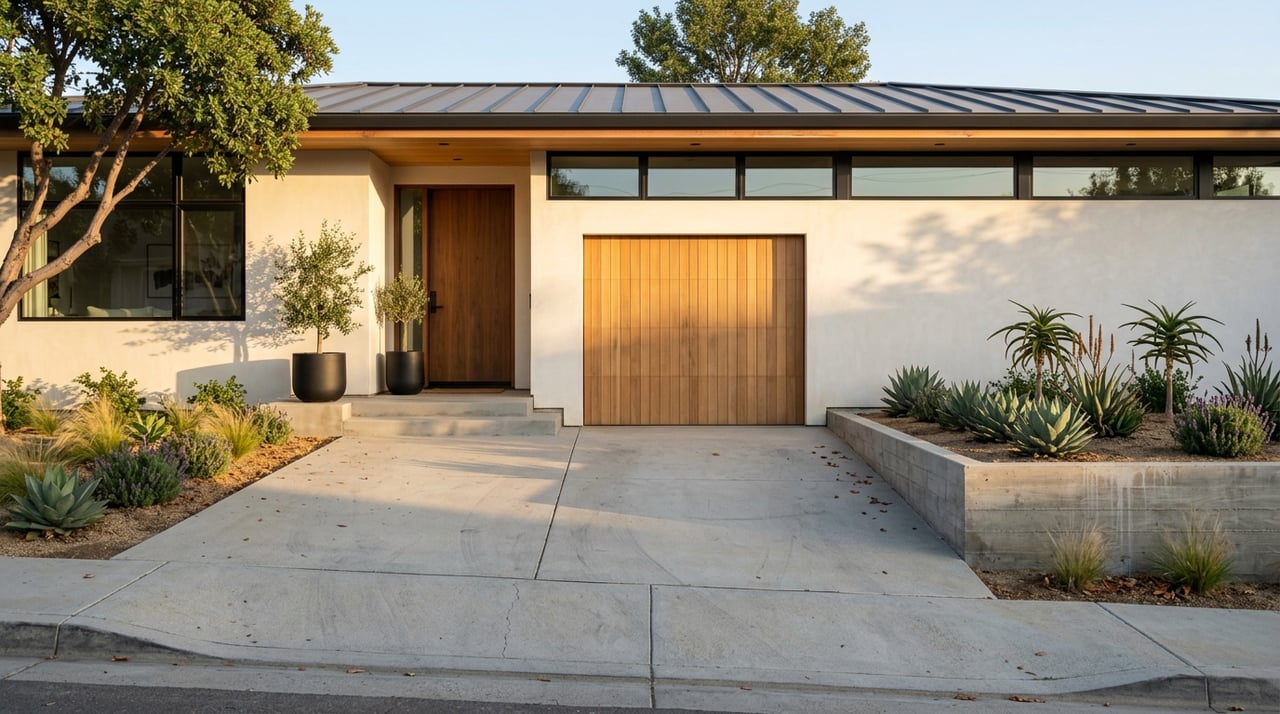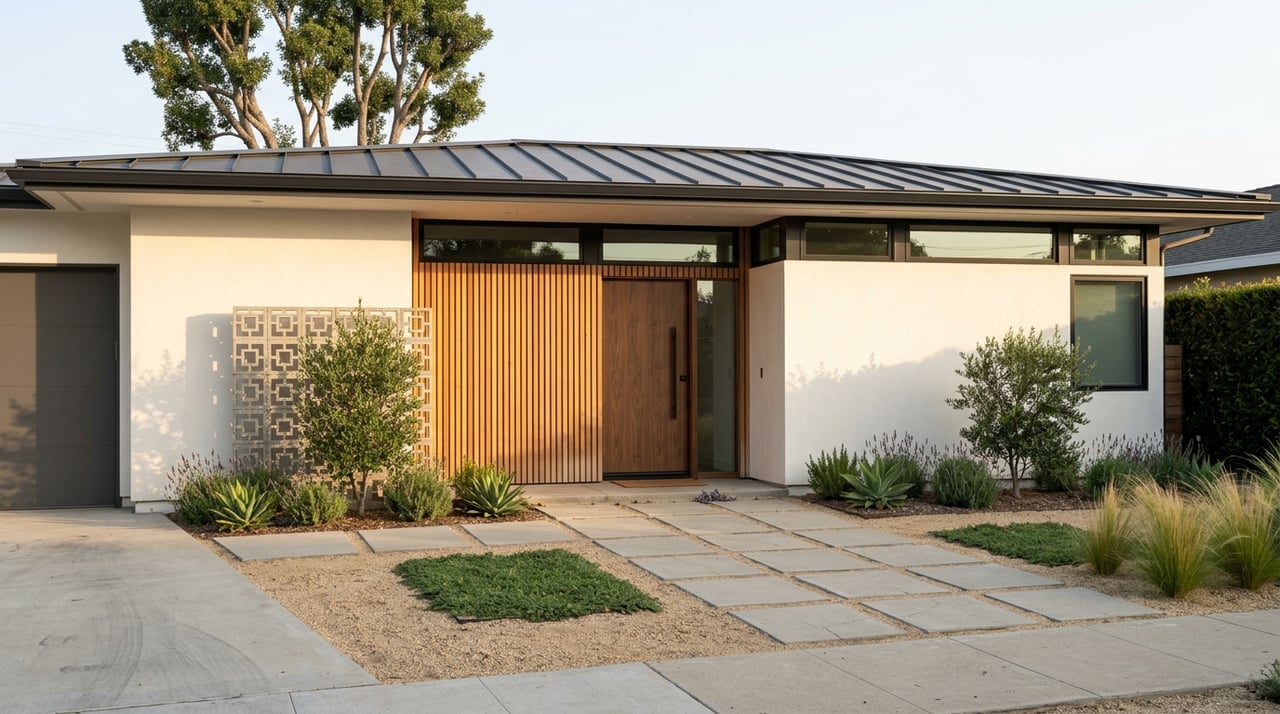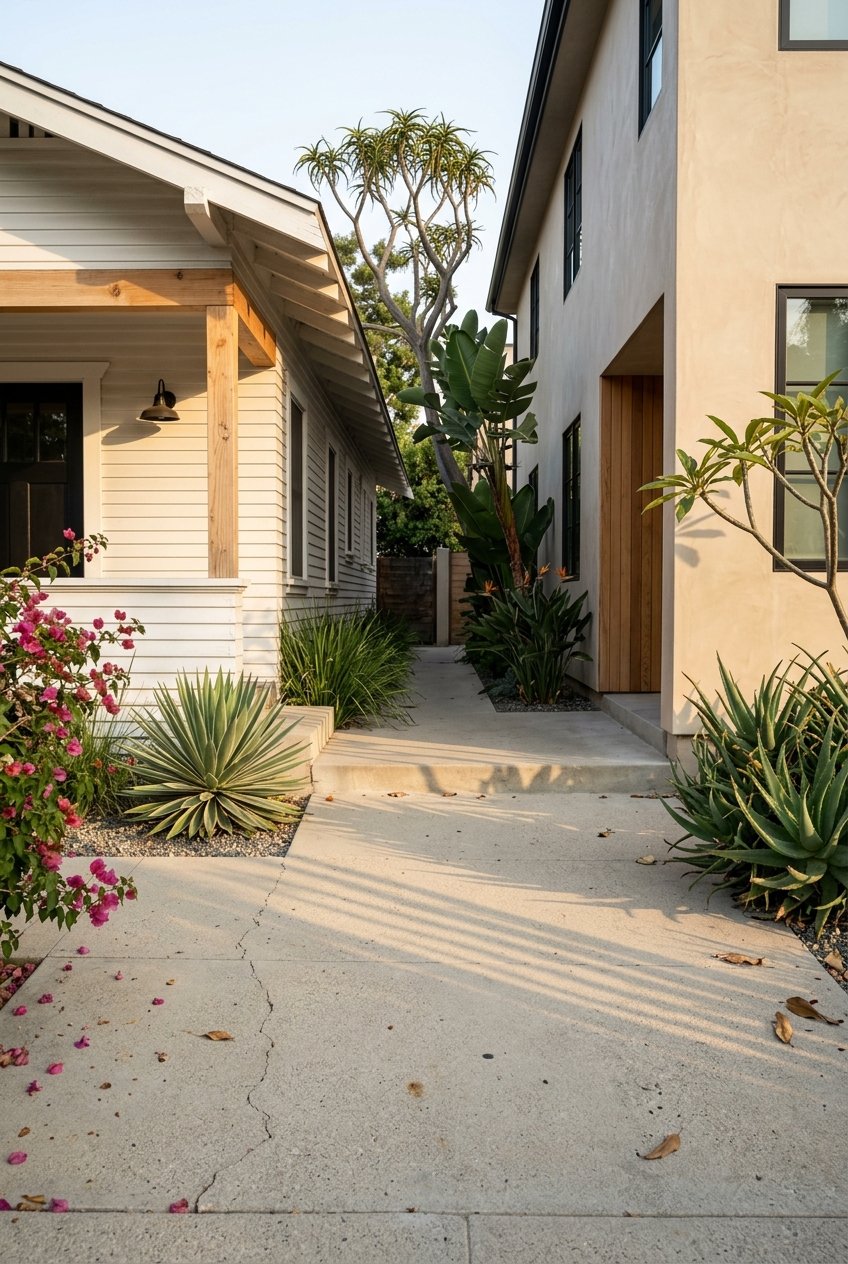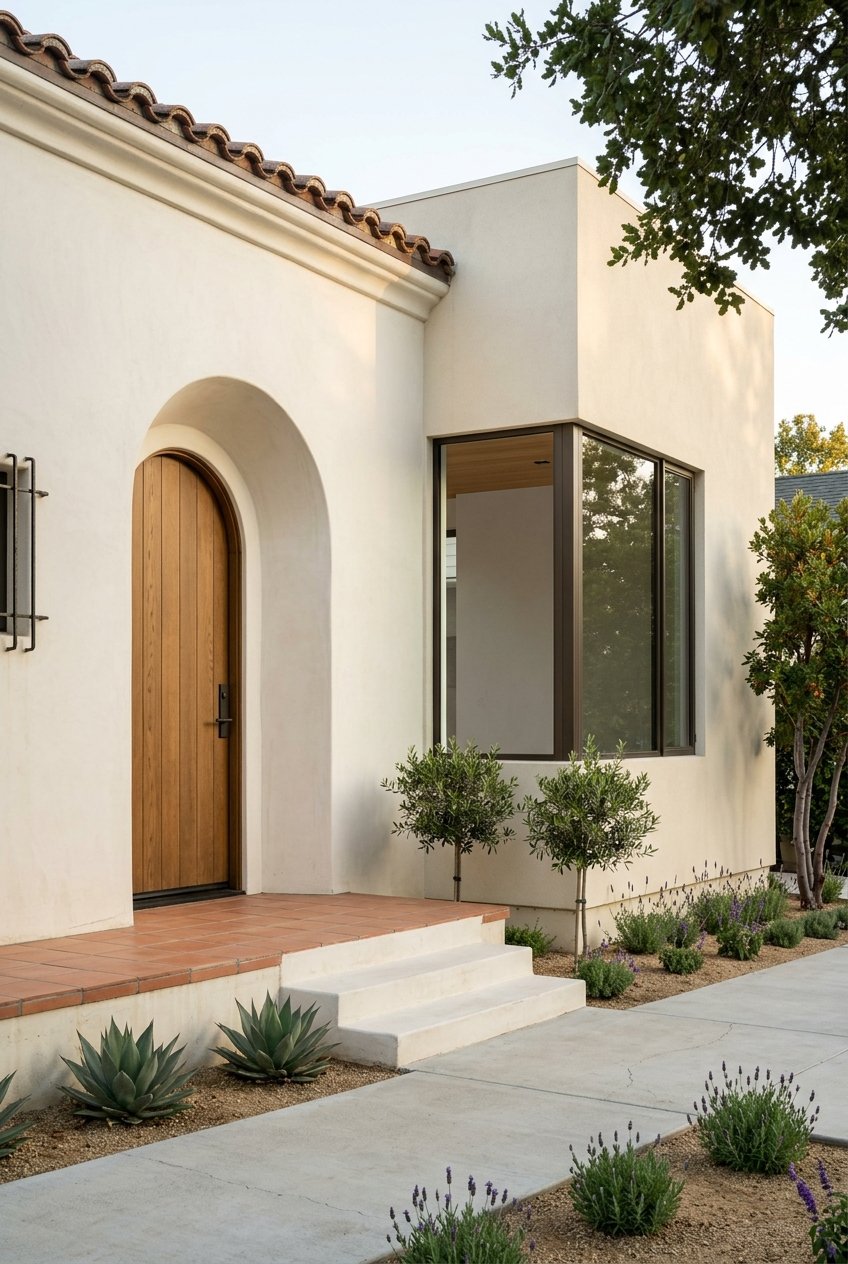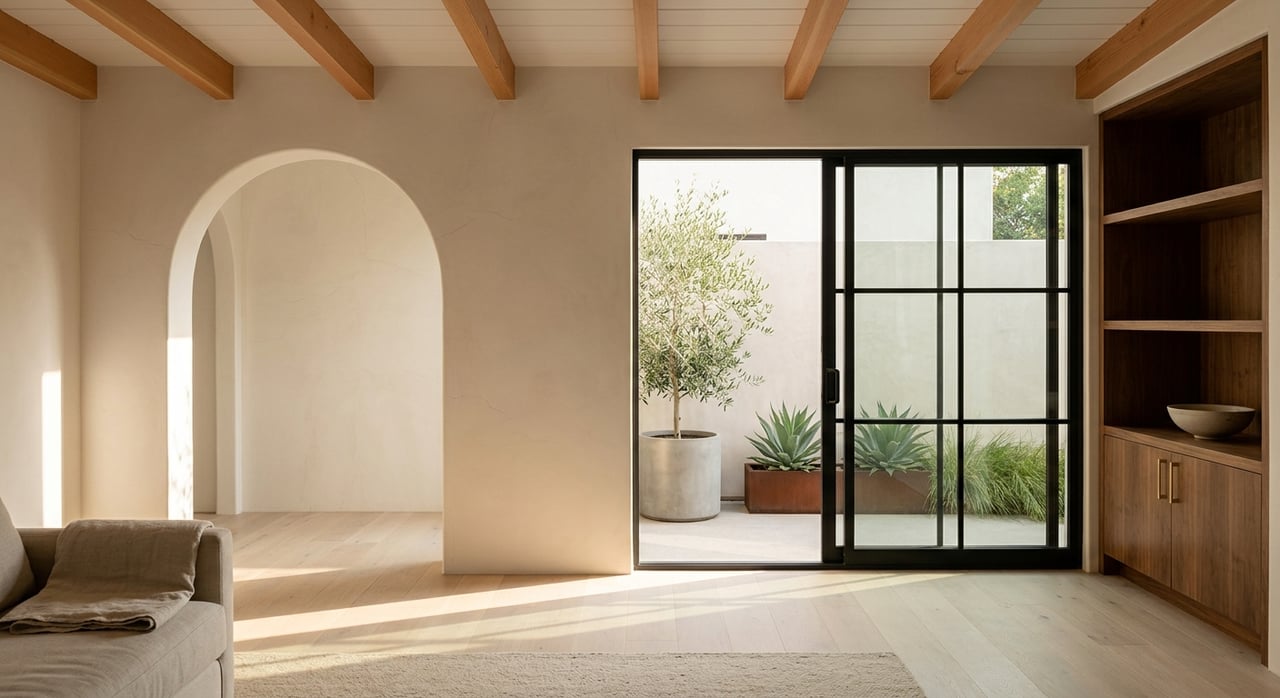
If you own an architectural home in Silver Lake, preparing it for sale is not the same as prepping a generic house. Buyers here often notice the details that make a home feel authentic, from original windows and built-ins to the way light moves through a room or how the house sits on a hillside lot. When you prepare thoughtfully, you can help buyers understand what makes your home special and why it deserves serious attention. Let’s dive in.
Silver Lake Is a Style-Driven Market
Silver Lake stands apart because its housing stock is unusually rich in architectural variety and significance. According to the City of Los Angeles SurveyLA work, the area includes notable concentrations of Period Revival, Early Modern, International Style, and Mid-Century Modern residences, along with multiple historic districts and planning districts.
That matters when you sell. In Silver Lake, buyers are often comparing homes not just by bedroom count or square footage, but by design integrity, original materials, lot quality, views, and how clearly the architecture still reads.
A hillside modern, a bungalow, and a newer contemporary home may all attract strong interest, but they are rarely judged by the same standards. Each one has its own value story, and your preparation should help that story come through clearly.
Lead With the Home’s Character
In a neighborhood known for design, character-defining features are part of the value proposition. Preservation guidance from the National Park Service emphasizes sustaining a property's existing form, integrity, and materials, with distinctive features preserved first.
For sellers, that means original windows, doors, built-ins, plaster, flooring, tile, fireplaces, hardware, and visible material transitions should not be treated like background noise. These details often help buyers connect emotionally to the home and understand its authenticity.
Local preservation examples reinforce this point. Places like the Maltman Bungalows, Silvertop, and the Morris Studio are recognized for features such as textured stucco, wood floors, built-in cabinetry, expansive glass, bold massing, and strong site response. In other words, Silver Lake appeal is often tied to light, materials, and design intent, not just size.
Start With a Feature Inventory
Before you paint, stage, or schedule repairs, take stock of what makes your home architecturally important. A feature inventory gives you a clear roadmap and helps you avoid removing or masking elements that buyers may actually value.
Start by photographing and listing key details throughout the house. Focus on features such as:
- Original windows and doors
- Built-in cabinetry and shelving
- Wood, tile, or other original flooring
- Stair rails and exposed structural elements
- Fireplaces and original hardware
- Plaster walls or ceilings
- View corridors and indoor-outdoor connections
- Slope-responsive design features on hillside lots
This step is practical, not sentimental. It helps you decide what to repair, what to highlight, and what should stay visible in photos and showings.
Repair Before You Replace
One of the most common mistakes in preparing an architectural home is replacing distinctive elements too quickly. Preservation guidance notes that historic windows and doors can often be repaired or upgraded, and replacement should usually be a fallback when deterioration is severe enough that repair is no longer practical.
That is especially important in Silver Lake, where buyers often respond to originality. If you swap out visible old-growth wood windows, period doors, or custom details for generic new products, the home can lose part of what made it compelling in the first place.
When replacement truly is necessary, visual consistency matters. The replacement should match the original in design, color, texture, and related visual qualities as closely as possible so the architecture still reads as cohesive.
Check Review Rules Before Exterior Work
Before making exterior changes, confirm whether your property falls within a local historic review area. The City of Los Angeles states that homes in an HPOZ are subject to an added layer of planning review for exterior work, including landscaping, alterations, additions, and new construction.
That means you should not assume a front-yard refresh, window swap, or exterior material change is routine. If your Silver Lake property is in an HPOZ, checking requirements early can save time, money, and last-minute complications before listing.
Even if your goal is simply to improve curb appeal, the smarter approach is to verify what is allowed first. A measured plan tends to protect both presentation and timeline.
Prep the Rooms Buyers Notice Most
Not every pre-listing dollar has the same impact. The 2025 Profile of Home Staging from NAR found that 83% of buyers’ agents said staging makes it easier for buyers to visualize a home, 29% said staging increased the dollar value offered by 1% to 10%, and 49% of sellers’ agents observed shorter time on market.
The same report found that the rooms most often staged were the living room, primary bedroom, dining room, and kitchen. For most Silver Lake architecturals, these are also the spaces where layout, natural light, and material character are easiest to appreciate.
That does not mean over-decorating. It means making the architecture easier to read.
Focus on clarity, not cover-up
If your home has strong original details, avoid staging choices that fight the architecture. Heavy furniture, trendy finishes, or too many accessories can distract from the windows, built-ins, ceiling lines, and spatial flow buyers came to see.
Instead, prioritize:
- Deep cleaning throughout the home
- Decluttering surfaces and storage areas
- Improving the front approach and curb appeal
- Brightening the main living spaces
- Creating simple furniture layouts that show scale and circulation
A good rule is simple: if a change helps buyers notice the home itself, it is likely useful. If it competes with the design, it may be worth rethinking.
Make Light and Space Read in Marketing
For a Silver Lake architectural, presentation does not stop with prep work inside the house. Photography, video, and virtual tour planning should be part of your listing strategy from the start.
NAR reports that buyers’ agents place high importance on photos, traditional staging, videos, and virtual tours. In a design-forward neighborhood, that means your media should do more than show clean rooms. It should communicate volume, light, materials, views, and indoor-outdoor flow.
Build the media plan around the architecture
Think about the moments that define your home. That might be morning light in the living room, a stair sequence, a wall of glass, an original tiled bath, or the way the house steps down a hillside.
These are not minor details. They help buyers understand why one home feels more compelling than another, even before they visit in person.
Price by Style, Integrity, and Lot Quality
Silver Lake market numbers provide useful context, but they are only a starting point. As of late June 2026, available market snapshots put Silver Lake roughly in the mid-$1 million range, with reported median sale prices around $1.4 million to about $1.53 million depending on the source, and median listing prices ranging from about $1.63 million to $1.795 million.
The figures vary because the sources use different methodologies and time windows. That is why neighborhood averages alone are not enough when pricing an architectural property.
A more accurate pricing strategy compares your home against relevant sales by:
- Architectural style
- Original integrity
- Renovation quality
- Lot size and usability
- Views and hillside setting
- Overall design appeal
In Silver Lake, authenticity can be a pricing variable. A well-preserved home with strong design identity may compete very differently from a similar-sized property with generic updates.
Why Nearby Neighborhoods Matter Too
Close-in LA neighborhoods can show meaningful pricing differences even within a short distance. June 2026 market snapshots cited nearby areas such as Echo Park, Franklin Hills, and Los Feliz at noticeably different price points and price-per-square-foot ranges.
That nearby-market spread reinforces an important point. Design, location, and buyer pool can shift value materially, so the right comp set should be tight and intentional.
If your home has architectural pedigree, original materials, or a uniquely strong site, those attributes should be reflected in how the property is positioned. A broad average may miss what buyers are actually paying for.
A Smarter Prep Plan for Silver Lake Sellers
When you prepare an architectural home well, you are not trying to make it look like every other listing. You are helping buyers see the design logic, craftsmanship, and originality that make the property stand out.
In practical terms, the strongest prep plan usually includes a documented feature inventory, careful repair decisions, clean and restrained staging, compliance checks for exterior work, and a media strategy built around light and detail. Pair that with pricing based on the right style-specific comps, and the home has a much better chance to connect with today’s buyers.
If you are thinking about selling a Silver Lake architectural and want a clear, design-aware strategy for prep, pricing, and positioning, John Iglar can help you build a plan that respects the home and speaks to the market.
FAQs
What matters most when preparing a Silver Lake architectural home for sale?
- The most important goal is to make the home’s architectural character easy to see. In Silver Lake, buyers often respond to original materials, natural light, layout, views, and overall design integrity.
Should you replace original windows before listing a Silver Lake character home?
- Not automatically. Preservation guidance says distinctive windows should be retained and repaired when possible, with replacement used mainly when deterioration is severe and repair is no longer practical.
How should you stage an architectural home in Silver Lake?
- Keep staging clean, simple, and supportive of the architecture. Focus on the living room, primary bedroom, dining room, and kitchen, and avoid furniture or decor that hides original details or interrupts spatial flow.
Do Silver Lake sellers need to check HPOZ rules before exterior updates?
- Yes, if the property is in an HPOZ. The City of Los Angeles says exterior work in an HPOZ, including landscaping and alterations, is subject to additional review.
How should you price a Silver Lake architectural home?
- Price it against similar homes by style, originality, lot quality, views, and renovation quality, not just neighborhood-wide averages. In Silver Lake, authenticity and design integrity can influence buyer demand and value.