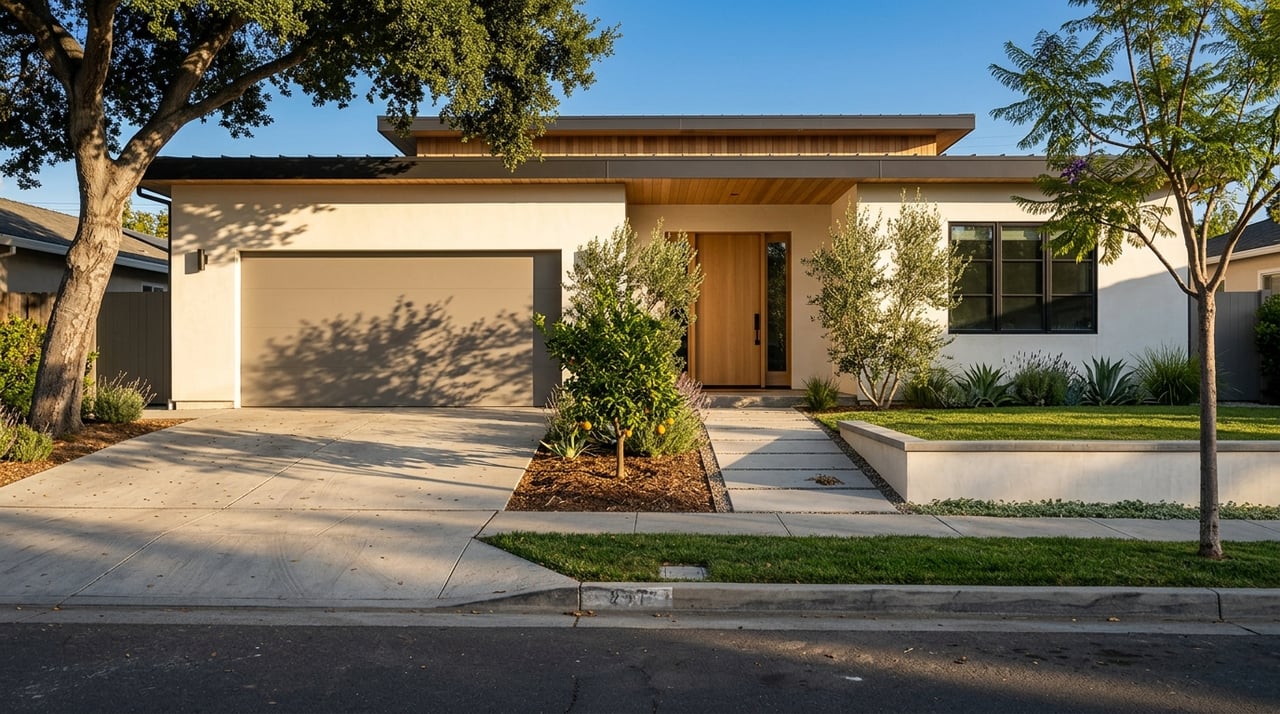
Thinking about leaving the Westside but not leaving Los Angeles behind? For many buyers, Sherman Oaks comes up at exactly that moment, when you want more space, a different daily rhythm, or a home with a stronger architectural point of view, but you still need practical access to the rest of the city. If you are weighing that move, it helps to understand not just where Sherman Oaks is, but how it actually lives day to day. Let’s dive in.
Sherman Oaks in the LA Map
Sherman Oaks is part of the Sherman Oaks-Studio City-Toluca Lake-Cahuenga Pass Community Plan area, and Los Angeles City Planning places it within a broader Valley context that is still closely tied to the rest of LA. SurveyLA describes the area as about eight miles west of downtown Los Angeles, which helps frame it as connected, not remote.
That matters if you are moving from the Westside. Sherman Oaks is still very much Los Angeles, but its physical layout is different. The city describes it as a mix of single-family and multi-family neighborhoods, with major commercial activity centered along Ventura and Sepulveda Boulevards.
Expect a Different Lifestyle Pattern
If you are used to a more coastal Westside routine, Sherman Oaks often feels like a lifestyle shift more than a simple address change. The area is organized around residential pockets, key commercial corridors, and hillside sections, rather than one uniform neighborhood pattern.
According to the community plan, Ventura Boulevard acts as a central commercial spine, while residential neighborhoods remain distinct from that corridor. In practice, that can mean your errands, dining, and shopping are often concentrated around a few familiar nodes instead of spread evenly across every block.
Homes in Sherman Oaks
One of the biggest reasons buyers consider Sherman Oaks is the housing mix. The area is not just about getting a bigger house. It is also about having more choice in house type, lot shape, and architectural character.
The city says most single-family homes are south of Ventura Boulevard in adjacent hillside areas, while many multi-family units are north of Ventura and along major arterials. The same plan notes that at least 68% of residential land should remain designated for single-family uses, which helps explain why so much of Sherman Oaks feels residential even though Ventura Boulevard stays active.
Flatland vs. Hillside Homes
This is one of the most important distinctions to understand before you buy. Flatland Sherman Oaks homes often sit on more typical suburban parcels, while hillside homes can come with larger or more irregular lots shaped by topography.
In a Sherman Oaks-area parcel review, surrounding single-family lots were said to average between 5,000 and 13,000 square feet, and the minimum lot area in the R1 zone was 5,000 square feet. The city also notes that hillside development is constrained by topography and often kept in more restrictive plan designations and zones, which can affect how those properties feel and function.
Architecture Has Real Variety
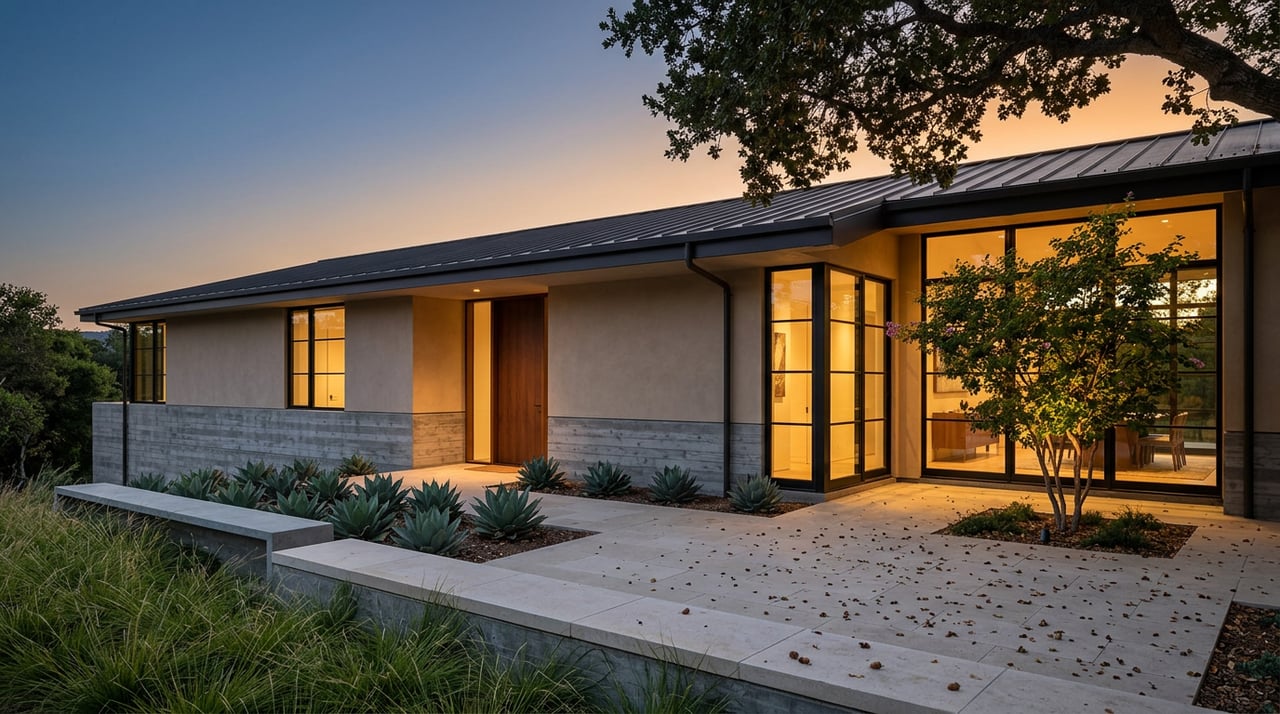
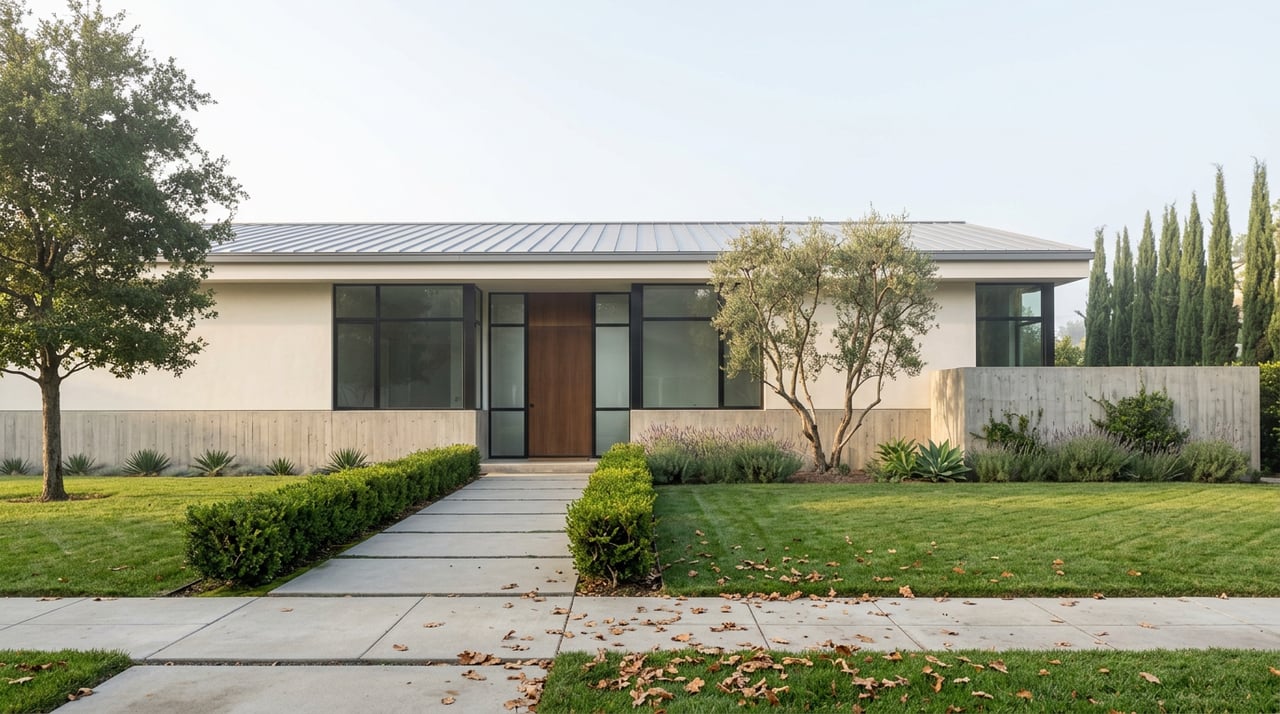
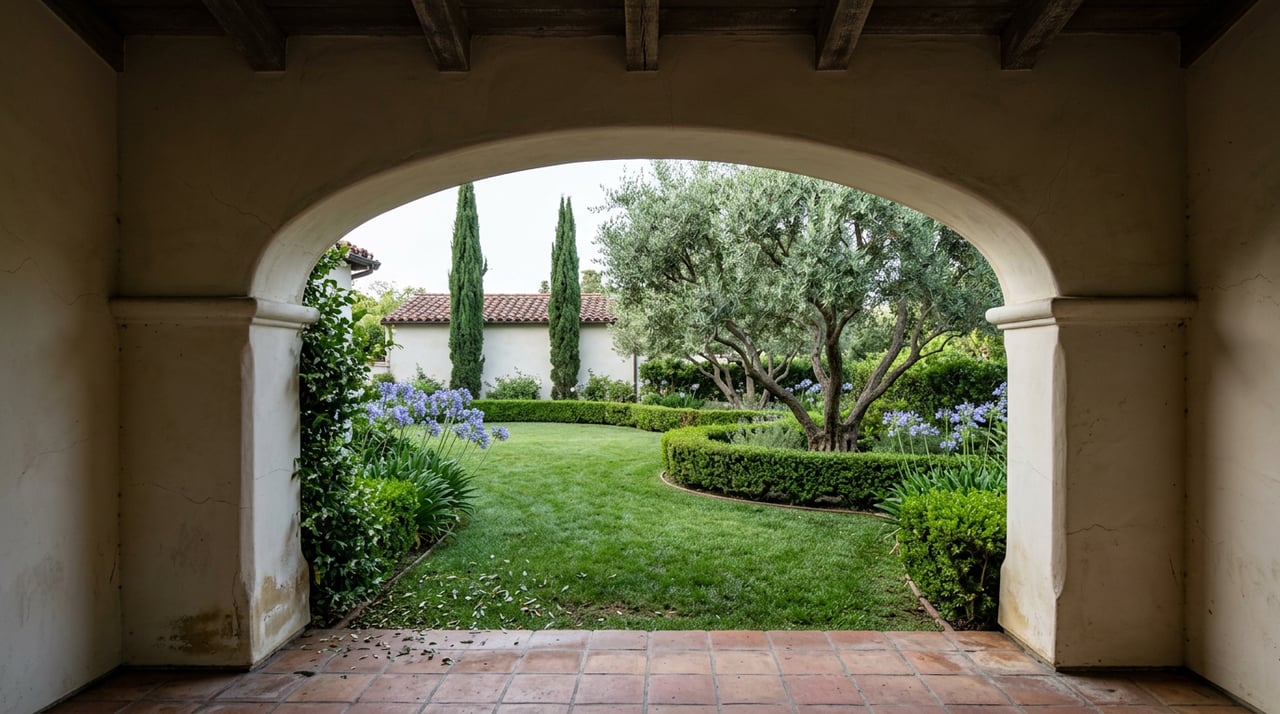
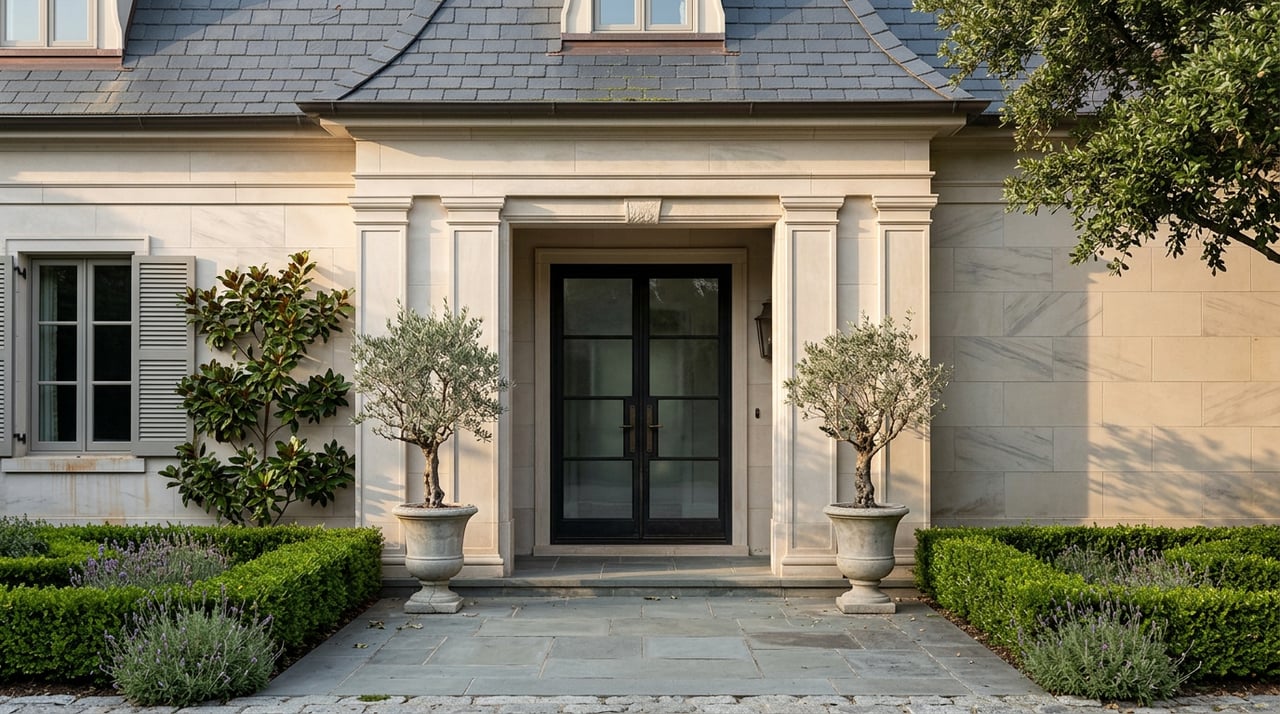
If design matters to you, Sherman Oaks has more texture than many buyers expect. SurveyLA says residences in the area typically date from the late 1920s through the 1960s, with styles that include American Colonial Revival, Spanish Colonial Revival, Tudor Revival, Streamline Moderne, Mid-Century Modern, and Late Hollywood Regency.
That range gives the neighborhood more personality than a generic suburban label suggests. The LA Conservancy highlights examples such as the Platform Houses on Oakfield Drive, Chase Knolls, Casa de Cadillac, and Mel’s on Ventura Boulevard, all of which help show the neighborhood’s layered architectural identity.
Cost Comparison With the Westside
For many buyers, the numbers are part of the reason this move becomes serious. Based on Realtor.com market snapshots, Sherman Oaks had a median listing price of $1,599,000 and $718 per square foot as of January 2026.
By comparison, Westside LA showed a median asking price of $3,149,500 and $1,126 per square foot as of December 2025. Those figures do not define every property, but they do support a common tradeoff: Sherman Oaks generally offers a lower price-per-square-foot profile, which may open the door to more interior space, a larger lot, or a different home type than what your budget would buy on the Westside.
Daily Life Around Ventura Boulevard
A move to Sherman Oaks usually changes your daily routine in practical ways. The Sherman Oaks Streetscape Plan calls for Ventura Boulevard to be unified, attractive, and more pedestrian-friendly, with street trees, sidewalks, lighting, landscaping, outdoor dining, and active ground-level retail.
That official planning vision aligns with how many people experience the area now. Sherman Oaks tends to feel boulevard-centered, with a strong commercial spine and quieter residential areas around it. If you are coming from the Westside, that can feel less beach-grid oriented and more corridor-based, which some buyers find easier for day-to-day routines.
Commuting Back to the Westside
This is usually the biggest question. Sherman Oaks is connected by the Hollywood, Ventura, and 101 Freeways, and the area relies heavily on major arterials such as Ventura Boulevard, Cahuenga Boulevard, Van Nuys Boulevard, Sepulveda Boulevard, and Lankershim Boulevard, according to the community plan.
For anyone still working in Westwood, Brentwood, Santa Monica, or nearby Westside hubs, the over-the-hill commute is a real part of the decision. The same plan focuses on the Sepulveda Boulevard, I-405, and US 101 connection, including lane and interchange improvements, which underscores how timing-sensitive that route can be.
When the Commute Works Best
Sherman Oaks often works best for buyers who are comfortable with freeway-dependent travel and who have some flexibility in when they leave. That is an inference based on the area’s freeway network and planning emphasis on congestion points, not a fixed city commute statistic.
If your workweek is hybrid, your office hours are flexible, or you do not need to be on the Westside every day, Sherman Oaks may feel much easier to manage. If you need a rigid peak-hour commute five days a week, it is worth evaluating that pattern carefully before you buy.
How to Think About the Tradeoffs
The smartest way to compare Sherman Oaks with the Westside is not to ask which one is better. It is to ask which one fits your priorities now.
Here are a few of the most common tradeoffs buyers weigh:
- Space vs. proximity: Sherman Oaks may offer more space for the money, while the Westside may keep you closer to coastal job centers and routines.
- Home type vs. neighborhood pattern: Sherman Oaks offers flatland single-family homes, hillside view properties, and multi-family options near key corridors.
- Corridor living vs. coastal rhythm: Daily life in Sherman Oaks often revolves around Ventura Boulevard and a few major nodes.
- Architecture vs. uniformity: Sherman Oaks has meaningful variety in architectural style, especially for buyers who care about design and period character.
Who Usually Likes This Move
This move tends to appeal to buyers who still want Los Angeles access but want a different balance of home, lot, and budget. It can also make sense if you value architecture and want more options across traditional, mid-century, and hillside properties.
It is especially worth a closer look if you are trying to answer questions like these:
- Do you want more interior square footage?
- Would a larger or more usable lot improve your day-to-day life?
- Are you open to a boulevard-centered routine instead of a coastal one?
- Can your work schedule handle an over-the-hill commute more strategically?
- Do you care about finding a home with stronger architectural character?
Make the Move With a Clear Plan
Relocating from the Westside to Sherman Oaks is rarely just about saving money or getting more space. It is usually about choosing a new version of Los Angeles living, one with different tradeoffs, different home types, and a different daily rhythm.
The key is to compare properties in the right way. A flatland traditional, a hillside mid-century, and a condo near Ventura Boulevard can all deliver very different experiences, even within the same neighborhood. If you want thoughtful guidance on how to evaluate those options and make a confident move, John Iglar can help you approach the decision with clarity and strategy.
FAQs
What should Westside buyers know about Sherman Oaks housing?
- Sherman Oaks offers a mix of single-family homes, hillside properties, and multi-family housing, with many single-family homes south of Ventura Boulevard and more multi-family properties along major arterials.
How does Sherman Oaks compare to the Westside on price?
- Based on Realtor.com snapshots cited above, Sherman Oaks had a median listing price of $1,599,000 and $718 per square foot, compared with Westside LA at $3,149,500 and $1,126 per square foot.
What is daily life like in Sherman Oaks compared with the Westside?
- Daily life in Sherman Oaks is often centered around Ventura Boulevard, where retail, dining, and services cluster, with quieter residential neighborhoods around that commercial spine.
What kinds of architecture can buyers find in Sherman Oaks?
- SurveyLA identifies styles including American Colonial Revival, Spanish Colonial Revival, Tudor Revival, Streamline Moderne, Mid-Century Modern, and Late Hollywood Regency.
What should commuters consider when moving from the Westside to Sherman Oaks?
- Buyers should pay close attention to over-the-hill travel patterns, especially routes tied to Sepulveda Boulevard, I-405, and US 101, because commute timing can shape the day-to-day experience.