Imagine stepping off a small wooden footbridge, hearing water lap against a seawall, and feeling the ocean breeze as you head to coffee on Abbot Kinney. If you love great design and a walkable lifestyle, living near the Venice Canals can feel like Los Angeles on a more human scale. At the same time, it comes with real tradeoffs around price, parking, and coastal considerations. In this guide, you’ll get a clear view of daily life by the canals, the homes you’ll find, realistic costs, and smart steps to take before you buy. Let’s dive in.
What sets the canals apart
The Venice Canals are the living remnant of Abbot Kinney’s 1905 “Venice of America” vision. The remaining canal district is listed on the National Register of Historic Places and recognized by the City of Los Angeles as a Historic-Cultural Monument. That protected status reflects a unique place that was rehabilitated and reopened in the early 1990s as a pedestrian-focused residential enclave connected to the tidal system. You can read the formal historic description in the National Park Service’s listing for the Venice Canal Historic District.
The setting is intimate and low-scale, with narrow lots, footbridges, and landscaped edges. You feel close to the water and to your neighbors. From most canal blocks, the beach is typically a 5 to 15 minute walk, depending on your exact location.
Architecture in layers
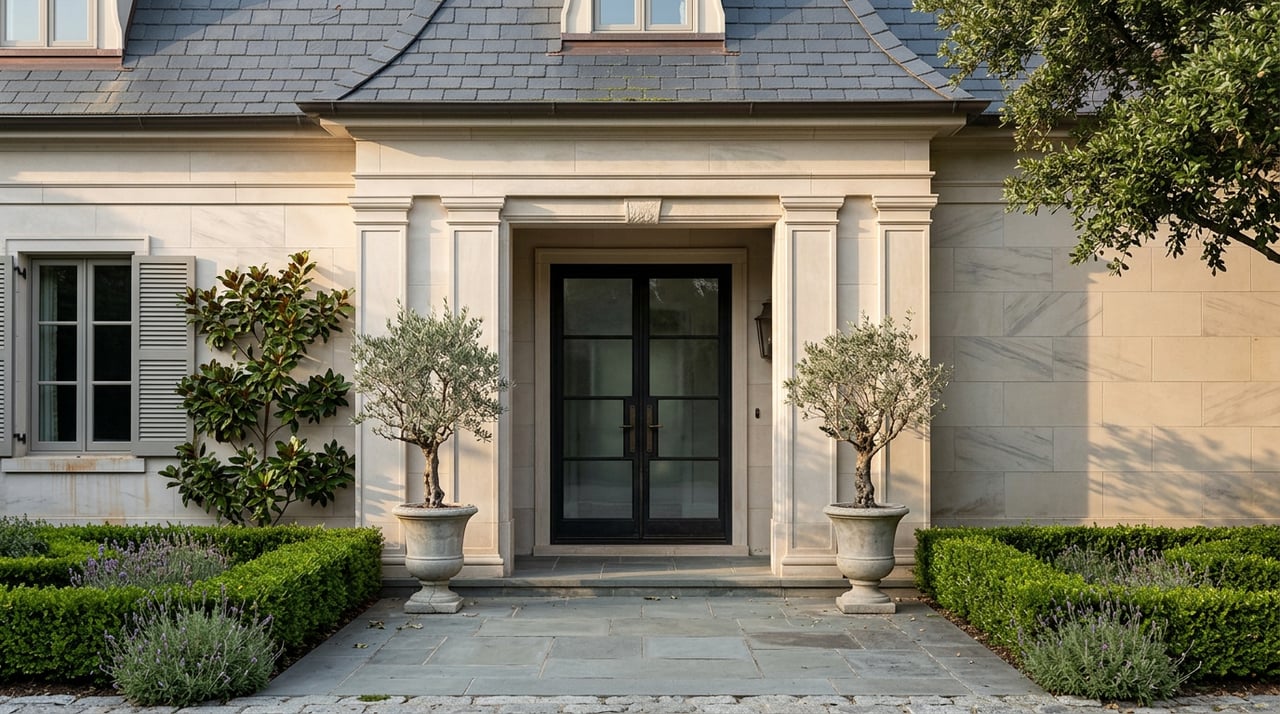
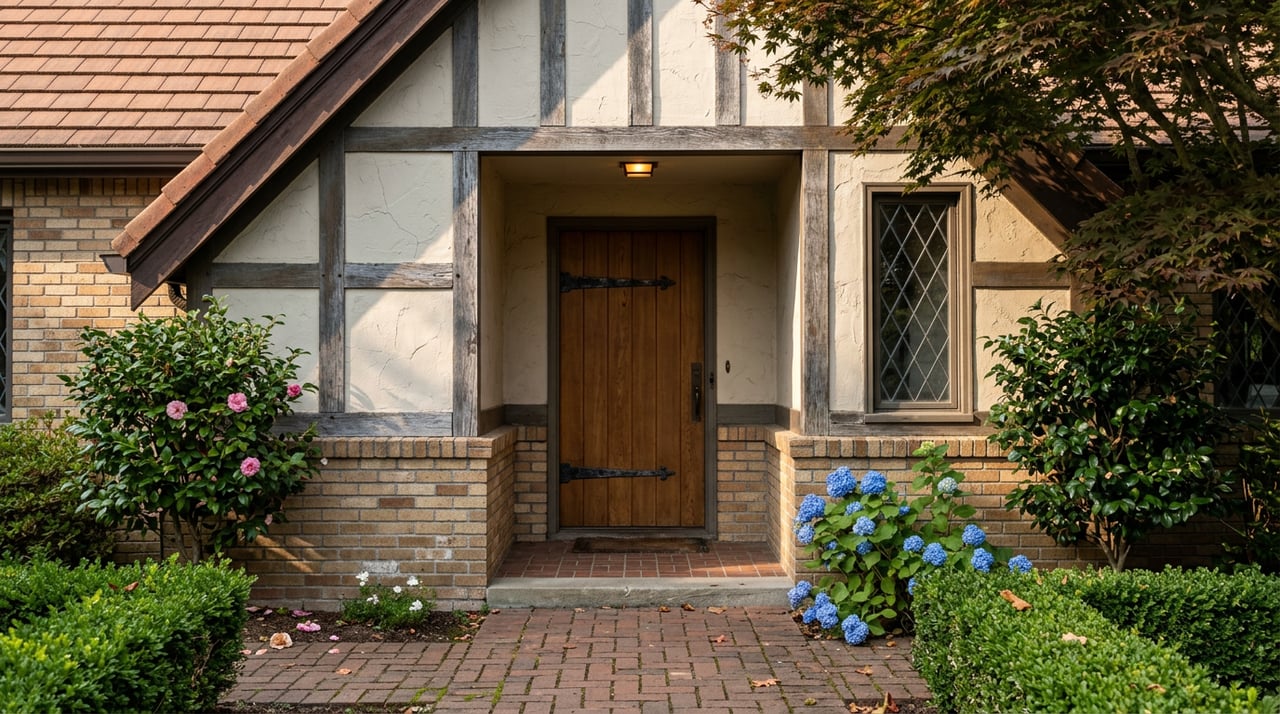
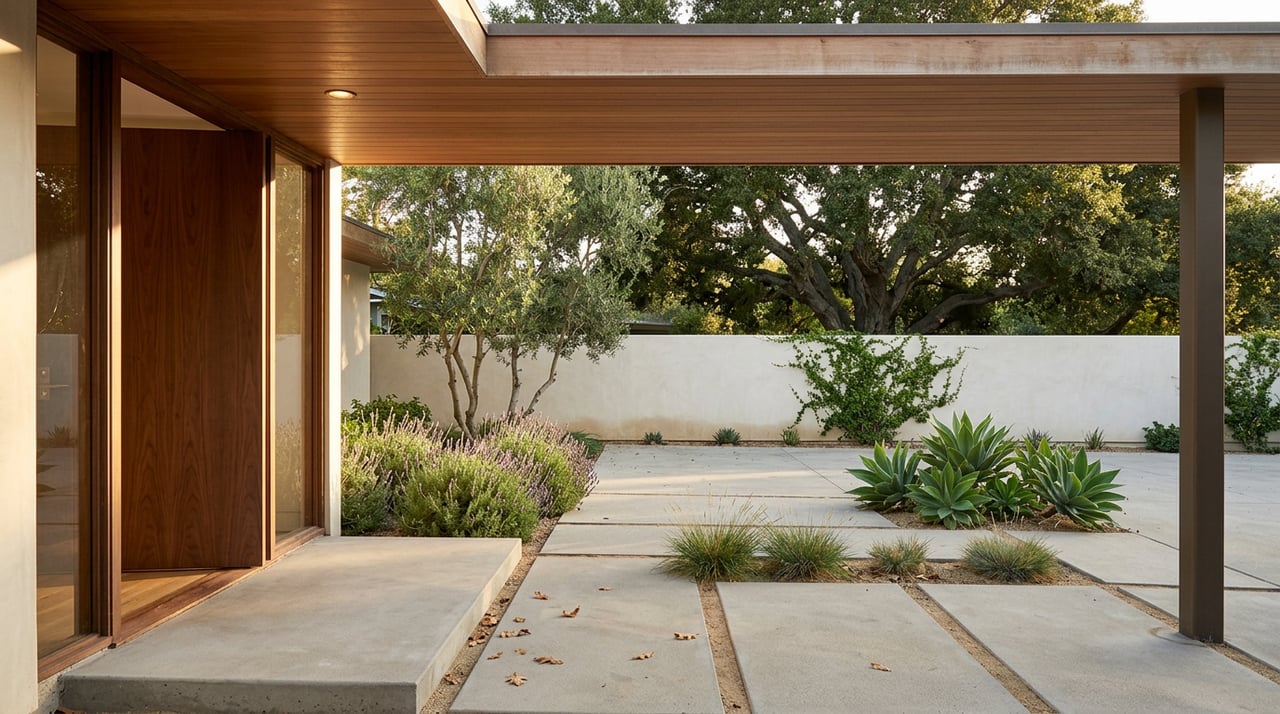
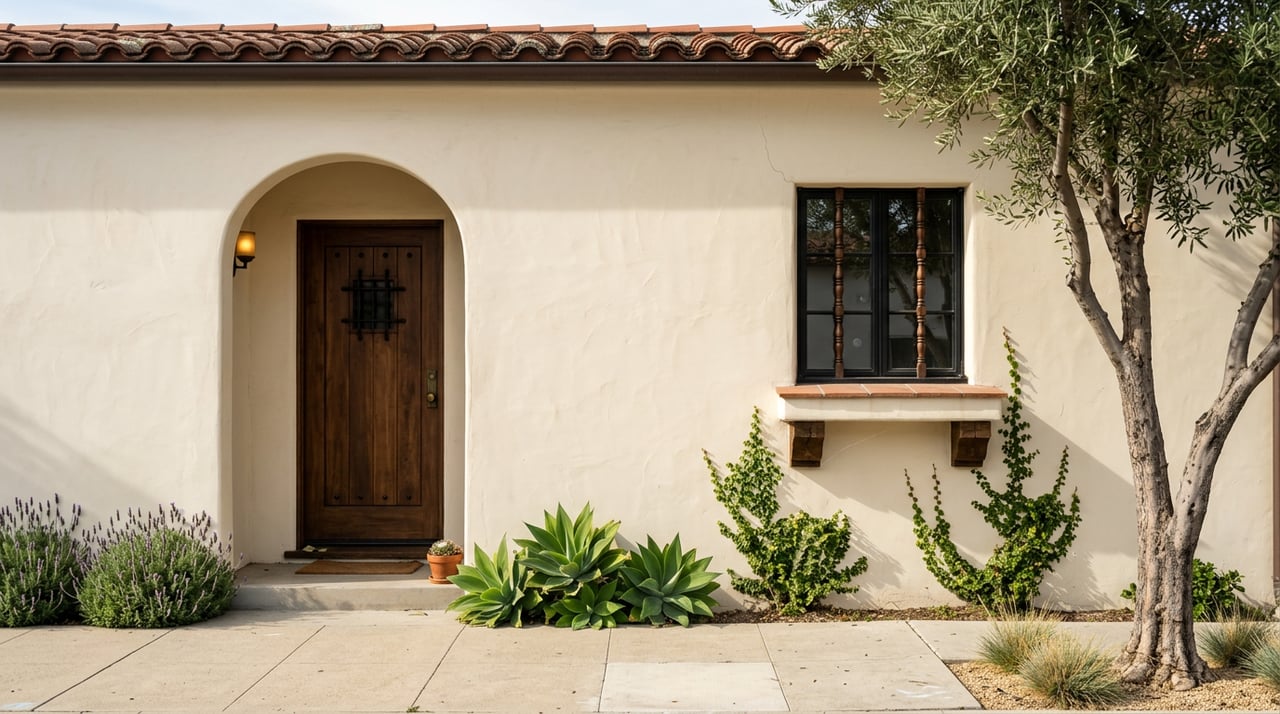
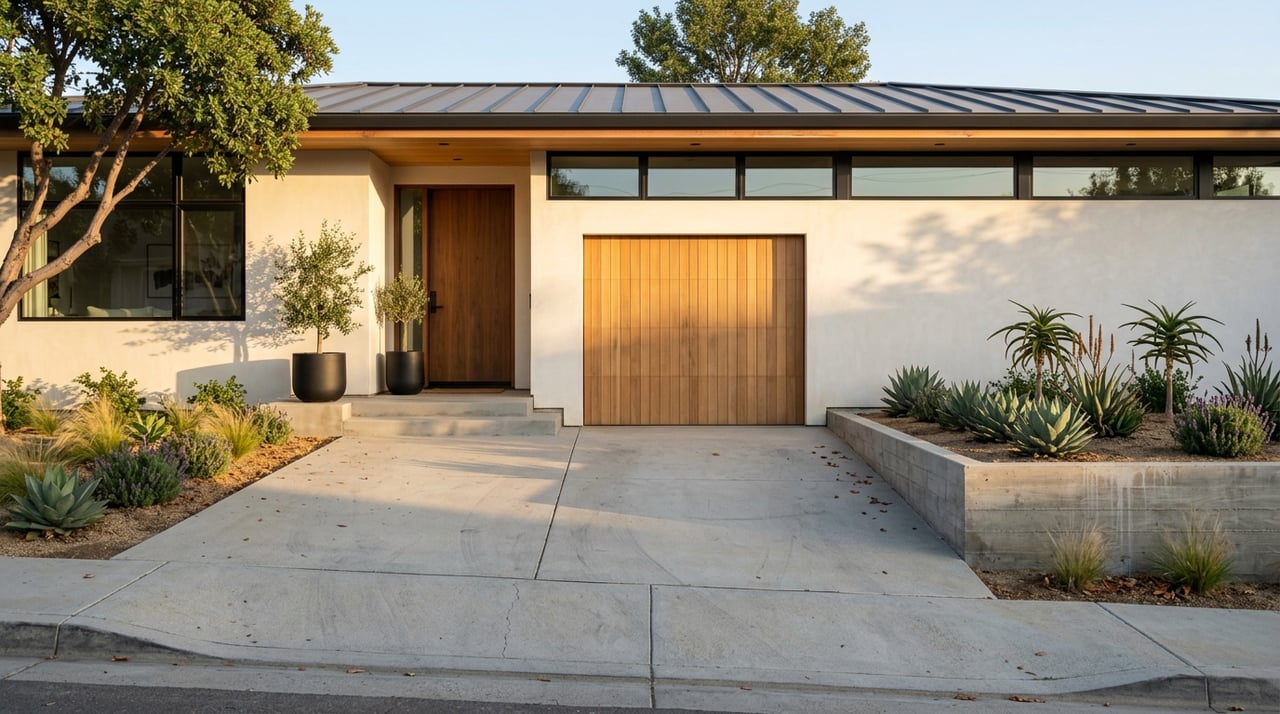
On a short walk you’ll see early 20th century bungalows and Spanish or Mission Revival homes, modest post‑war houses, and contemporary renovations. Planning and historic materials describe the canals as showing “all phases of twentieth‑century domestic architecture,” which tracks with what you’ll see day to day. That range is a big part of the canals’ design appeal.
Daily life and walkability
Walk, bike, and commute
Venice ranks among Los Angeles’s most walkable neighborhoods, and Abbot Kinney often posts Walk Scores in the 90s at the address level. The coastal bike network, including the Marvin Braude Bike Trail known as The Strand, is a daily-use amenity for many residents who run, ride, or stroll along the water. Regional transit here is primarily bus-based, with LA Metro, Santa Monica’s Big Blue Bus, and Culver City Bus providing connections. There is no direct rail stop in the neighborhood.
- Check the high walkability around Abbot Kinney on Walk Score.
- Get a feel for The Strand’s easy access on Discover Los Angeles’s trail overview.
Abbot Kinney as your town center
Abbot Kinney functions as the neighborhood’s design-and-dining spine, with a mix of boutiques, studios, and restaurants that draws locals and visitors alike. Coverage often highlights its evolution and ongoing pull as a curated retail street. Restaurant lineups change, but long-running fixtures help anchor the boulevard’s identity, like Gjelina on Abbot Kinney.
- Read a thoughtful take on the street’s reputation in Forbes’s look at Abbot Kinney’s evolution.
- See recent culture and retail coverage tied to pop-ups and events in the Los Angeles Times.
- Explore an anchor restaurant’s info page at Gjelina.
Crowds and calm
Weekends, especially in summer, bring very high visitation to Venice Beach. City planning documents cite quarter‑million plus visitors on a typical summer weekend, which you will feel near the boardwalk and along key corridors. Canal blocks are quieter and intentionally pedestrian-scaled, but they are not entirely insulated from visitor energy, especially on peak days.
Housing and price reality
Expect Venice to sit at the top tier of Los Angeles pricing. According to Redfin’s February 2026 neighborhood snapshot, the median sale price in Venice is about 2.0 million dollars. Canal-front properties and thoughtfully renovated larger homes often command a significant premium.
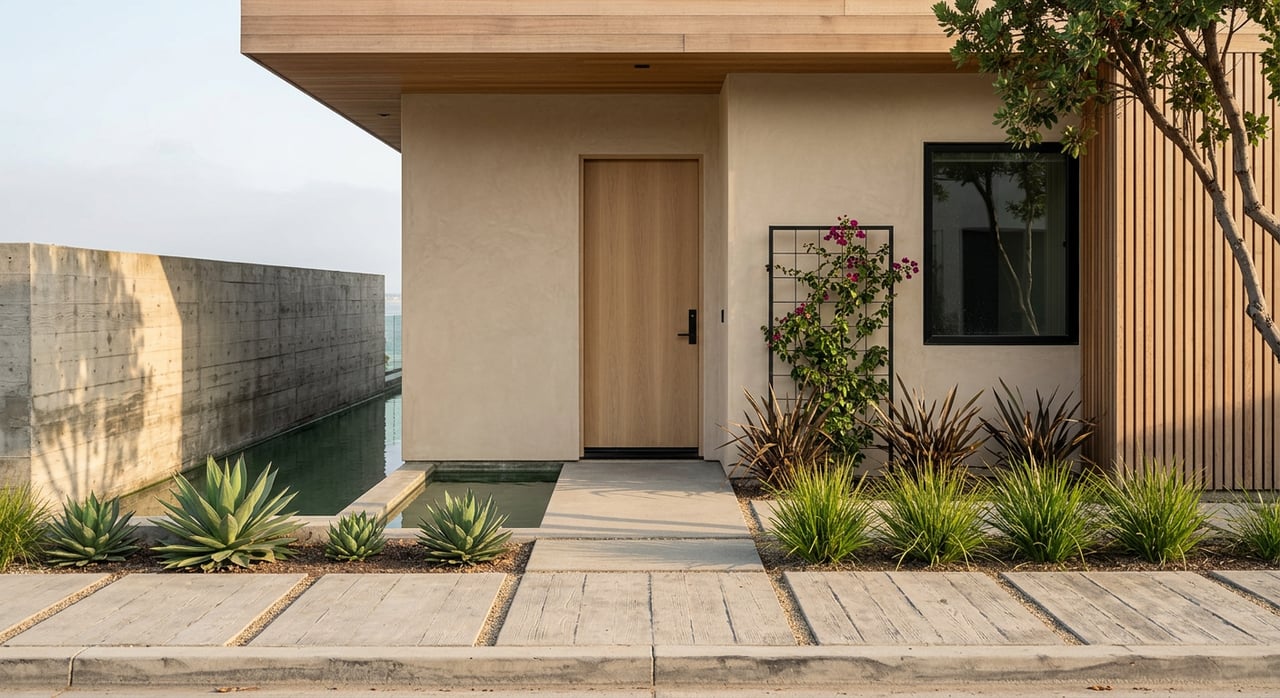
Homes by the water are usually on narrow lots with small yards or terraces. Many have custom seawalls or steps and unique maintenance needs because of proximity to the canals. If you plan to renovate, remember that historic-district status and coastal zoning can influence design choices and permitting timelines.
Everyday tradeoffs to consider
Parking and traffic
Venice’s coastal popularity means parking can be tight in parts of the neighborhood. City planning materials flag constrained on-street parking and seasonal spikes in use. If you own a car, budget time for guest parking and deliveries, and learn the rhythm of street cleaning and nearby lot hours.
Noise and tourism
If you live within a block or two of the boardwalk or Abbot Kinney, you’ll feel the buzz at peak times. Street activity, festivals, and evening dining hours can bring sound and foot traffic. The canals are notably calmer, but it is still an urban beach environment. A simple but effective step is to walk your target block on a weekday morning, a weekend afternoon, and an evening.
Public space context
Public safety and homelessness are citywide issues that shape some public spaces in Venice, particularly near the boardwalk and certain commercial stretches. For policy context on how Los Angeles has approached encampments and enforcement in recent years, review Human Rights Watch’s reporting. Your day-to-day experience can vary by micro-location and time of day, so firsthand observation is important.
Coastal and flood risks
Sea-level rise, coastal erosion, and flood vulnerability are active planning topics for Venice. The City is updating its Local Coastal Program and cites a Venice-specific sea-level rise vulnerability assessment. Future infrastructure decisions, insurance availability, and permitting near the shoreline and canals may be influenced by these policies, so it is wise to verify a property’s flood zone and discuss risk mitigation early.
A morning in the canals
Picture an early walk as light filters across the water. You pass timber bridges and small gardens, catch the scent of salt air, and hear bikes whirring toward The Strand. A few minutes later, you are on Abbot Kinney for coffee and a quick grocery run. Late afternoon brings a stroll on the boardwalk or pier, then back to a courtyard or terrace as the canals glow at golden hour. If you value tactile, day-to-day beauty and a compact routine, this neighborhood delivers.
Smart buyer checklist
- Confirm flood zone and insurability for the specific property. Get clarity on premiums, lender requirements, and any mitigation steps.
- Understand the historic and coastal overlays. Ask your agent and design team how the district and coastal permits affect your renovation scope and timeline.
- Map your routine. Time the actual walks to The Strand and Abbot Kinney. From most canal blocks, expect about 5 to 15 minutes to the sand.
- Test the block at different times. Visit weekday morning, weekend afternoon, and an evening to feel traffic, sound, and visitor patterns.
- Evaluate parking, loading, and deliveries. Note garage size, curb cuts, street cleaning days, and guest options.
- Inspect canal-facing elements. If applicable, review seawalls, steps, drainage, and any maintenance records with a qualified professional.
- Plan your commute and errands. Bus connections are available, but many daily needs are covered on foot or by bike.
Work with a design‑savvy guide
Buying by the canals is about more than falling in love with a view. It is a balance of architecture, lifestyle, market data, and coastal realities. If you want a clear, design-forward perspective on a specific home’s strengths and tradeoffs, reach out. I help clients understand how a property works, what the numbers say, and how to navigate permits and preparation with confidence.
If you are considering a move near the Venice Canals, connect with John Iglar for thoughtful, data-backed guidance tailored to your goals.
FAQs
How close are the Venice Canals to the beach?
- From most canal blocks, you can usually reach the sand in about 5 to 15 minutes on foot, depending on your exact location.
What architectural styles are common by the canals?
- You will find early 20th century bungalows and revival styles, post‑war houses, and modern updates, reflecting a full spectrum of 20th century domestic architecture.
Is a car necessary if you live near the canals?
- Many daily routines are walkable or bikeable thanks to the Strand and Abbot Kinney. A car can still be convenient for some errands and regional trips.
What is the typical home price in Venice right now?
- As of February 2026, Redfin reports a median sale price around 2.0 million dollars for Venice, with canal-front and larger renovated homes trading higher.
Are canal blocks quieter than the boardwalk?
- Yes, canal streets are intentionally pedestrian-scaled and generally quieter, though peak weekend visitation in Venice can still bring some spillover.
What should buyers know about permits near the canals?
- Historic-district status and coastal zoning can shape design choices and timelines, so review the process early with your agent and design team.