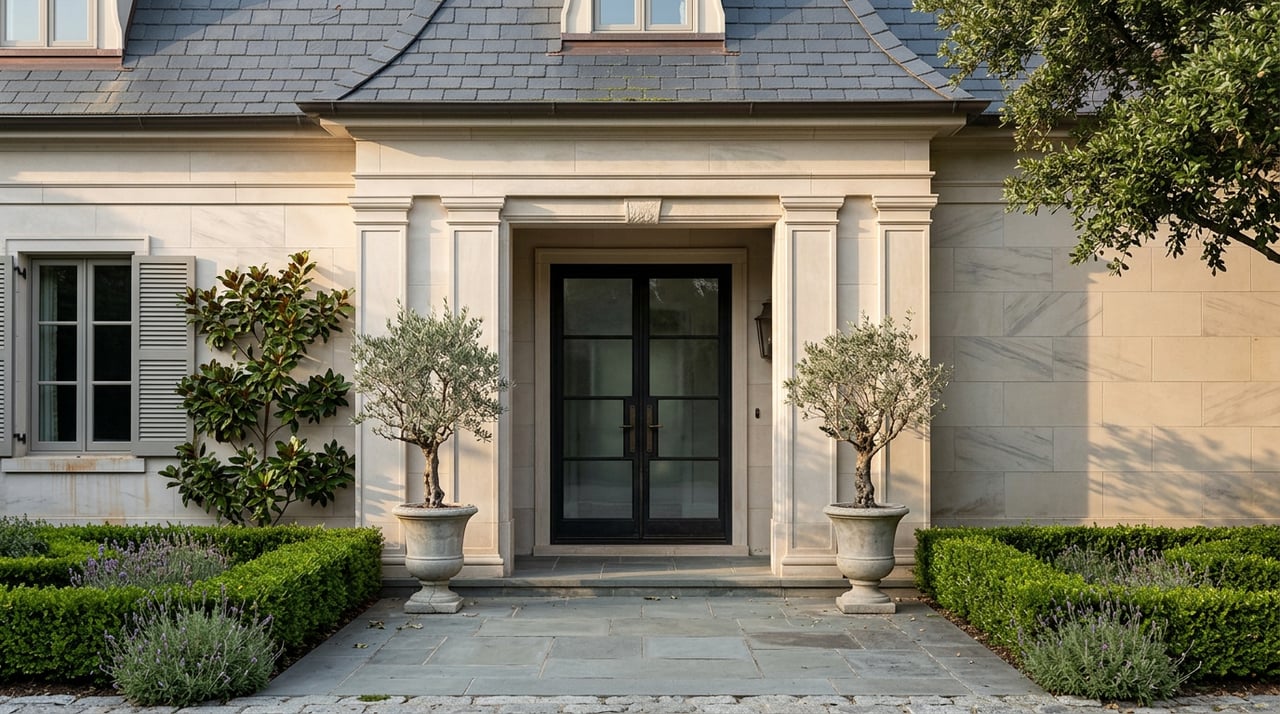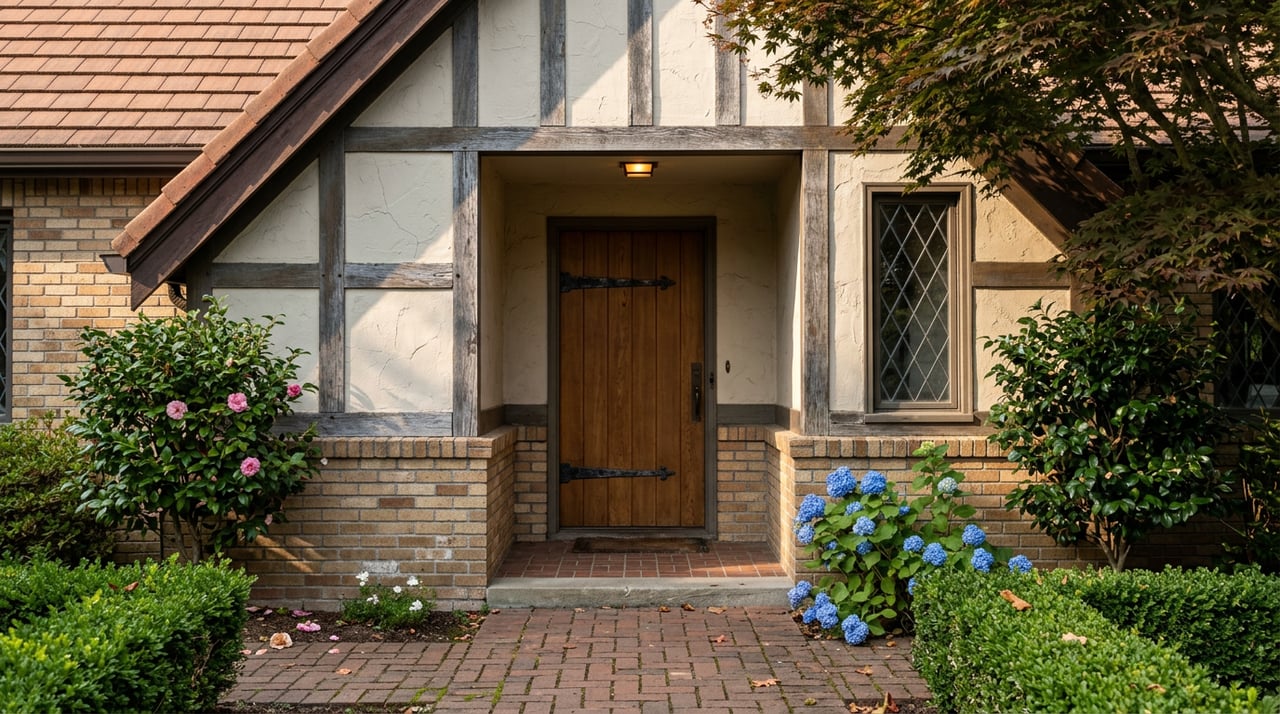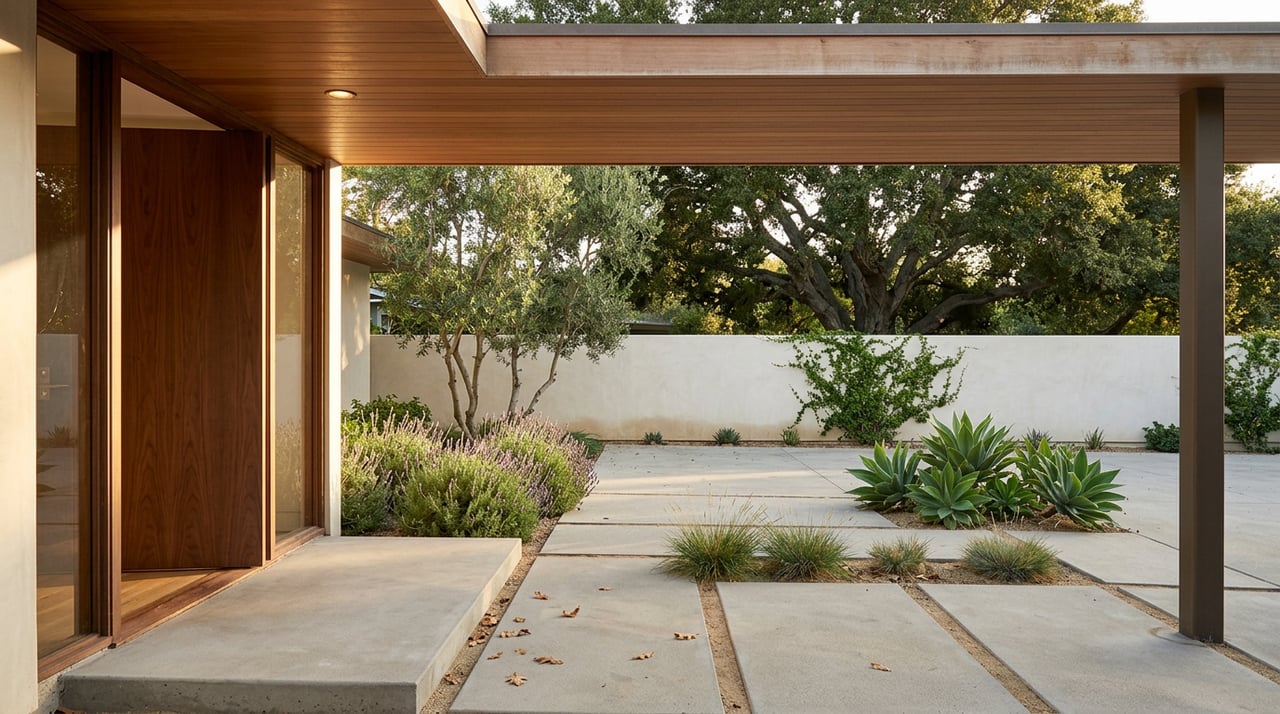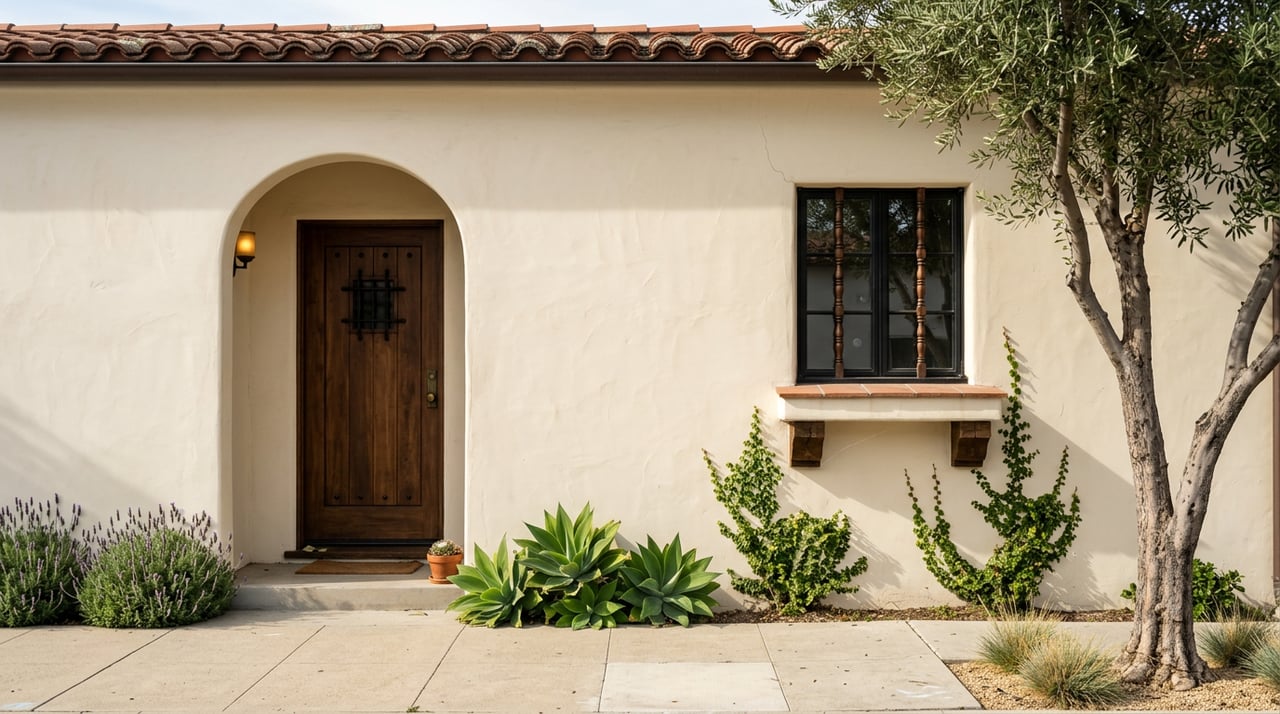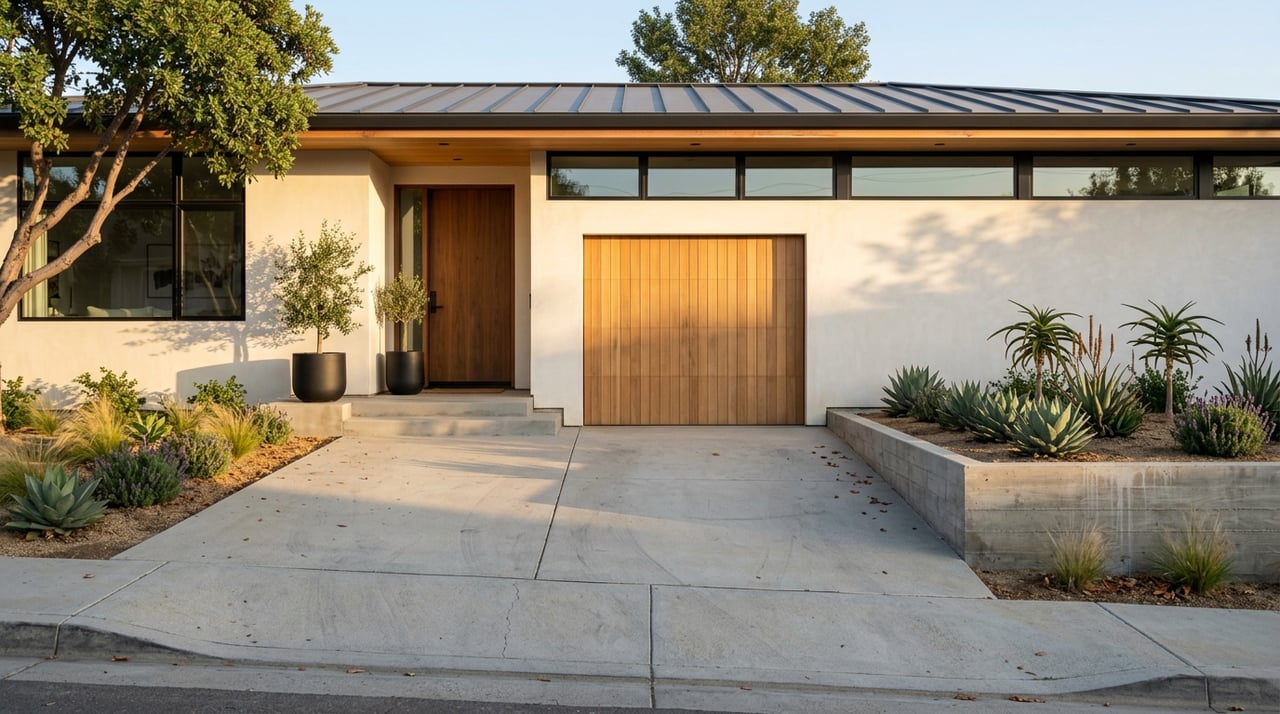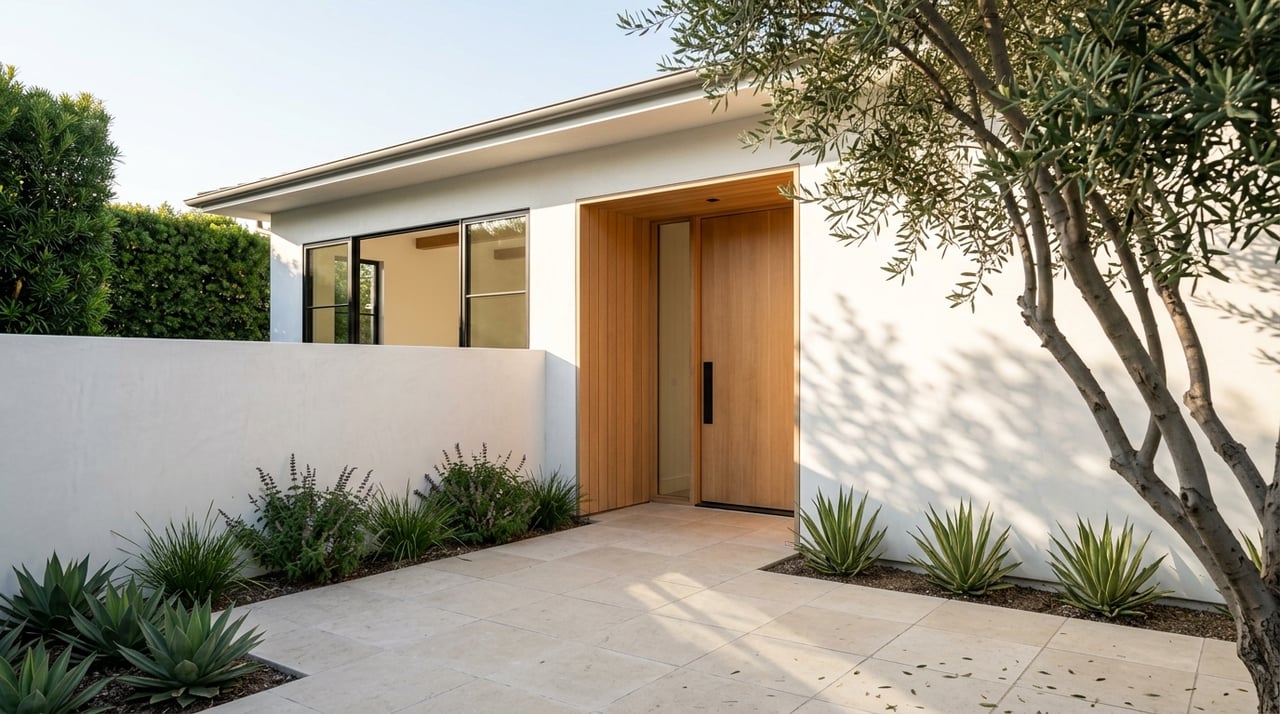
If you are choosing between Mar Vista and Venice, the price point may look surprisingly similar, but the buying experience can feel very different. For design-minded buyers, the real question is not just what you can afford, but what kind of architecture, pace, and daily environment fits the way you want to live. This guide breaks down how Mar Vista and Venice compare on housing stock, market conditions, lifestyle, and long-term considerations so you can narrow your search with more confidence. Let’s dive in.
Mar Vista vs. Venice at a Glance
In the latest Redfin snapshot, both neighborhoods sit near the $2 million median sale mark. Mar Vista’s median sale price was $1,995,000 in February 2026, while Venice came in at $1,999,000. On the surface, that makes them look like close peers.
The difference shows up in how the market behaves. Mar Vista is currently more competitive, with a median 54 days on market and a 101.4% sale-to-list ratio, while Venice shows a median 91 days on market and a 97.3% sale-to-list ratio. If you are buying in Mar Vista, you may need to move faster and write cleaner offers. In Venice, you may find more room for negotiation.
Design Character in Mar Vista
For buyers focused on architecture, Mar Vista has a very clear identity. Its standout story is the Mar Vista Tract, a 1948 Gregory Ain development described by the Los Angeles Conservancy as LA’s first designated historic district made up solely of Modern-style postwar homes. If you are looking for a coherent Mid-Century Modern setting rather than a scattered collection of one-off homes, this is a meaningful distinction.
The tract was designed around open floor plans, indoor-outdoor living, generous setbacks, and common backyards. Those features still matter today because they shape not just the look of the homes, but how they function day to day. For a buyer who values light, flow, and livability, Mar Vista offers an architectural language that feels consistent and intentional.
Mar Vista also has more depth than many buyers expect. According to the city’s historic resources survey, parts of the neighborhood include earlier Craftsman and Spanish Colonial Revival homes tied to the Ocean Park Heights era. That means your options are not limited to mid-century inventory alone.
Design Character in Venice
Venice offers a broader and more layered architectural mix. The Venice Community Plan highlights major historic resources including the Venice Canal System and the Windward Historic Arcade District, and it emphasizes preservation of low-density residential areas while supporting small businesses and artisans. For design-minded buyers, that creates a neighborhood with strong visual identity, but not a single dominant style.
The housing stock ranges from walk-street homes and bungalow courts to garden apartments and late-20th-century modern architecture. The Los Angeles Conservancy’s overview of Marco Place Court gives a good example of Venice’s layered built environment, where Spanish Colonial Revival forms and pedestrian-oriented planning still shape the experience of place. Venice feels less like one architectural idea and more like a collage.
That variety can be a real advantage if you want options. You may be drawn to a bungalow near a walk street, a modernist infill home, or a property tied to Venice’s long design evolution. The tradeoff is that the neighborhood can require a more case-by-case approach when you evaluate condition, context, and long-term fit.
Market Pace and Negotiation
If your priority is getting into a design-forward neighborhood with the strongest possible negotiating position, Venice may deserve a closer look right now. The longer median marketing time and lower sale-to-list ratio suggest buyers may have more leverage there than in Mar Vista. That does not mean every Venice listing is negotiable, but it does suggest a market with more variation.
Mar Vista, by contrast, appears tighter and more seller-favorable at the moment. Homes are closing faster and at a higher percentage of asking price. For buyers, that usually means being well prepared before the right property appears, especially if the home has strong architectural appeal.
Daily Lifestyle and Neighborhood Feel
Mar Vista and Venice also differ in how they live day to day. Mar Vista is described by the city as a more residential, lower-density community, shaped in part by a long-standing emphasis on preserving low-density single-family character. That lower-density feel is one reason many buyers experience it as calmer and more neighborhood-oriented.
The area is anchored by neighborhood-serving amenities such as the Mar Vista Branch Library, Mar Vista Farmers Market, Fire Station 62, and the Mar Vista Recreation Center. The recreation center offers sports, arts, camps, and community programs, which reinforces the sense that Mar Vista functions first as a place to live, not just a place to visit.
Venice has a much more public-facing energy. The city notes that Venice is known for beachside attractions, and the Recreation and Parks department says Venice Beach is its busiest facility, drawing roughly 28,000 to 30,000 people a day and more than 10 million visitors a year. That creates a lively, high-activity setting that many buyers love, but it also means more tourist traffic and more intensity in public spaces.
Walkability and Mobility
Both neighborhoods offer solid everyday mobility, but Venice has the edge if you want a more urban, step-out-your-door lifestyle. Redfin rates Venice at 83 for walkability, 52 for transit, and 88 for biking. Mar Vista scores 75 for walkability, 50 for transit, and 76 for biking.
In practical terms, Venice may be a better fit if you want frequent access to cafes, public activity, and the beach by foot or bike. Mar Vista still offers good usability without a car, but the experience is more residential and less destination-driven. For many buyers, that distinction matters as much as the architecture itself.
Planning and Preservation Considerations
For design-minded buyers, purchase decisions often go beyond aesthetics. They also involve understanding what may affect future changes, maintenance, or approvals. Venice has a stronger layer of planning and preservation complexity, with historic resources, coastal planning, and environmental sensitivity all playing a role.
The city’s Local Coastal Program notes that Venice’s beach area and canal system are especially sensitive to sea-level rise. Combined with historic preservation considerations in parts of the neighborhood, that means buyers should expect more due diligence when evaluating certain properties. In a place like Venice, the house and the planning context often need to be understood together.
Mar Vista has its own architectural significance, especially in the Mar Vista Tract, but it generally presents a more straightforward residential context for buyers who want design character without the same beach-interface issues. That does not remove the need for careful review, but it may simplify the decision for some buyers.
Environmental Risk to Review
Environmental exposure is worth reviewing in both neighborhoods. Redfin and First Street data show major heat exposure over the next 30 years for 99% of Mar Vista properties and 94% of Venice properties. Redfin also shows moderate flood risk in Mar Vista and minor flood risk in Venice.
At the same time, the city separately identifies Venice’s beach area and canal system as particularly vulnerable to sea-level rise. The key takeaway is simple: do not rely on a single risk metric. If you are comparing homes in either neighborhood, it helps to review property-specific disclosures and local planning context closely.
Which Neighborhood Fits You Best?
Mar Vista may be the better fit if you want a quieter residential setting, a strong Mid-Century Modern identity, and a market where the best homes move quickly. It especially appeals to buyers who value architectural coherence and want a neighborhood that feels grounded in everyday residential use.
Venice may be the better fit if you want the strongest coastal lifestyle, broader architectural variety, and a more animated public realm. It can be especially compelling if you are willing to navigate more planning complexity in exchange for beach access, walkability, and a layered design environment.
For many buyers, the best choice comes down to how you weigh three things: architectural consistency, lifestyle intensity, and negotiation leverage. Mar Vista leans toward consistency and calm. Venice leans toward variety and energy.
If you are weighing these tradeoffs and want a more strategic read on specific homes, John Iglar can help you evaluate not just the look of a property, but how the house, block, and micro-market fit together over the long term.
FAQs
What is the main market difference between Mar Vista and Venice for buyers?
- Mar Vista is currently more competitive, with faster sales and a higher sale-to-list ratio, while Venice shows longer days on market and more room for negotiation according to Redfin.
What kind of architecture can you expect in Mar Vista?
- Mar Vista is especially known for the Gregory Ain-designed Mar Vista Tract and its strong Mid-Century Modern identity, along with some older Craftsman and Spanish Colonial Revival homes in select areas.
What kind of architecture can you expect in Venice?
- Venice offers a wider architectural mix, including bungalow courts, walk-street homes, garden apartments, and modern infill, giving buyers more stylistic variety.
Which neighborhood is more walkable, Mar Vista or Venice?
- Venice scores higher for walkability and biking, making it a stronger fit if you want easier access to cafes, the beach, and public activity without relying as much on a car.
Are there planning or environmental issues to review in Venice and Mar Vista?
- Yes. Both neighborhoods show major heat exposure in Redfin and First Street data, and Venice also has added coastal and sea-level-rise considerations in some areas, so property-specific due diligence matters.
Which neighborhood is better for a quieter residential feel, Mar Vista or Venice?
- Mar Vista is generally the calmer and more residential option, while Venice has a more public, destination-oriented feel tied to its beach activity and visitor traffic.